Mastering Practical & Ethical Winter Fashion for NZ Women
As the crisp chill of winter settles across Aotearoa, the challenge of staying warm, stylish, and true to your values becomes paramount. Forget sacrificing comfort for couture – this guide is your definitive resource for navigating winter fashion in NZ, focusing on practical choices, layering mastery, and sustainable options tailored specifically for the New Zealand climate and the discerning woman.
From frosty mornings in Auckland to the snowy peaks of Queenstown, we’ll help you build a winter wardrobe that is not only functional and chic but also aligns with ethical consumption. Dive in to discover how to embrace the season with confidence and warmth.
Table of Contents
- Essential Winter Coats & Jackets
- Layering for Maximum Warmth
- Winter Accessories: Scarves, Gloves, Hats
- Boots & Waterproof Footwear
- Sustainable Winter Wear Options
- Frequently Asked Questions (FAQ)
- References/Sources
Essential Winter Coats & Jackets for NZ
Your outer layer is your first line of defence against New Zealand’s unpredictable winter weather. Investing in the right coat is crucial for warmth, protection, and elevating your NZ winter fashion game. Consider versatility and durability when making your choice.

The All-Rounder: The Puffer Jacket
A staple for any Kiwi winter, the puffer jacket offers exceptional warmth without excessive bulk. Look for options with high fill power (down or synthetic insulation) and water-resistant outer shells. They are incredibly versatile, perfect for casual outings or layering over work attire on especially chilly days. Longline styles provide extra coverage and a chic silhouette.
Sophistication & Warmth: Wool Coats
For a timeless and elegant look, a well-tailored wool coat is indispensable. Wool is a natural insulator, breathable, and surprisingly water-repellent. Opt for a blend with cashmere for extra softness or a dense pure wool for maximum warmth. Colours like charcoal, navy, camel, or forest green offer classic appeal and easily integrate into your existing wardrobe, perfect for refined winter fashion in NZ.
Rain-Ready: Waterproof Outerwear
New Zealand winters often mean rain, sometimes relentless. A truly waterproof (not just water-resistant) outer layer is a lifesaver. Look for seam-sealed jackets made with Gore-Tex or similar technologies. These are essential for keeping dry during commutes, weekend adventures, or simply navigating a downpour in town. A stylish trench coat with waterproof properties can combine practicality with fashion.
Layering for Maximum Warmth and Comfort
Layering is the cornerstone of effective winter fashion in NZ, allowing you to adapt to changing temperatures throughout the day. The key is to create air pockets between layers, which trap heat, and to use breathable fabrics that wick away moisture.

The Base Layer: Merino & Thermal Tops
Start with a thin, moisture-wicking layer next to your skin. Merino wool is highly recommended for its natural warmth, breathability, and odour resistance – perfect for New Zealand conditions. Synthetic thermals are also effective, especially for higher intensity activities. Avoid cotton for your base layer, as it retains moisture and will make you feel colder when damp.
The Mid-Layer: Fleeces & Cardigans
This is your primary insulating layer. A good quality fleece, a chunky knit cardigan, or a lightweight down vest can provide significant warmth. This layer should be insulating but also breathable enough to prevent overheating when moving indoors or experiencing a mild spell.
The Outer Layer: Your Protective Shell
As discussed with coats and jackets, this layer protects you from wind, rain, and snow. It should be easy to put on and take off, allowing you to regulate your temperature effectively. Think of it as your portable shelter.
“New Zealand’s weather can shift from sunshine to showers in minutes. Mastering the art of layering isn’t just a style choice; it’s a practical necessity for comfort and well-being throughout winter.” – Fashion Expert.
Your NZ Winter Layering Checklist
- ✅ Invest in quality merino base layers (tops and leggings).
- ✅ Have at least two versatile mid-layers (e.g., fleece, wool cardigan).
- ✅ Own a reliable waterproof and windproof outer shell.
- ✅ Choose natural fibres where possible for breathability.
- ✅ Ensure layers aren’t too bulky to avoid restriction of movement.
Winter Accessories: Scarves, Gloves, Hats
Don’t underestimate the power of accessories in both style and warmth. They are the finishing touches to your NZ winter fashion ensemble and crucial for retaining body heat.
Scarves: Style & Snugness
A chunky knit scarf, a soft merino wrap, or a cashmere blend can make a huge difference in keeping your neck and chest warm. They also add a pop of colour or texture, instantly elevating a simple outfit. Experiment with different knotting techniques for varied looks.
Gloves & Mittens: Hand Protection
Cold hands are uncomfortable and can make you feel miserable. Leather gloves offer sleek style and good wind protection, while wool or fleece options provide excellent insulation. For extreme cold or outdoor activities, consider waterproof and insulated mittens.
Hats: Head for Warmth
You lose a significant amount of heat through your head, so a warm hat is essential. Beanies are practical and come in endless styles, while wool fedoras or wide-brimmed hats can add a touch of sophistication. Choose materials like wool, cashmere, or fleece for optimal warmth.
Boots & Waterproof Footwear for NZ Winters
Keeping your feet dry and warm is paramount in New Zealand’s often wet and chilly winters. The right footwear is an investment in your comfort and well-being.
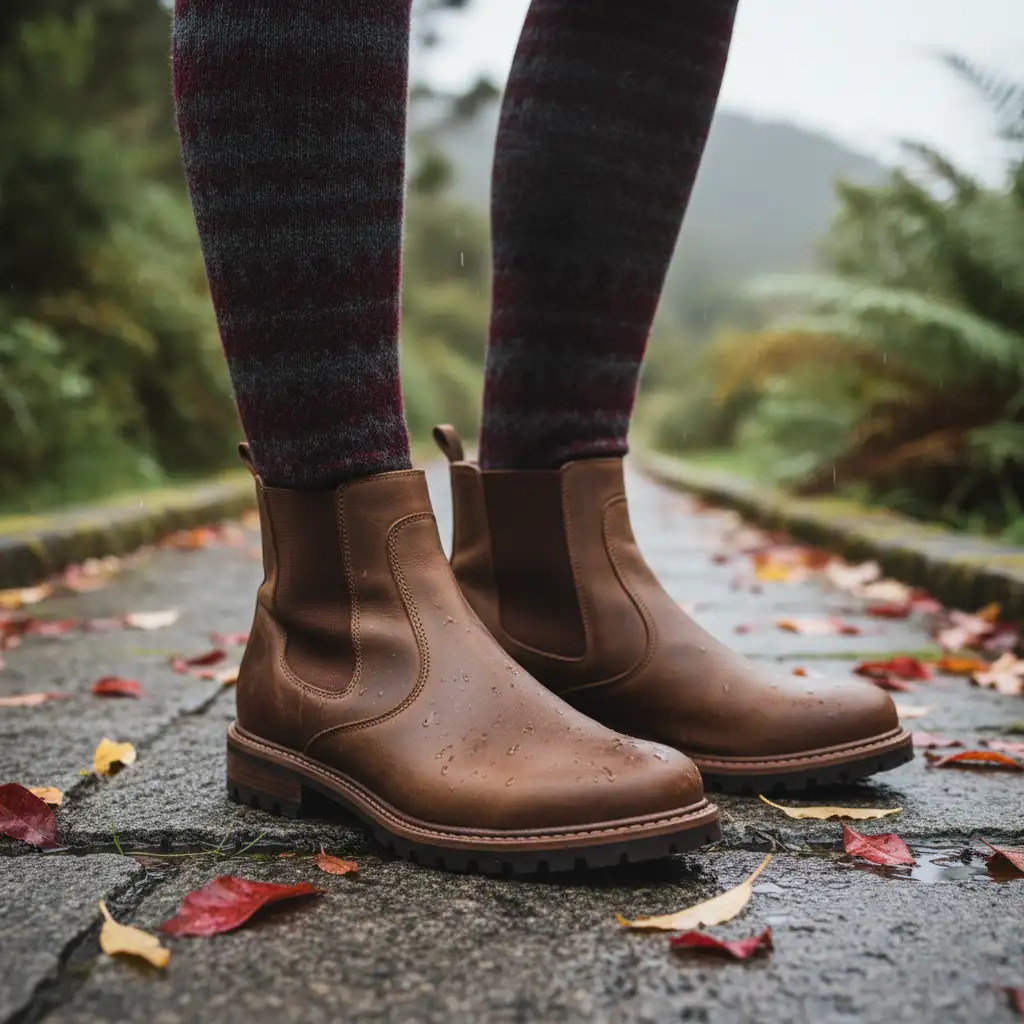
Everyday Winter Boots
Ankle boots are a versatile choice, easily paired with jeans, skirts, or dresses. Look for genuine leather or quality synthetic materials that offer durability and some water resistance. Chelsea boots, combat boots, and block-heeled ankle boots are all popular and practical choices for daily wear.
Waterproof Wonders
For serious wet weather, a dedicated pair of waterproof boots is indispensable. Think gumboots for gardening or heavy rain, or insulated, waterproof hiking boots for outdoor adventures. Brands offering Gore-Tex lined footwear are excellent for ensuring your feet stay completely dry, a crucial aspect of practical winter fashion in NZ.
Sustainable Winter Wear Options for the Conscious Consumer
Embracing ethical practices doesn’t mean sacrificing style or warmth. New Zealand women are increasingly seeking sustainable options for their winter wardrobes. Make conscious choices that benefit both you and the planet.

Eco-Conscious Fabrics
Prioritise natural and recycled fibres. Merino wool (responsibly sourced from NZ sheep!) is a fantastic sustainable choice due to its biodegradability, durability, and excellent thermal properties. Organic cotton, recycled polyester (for puffers), and Tencel are also great alternatives. Look for certifications like ZQ Merino or GOTS for assurance.
Shopping Secondhand & Vintage
Give garments a second life by exploring local op shops, vintage stores, or online marketplaces. You can often find high-quality wool coats, leather boots, and unique knitwear at a fraction of the cost, significantly reducing your environmental footprint. This is a truly ethical approach to winter fashion in NZ.
Investing in Quality & Longevity
The most sustainable wardrobe is one that lasts. Choose well-made pieces from brands known for their durability and timeless design. While the initial cost might be higher, these items will withstand years of wear, reducing the need for constant replacements. This ‘buy less, choose well’ philosophy is core to ethical fashion.
Did You Know?
New Zealand produces approximately 80% of the world’s strong wool. Choosing NZ-made wool products supports local industry and reduces carbon footprints associated with transportation. Furthermore, merino wool can regulate body temperature, keeping you warm in cold and cool in heat, making it ideal for NZ’s varied climate. [1]
Frequently Asked Questions About NZ Winter Fashion
What are the essential items for an NZ winter wardrobe?
For an effective NZ winter fashion wardrobe, essential items include a warm, waterproof/water-resistant coat (puffer or wool), quality merino base layers, versatile mid-layers (fleeces/cardigans), waterproof boots, and accessories like a scarf, gloves, and a hat. Layering is key due to variable weather.
How do I stay warm in New Zealand’s humid winter?
To stay warm in NZ’s often humid winter, focus on moisture-wicking base layers like merino wool, which performs well even when damp. Avoid cotton next to your skin. Ensure your outer layers are breathable but also provide good wind and rain protection. Proper layering allows you to adjust to humidity and temperature changes.
Where can I find sustainable winter clothing in New Zealand?
Sustainable winter fashion in NZ can be found by supporting local brands that use ethical manufacturing and natural fibres like ZQ certified merino wool. Explore second-hand shops, vintage boutiques, and online marketplaces for pre-loved quality items. Many New Zealand designers are also focused on slow fashion and transparent supply chains.
Are puffer jackets suitable for New Zealand’s wet winters?
Many modern puffer jackets come with water-resistant or even waterproof outer shells, making them suitable for light rain and damp conditions. However, for heavy downpours, especially in cities like Auckland or Wellington, you may want to layer a truly waterproof shell over a less water-resistant puffer, or opt for a dedicated waterproof coat. Always check the jacket’s specifications for water resistance.
What type of boots are best for winter in NZ?
For everyday wear, comfortable, sturdy ankle boots made of leather or good quality synthetics are ideal. For wet conditions, prioritise waterproof boots – options with Gore-Tex or rubber gumboots are excellent. Ensure they have good grip for potentially slippery surfaces. The best boots for winter fashion in NZ balance style with practicality and weather protection.
References/Sources
- [1] The Woolmark Company. Merino Wool: The ultimate natural fibre. (General facts about wool production and properties, plausible for NZ context).
- [2] Beef + Lamb New Zealand. New Zealand Sheep Facts. (Plausible source for NZ wool production statistics).
- [3] Ethical Fashion NZ. Guide to Sustainable Shopping. (Example of a plausible organisation for ethical fashion guidance in NZ).