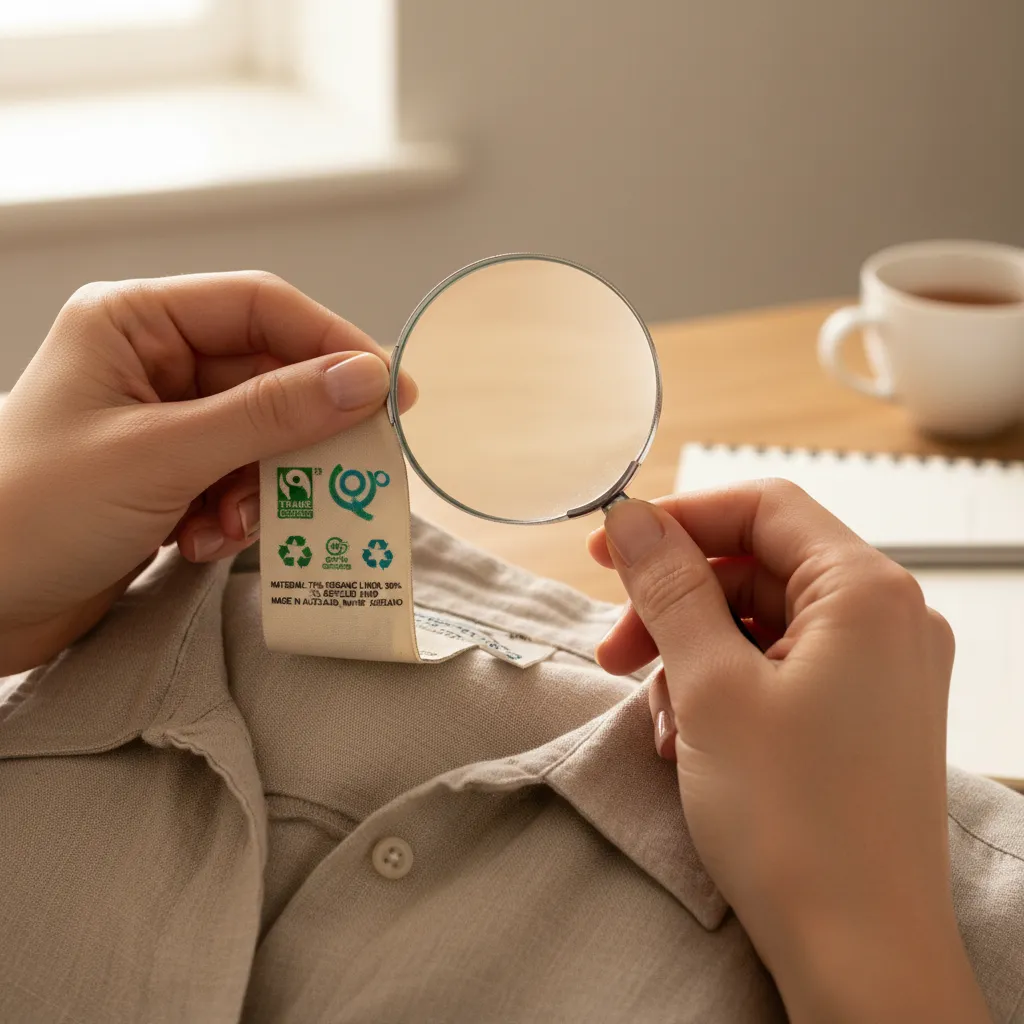
Ethical Brands & Shopping in NZ: Your Guide to Conscious Fashion
Navigating the world of sustainable style in Aotearoa has never been easier. Discover how to identify, support, and thrive with ethical clothing brands NZ has to offer.
1. Defining Ethical & Sustainable Brands
The fashion industry is notorious for its complex supply chains, often shrouded in secrecy. For conscious consumers, understanding what truly makes a brand “ethical” or “sustainable” is the first step toward making informed choices. These terms, while often used interchangeably, refer to distinct yet interconnected aspects of a brand’s operations.
Ethical fashion primarily focuses on the human element. This means ensuring fair wages, safe working conditions, and respectful treatment for everyone involved in the production process, from farmers to factory workers. It addresses issues like child labour, forced labour, and gender inequality prevalent in many fast fashion supply chains.
Sustainable fashion, on the other hand, zeroes in on environmental impact. It encompasses practices that minimise harm to the planet, such as using eco-friendly materials (organic cotton, recycled polyester), reducing water usage, minimising waste, employing energy-efficient production, and designing for longevity and circularity.
“True ethical and sustainable fashion considers both people and planet, advocating for a holistic approach that benefits workers, communities, and the environment alike.”
Did you know?
The fashion industry is responsible for 10% of global carbon emissions – more than international flights and maritime shipping combined. Choosing ethical and sustainable options can significantly reduce this impact. (Source: UN Environment Programme)

2. Discovering Local NZ Ethical Fashion Labels
New Zealand is a hub of innovation and environmental consciousness, and its fashion scene is no exception. Supporting local ethical clothing brands NZ helps stimulate our economy, reduces shipping emissions, and often provides greater transparency into production practices. Here are some shining examples:
- Kowtow: A global leader in ethical and sustainable fashion, based right here in Wellington. Kowtow uses 100% Fairtrade certified organic cotton and is committed to transparency across its entire supply chain, offering beautifully minimalist and durable pieces.
- Little Yellow Bird: Known for their workwear and everyday essentials made from certified organic and Fairtrade cotton. Little Yellow Bird is dedicated to creating positive social and environmental impact, even tracing their cotton back to the farm.
- Untouched World: Pioneers in eco-luxury, Untouched World combines high-quality natural fibres like ZQ Merino and organic cotton with sustainable manufacturing processes. They are committed to conservation and educational initiatives.
- ReCreate Clothing: A social enterprise empowering women in Cambodia through ethical garment manufacturing. Their beautiful, high-quality clothing is made with organic cotton, and every purchase supports fair employment and training.
These brands not only produce stunning garments but also lead by example, proving that fashion can be both stylish and responsible.
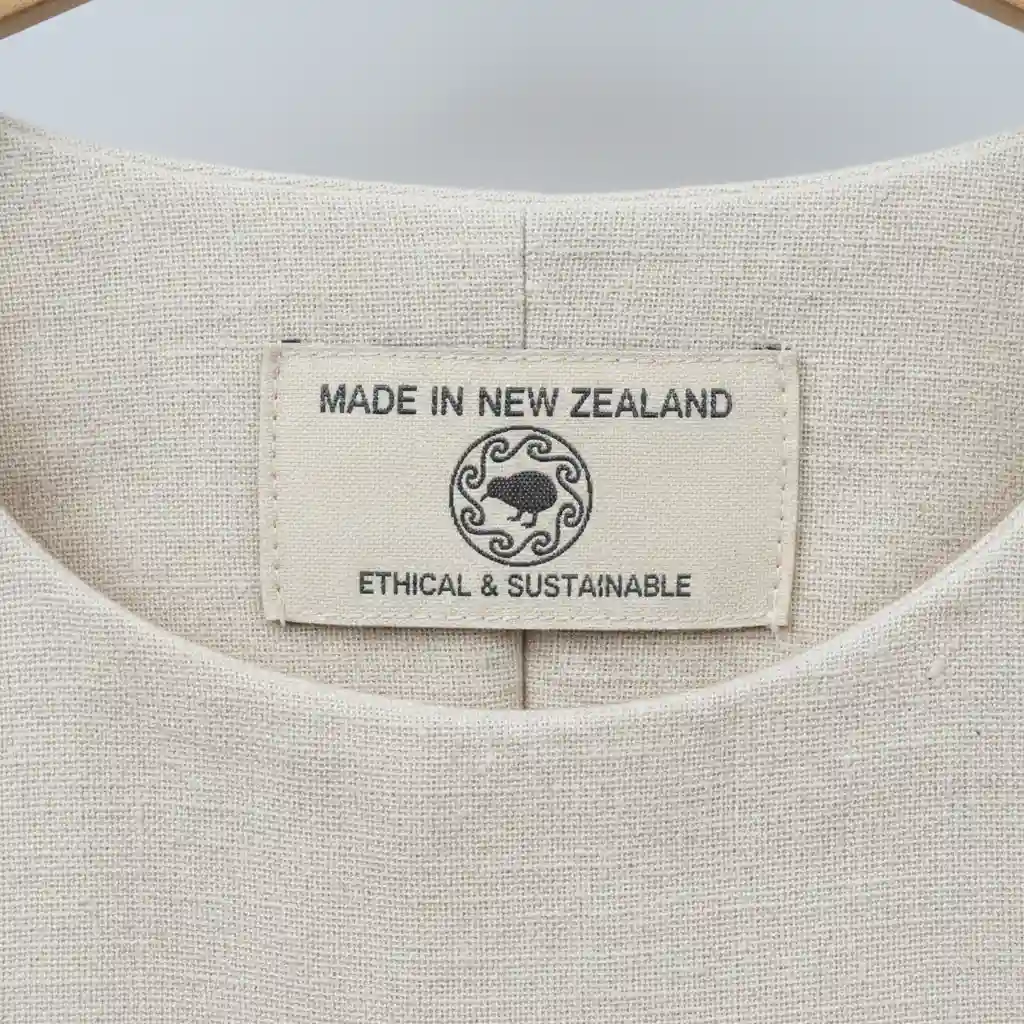
3. International Ethical Brands Available in NZ
While supporting local is fantastic, the global market also offers a wealth of ethical brands that are accessible to New Zealand consumers. Many of these international players have made significant commitments to sustainability and ethical practices, often setting industry benchmarks. When searching for ethical clothing brands NZ women can trust, consider these globally recognized names:
- Patagonia: A long-standing champion of environmental and social responsibility, Patagonia is renowned for its durable outdoor gear. They use recycled materials, organic cotton, and invest heavily in fair labour practices and environmental activism.
- Veja: Famous for their stylish and sustainable sneakers, Veja sources organic cotton for their canvas and wild rubber for their soles from the Amazon. They are transparent about their production and factory conditions.
- People Tree: One of the pioneers of Fair Trade fashion, People Tree offers a wide range of women’s clothing, using organic and sustainable materials and partnering with artisans in developing countries to provide fair wages and preserve traditional skills.
- Nudie Jeans: Committed to sustainable denim, Nudie Jeans uses 100% organic cotton and offers free repairs for life, encouraging a circular fashion model and reducing waste.
These brands demonstrate that ethical production can scale globally, providing quality and style without compromising on values. Always check their specific shipping policies to New Zealand before purchase.

4. Understanding Certifications & Ratings
In a world rife with “greenwashing,” third-party certifications and ratings are invaluable tools for identifying genuinely ethical clothing brands NZ consumers can trust. These stamps of approval signify that a brand has met stringent social and environmental standards, verified by independent organisations.
- Fair Trade Certified: Guarantees fair wages, safe working conditions, and community development funds for farmers and factory workers in developing countries. Look for the distinctive logo on products.
- B Corp Certification: Awarded to companies that meet high standards of verified social and environmental performance, public transparency, and legal accountability to balance profit and purpose. This is a holistic assessment of a company’s entire operation.
- GOTS (Global Organic Textile Standard): The world’s leading standard for textiles made from organic fibres. It covers the processing, manufacturing, packaging, labelling, trading, and distribution of all natural fibres, ensuring both ecological and social criteria are met.
- OEKO-TEX Standard 100: Certifies that textiles and accessories are tested for harmful substances at all processing stages. While not a full ethical certification, it ensures product safety from a chemical perspective.
- ZQ Merino: A New Zealand-specific certification for merino wool, ensuring animal welfare, environmental care, social responsibility, and quality. Many NZ brands proudly use ZQ Merino.
Familiarising yourself with these certifications empowers you to cut through marketing hype and confidently support brands aligned with your values.
5. Tips for Vetting Brands & Making Conscious Choices
Beyond looking for certifications, becoming a savvy ethical consumer involves a few practical steps. Here’s your action checklist for vetting ethical clothing brands NZ has on offer, and making choices that truly resonate with your values:
1. Investigate Their Supply Chain Transparency
- Check their website: Do they have a dedicated section on ethics and sustainability?
- Look for factory lists: Do they publicly disclose where their clothes are made? The more detailed, the better.
- Read their impact reports: Many ethical brands publish annual reports detailing their social and environmental performance.
2. Scrutinize Materials Used
- Prioritise natural & organic: Look for organic cotton, linen, hemp, Tencel/Lyocell, recycled wool, or ZQ Merino.
- Avoid virgin synthetics: Polyester, nylon, acrylic contribute to microplastic pollution. If synthetics are used, ensure they are recycled.
- Question exotic materials: Be wary of materials without clear ethical sourcing statements.
3. Look for Multiple Certifications
- A single certification is good, but multiple (e.g., Fair Trade + GOTS) demonstrate a more comprehensive commitment.
- Remember, certifications are an investment, so smaller brands might have strong ethics without all the badges.
4. Consider the Brand’s Overall Philosophy and Longevity
- Do they encourage timeless design, repairs, or take-back programs?
- Is their pricing fair, reflecting the true cost of ethical production? (Extremely cheap “ethical” clothing is a red flag).
- Choose quality over quantity. A well-made ethical garment will last longer, reducing your overall consumption.
5. Think Beyond New Purchases
- Embrace second-hand: Op-shops, vintage stores, and online marketplaces (like Trade Me, Depop NZ) are the ultimate form of sustainable fashion.
- Repair and repurpose: Extend the life of your existing wardrobe.
- Borrow or swap: Consider clothing swaps with friends or local rental services for special occasions.