Eco-Friendly Home NZ
Discover how to create an eco friendly home in NZ with practical tips on energy saving, non-toxic cleaning, sustainable products, and DIY projects for a greener lifestyle.
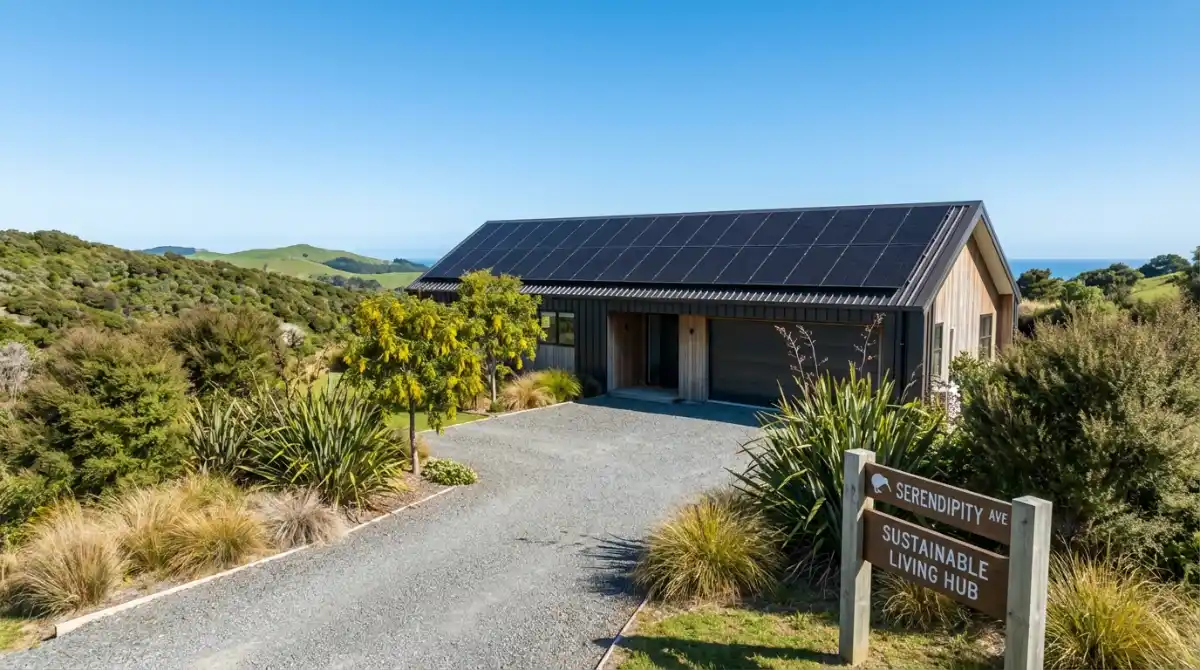
serendipityave.co.nz
What You Will Learn
Discover how to create an eco friendly home in NZ with practical tips on energy saving, non-toxic cleaning, sustainable products, and DIY projects for a greener lifestyle.
Imagine a home that not only provides comfort and sanctuary but also actively contributes to the well-being of our planet. For New Zealanders, embracing an eco friendly home NZ is more than just a trend; it’s a practical, accessible, and deeply rewarding way to live. From conserving our precious natural resources to reducing our carbon footprint, making sustainable choices in your living space can have a profound impact. This comprehensive guide, brought to you by Serendipity Ave, empowers you with actionable insights and inspiration to transform your home into an environmentally conscious haven, all while reflecting functional style and an appreciation for indigenous culture.
Join us as we explore how small, mindful changes can lead to a significant difference, creating a healthier environment for you, your whānau, and Aotearoa.
Table of Contents
- Energy Saving Tips for Kiwi Homes
- Non-Toxic Cleaning Solutions
- Sustainable Home Products Guide
- DIY Eco-Home Projects
- Frequently Asked Questions (FAQ)
Energy Saving Tips for Kiwi Homes
Reducing energy consumption is perhaps the most immediate and impactful step towards an eco friendly home NZ. New Zealand’s unique climate and housing stock present specific challenges and opportunities for energy efficiency.
1. Optimise Insulation and Glazing
- Insulation: Ensure your ceiling, walls, and underfloor are adequately insulated. Many older Kiwi homes lack proper insulation, leading to significant heat loss. Upgrading can save you hundreds annually.
- Double Glazing: If possible, invest in double-glazed windows. They dramatically improve thermal performance, keeping your home warmer in winter and cooler in summer.
2. Smart Heating and Cooling
- Efficient Heating: Choose energy-efficient heat pumps or wood burners (if appropriate for your area and used responsibly). Use timers and thermostats to heat only when and where needed.
- Passive Design: Harness natural light and warmth. Open curtains on sunny winter days and close them at dusk to trap heat. Use shading devices in summer to prevent overheating.
3. LED Lighting and Appliance Choices
- Switch to LED: Replace all incandescent and fluorescent bulbs with LEDs. They use up to 85% less energy and last much longer.
- Energy Star Appliances: When purchasing new appliances, always look for the Energy Star rating. This indicates superior energy efficiency, saving you money and reducing your environmental impact over the appliance’s lifetime.
Stat Callout: According to Energywise, an average Kiwi household could save up to NZD 500 a year by making simple energy efficiency changes.
Non-Toxic Cleaning Solutions
The products we use to clean our homes can contain harsh chemicals harmful to our health and waterways. Adopting non-toxic cleaning is a cornerstone of an eco friendly home NZ.
Essential DIY Cleaning Kit:
You’ll be amazed at what a few basic ingredients can achieve:
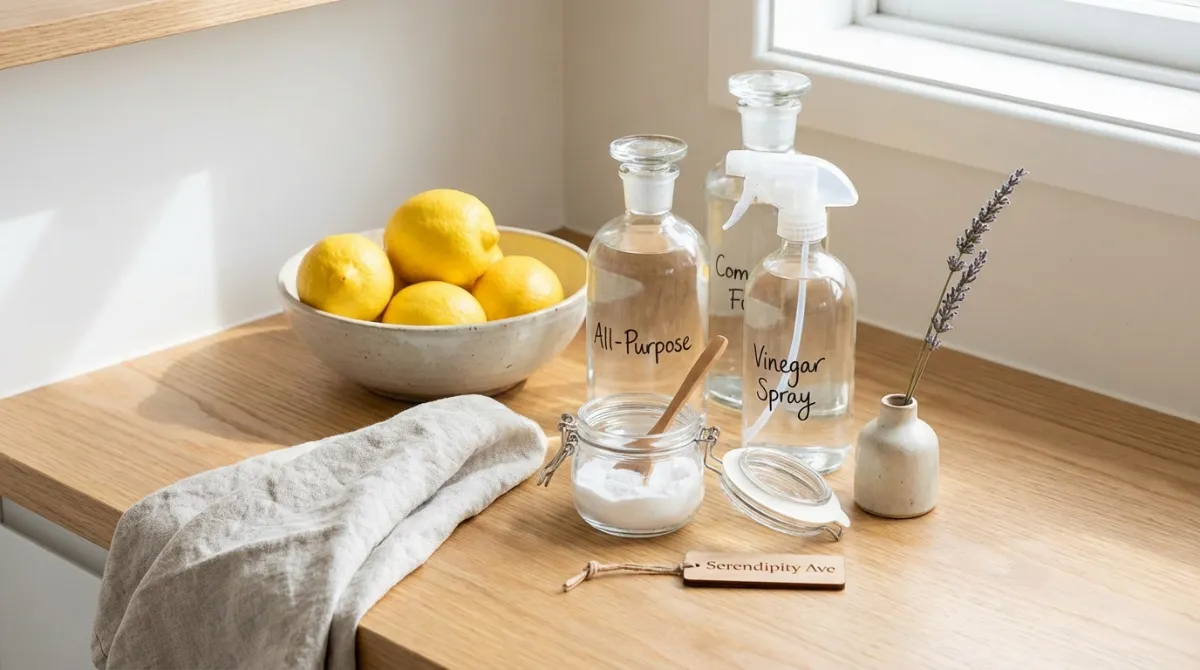
- White Vinegar: An excellent disinfectant and degreaser. Mix with water for an all-purpose cleaner, or use neat for limescale.
- Baking Soda: A mild abrasive, deodoriser, and whitener. Great for scrubbing sinks, baths, and absorbing odours.
- Lemon Juice: Natural bleaching agent and fresh scent.
- Castile Soap: A versatile plant-based soap for dishwashing, laundry, and general cleaning.
- Essential Oils: (e.g., Tea Tree, Lavender) for natural fragrance and antibacterial properties.
Simple Recipes for a Spotless Home:
- All-Purpose Cleaner: Combine 1 part white vinegar, 1 part water, and a few drops of your favourite essential oil in a spray bottle.
- Glass Cleaner: Mix 1/2 cup white vinegar, 1/2 cup water, and 1/4 teaspoon cornstarch (prevents streaks).
- Toilet Bowl Cleaner: Sprinkle baking soda into the bowl, let it sit for 30 minutes, then scrub with vinegar and flush.
Sustainable Home Products Guide
Beyond energy and cleaning, the products we choose for our homes significantly impact our environmental footprint. Curating a home with sustainable products is integral to an eco friendly home NZ.
Conscious Choices for Every Room:
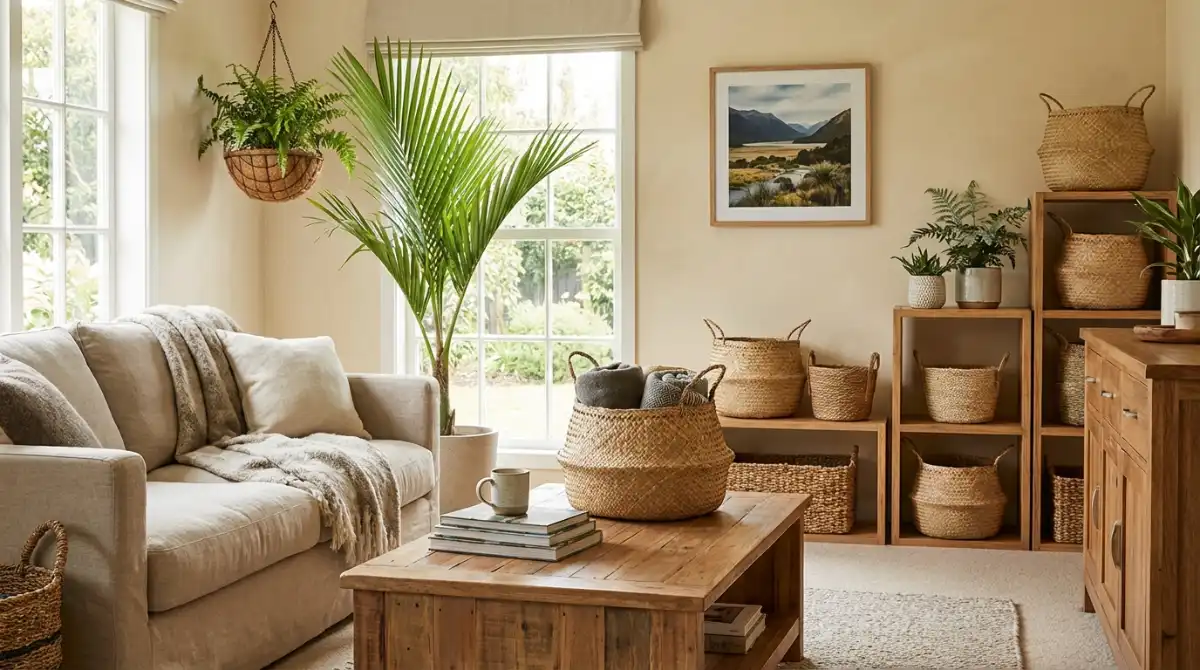
- Furniture: Look for pieces made from sustainably harvested timber (FSC certified), recycled materials, or reclaimed wood. Support local artisans who use traditional techniques and natural finishes. Consider buying second-hand or upcycling existing furniture.
- Textiles: Opt for organic cotton, hemp, linen, or wool. These natural fibres are breathable, durable, and biodegradable. Support New Zealand brands using ZQ Merino wool, known for its ethical and sustainable practices.
- Kitchenware: Choose durable, non-plastic alternatives like glass, stainless steel, bamboo, and ceramic. Avoid single-use plastics wherever possible.
- Decor: Embrace items made from natural, renewable resources. Incorporate elements of Māori design and craftsmanship, supporting indigenous artists and celebrating Aotearoa’s unique culture.
Action Checklist: Before buying, ask: Is it durable? Is it repairable? Is it made from recycled/sustainable materials? Can I find it locally? Is it ethically produced?
DIY Eco-Home Projects
Transforming your home doesn’t always require significant investment. Many simple, engaging DIY projects can enhance your eco friendly home NZ credentials and connect you more deeply with your living space.
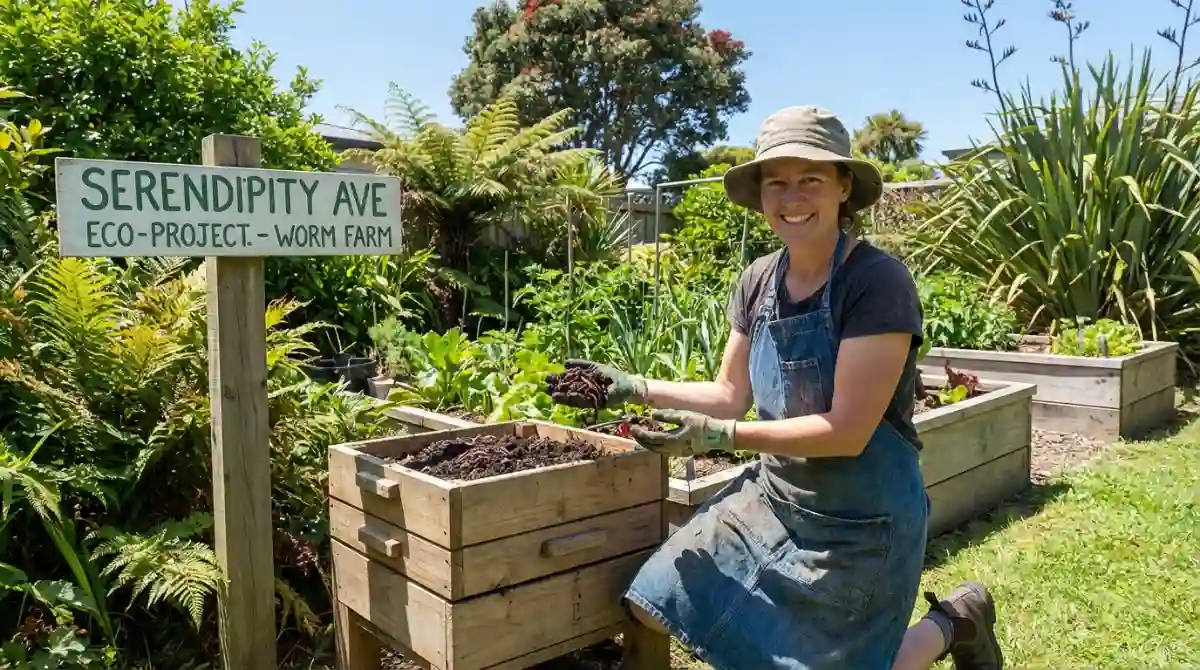
1. Start a Composting or Worm Farm System
Diverting food scraps from landfill is one of the easiest ways to reduce your environmental impact. Compost creates nutrient-rich soil for your garden, and worm farms produce ‘liquid gold’ fertiliser.
- Choose Your System: Decide between a traditional compost bin, a Bokashi system, or a worm farm based on your space and needs.
- Collect Scraps: Keep a small container in your kitchen for fruit and vegetable peels, coffee grounds, tea bags, and other organic waste.
- Maintain: Follow guidelines for your chosen system – layering greens/browns for compost, or feeding worms appropriately.
2. Build a Rainwater Harvesting System
Collecting rainwater for garden irrigation or non-potable uses significantly reduces your reliance on treated municipal water.
- Identify Location: Choose a downpipe that can be easily diverted to a rain barrel or larger tank.
- Install Diverter: Fit a diverter to your downpipe to channel water into your collection vessel.
- Connect to Spigot: Ensure your barrel has a spigot for easy access to the collected water.
3. Create a Vertical Herb Garden
Even with limited space, you can grow your own herbs, reducing packaging waste and providing fresh flavour.
- Choose a Structure: Repurpose pallets, build a simple tiered shelf, or use hanging planters.
- Select Herbs: Opt for easy-to-grow herbs suited to your climate like mint, rosemary, thyme, or basil.
- Plant and Nurture: Use organic potting mix and give your herbs adequate sunlight and water.
Embracing an eco friendly home NZ journey is about making conscious choices that align with our values of kaitiakitanga – guardianship of the land. By integrating these practices, you’re not just creating a healthier home; you’re contributing to a more sustainable and vibrant Aotearoa for generations to come. Every step, no matter how small, helps build a greener future.
Frequently Asked Questions (FAQ)
- Q: Is it expensive to make my home eco-friendly in NZ? A: Not necessarily. While some upgrades like solar panels can be a significant investment, many changes, such as switching to LED lights, making your own cleaners, or improving insulation, are cost-effective and offer long-term savings. Focusing on DIY projects and mindful consumption can also be very budget-friendly.
- Q: How can I reduce my household waste in New Zealand? A: Start with the 5 Rs: Refuse (unnecessary items), Reduce (consumption), Reuse (items), Repurpose (give new life), and Recycle (responsibly). Composting food scraps, using reusable bags and containers, and buying in bulk are great steps for an eco friendly home NZ.
- Q: What are some good sustainable building materials available in NZ? A: New Zealand offers fantastic sustainable options like sustainably harvested timber (e.g., FSC certified pine), sheep wool insulation, hempcrete, straw bale, recycled aggregates, and locally sourced natural stone.
- Q: How do I choose truly eco-friendly products in NZ stores? A: Look for certifications like ‘Environmental Choice New Zealand’, ‘Fairtrade’, ‘Organic’, and ‘FSC’. Research brands to understand their sustainability practices, sourcing, and ethical commitments. Prioritise local products to reduce transport emissions.
- Q: Can an older NZ home truly be eco-friendly? A: Absolutely! While newer homes might be designed with sustainability in mind from the outset, older homes often have great bones and character. Improving insulation, sealing drafts, upgrading appliances, and adopting eco-friendly habits can significantly enhance their environmental performance, making them just as, if not more, eco-friendly than some new builds.
References & Sources
- Energywise NZ. (n.d.). Saving energy at home. Retrieved from energywise.govt.nz/at-home/
- Ministry for the Environment. (n.d.). Waste and recycling. Retrieved from environment.govt.nz/what-we-do/toolkits/waste-and-recycling/
- Eco Choice Aotearoa. (n.d.). About our ecolabel. Retrieved from ecolabel.org.nz/
- BRANZ. (n.d.). Sustainable building materials. Retrieved from branz.co.nz/