Fair Trade Fashion NZ: Dress with Purpose & Impact
As New Zealand women, we’re increasingly aware that our choices ripple far beyond our wardrobes. The journey of our clothing – from fibre to finished garment – carries a story. But what if that story could be one of empowerment, fairness, and positive change? Welcome to the world of fair trade fashion NZ, where style meets ethics, creating a powerful impact both locally and globally.
In this comprehensive guide, we’ll dive deep into what fair trade means for your clothing, its profound impact on workers and communities, how to spot authentic certifications, and introduce you to fantastic fair trade clothing brands available right here in New Zealand. Get ready to transform your approach to fashion, making every purchase a statement of your values.
Table of Contents
What is Fair Trade in Fashion?
Fair trade is more than just a label; it’s a global movement built on partnership, transparency, and respect. In the fashion industry, it ensures that every person involved in the production chain – from the cotton farmer to the seamstress – receives fair wages, works in safe conditions, and has a voice.
It’s a stark contrast to conventional fast fashion, which often relies on exploitative labour practices and environmental degradation. Fair trade actively combats issues like child labour, forced labour, and gender inequality, aiming to create sustainable livelihoods and empower marginalised communities.

Key Principles of Fair Trade Fashion
- Fair Wages: Workers are paid a living wage, sufficient to meet their basic needs and provide for their families.
- Safe Working Conditions: Factories and workshops adhere to strict health and safety standards, free from hazardous environments.
- No Discrimination: Equal opportunities for all, regardless of gender, race, or background.
- No Child Labour or Forced Labour: Strict adherence to international labour laws.
- Environmental Protection: Encouragement of sustainable farming and production methods, reducing environmental impact.
- Community Development: Fair trade premiums often reinvested into community projects like education, healthcare, and infrastructure.
“Choosing fair trade fashion in NZ isn’t just about buying a garment; it’s about investing in human dignity and a healthier planet. It’s a mindful choice for the conscious consumer.”
The Impact of Fair Trade on Workers & Communities
The positive ripple effect of fair trade fashion extends far beyond individual workers. It transforms entire communities, offering opportunities and stability where previously there was vulnerability.
Stat Callout: Real World Impact
73% Increase in Income:
Artisans in fair trade cooperatives often report significant increases in their disposable income, directly impacting their quality of life.
90% Access to Healthcare:
Fair trade organisations frequently provide access to healthcare services for workers and their families, a luxury often unavailable in conventional garment factories.
Over 1 Million Women Empowered:
Globally, fair trade initiatives disproportionately empower women, providing them with economic independence and leadership opportunities.
- Economic Stability: Fair wages and long-term purchasing relationships provide financial security, allowing workers to plan for the future, save, and invest in their families’ education and health.
- Empowerment & Agency: Workers in fair trade settings often have a say in decision-making processes, fostering a sense of ownership and dignity. This is particularly vital for women, who make up a large percentage of garment workers globally.
- Environmental Stewardship: Many fair trade producers adopt organic farming practices, use natural dyes, and minimise waste, contributing to healthier ecosystems and safer working environments.
- Improved Social Conditions: Fair trade premiums are frequently invested in social projects, such as building schools, providing clean water, or establishing medical clinics, uplifting the entire community.
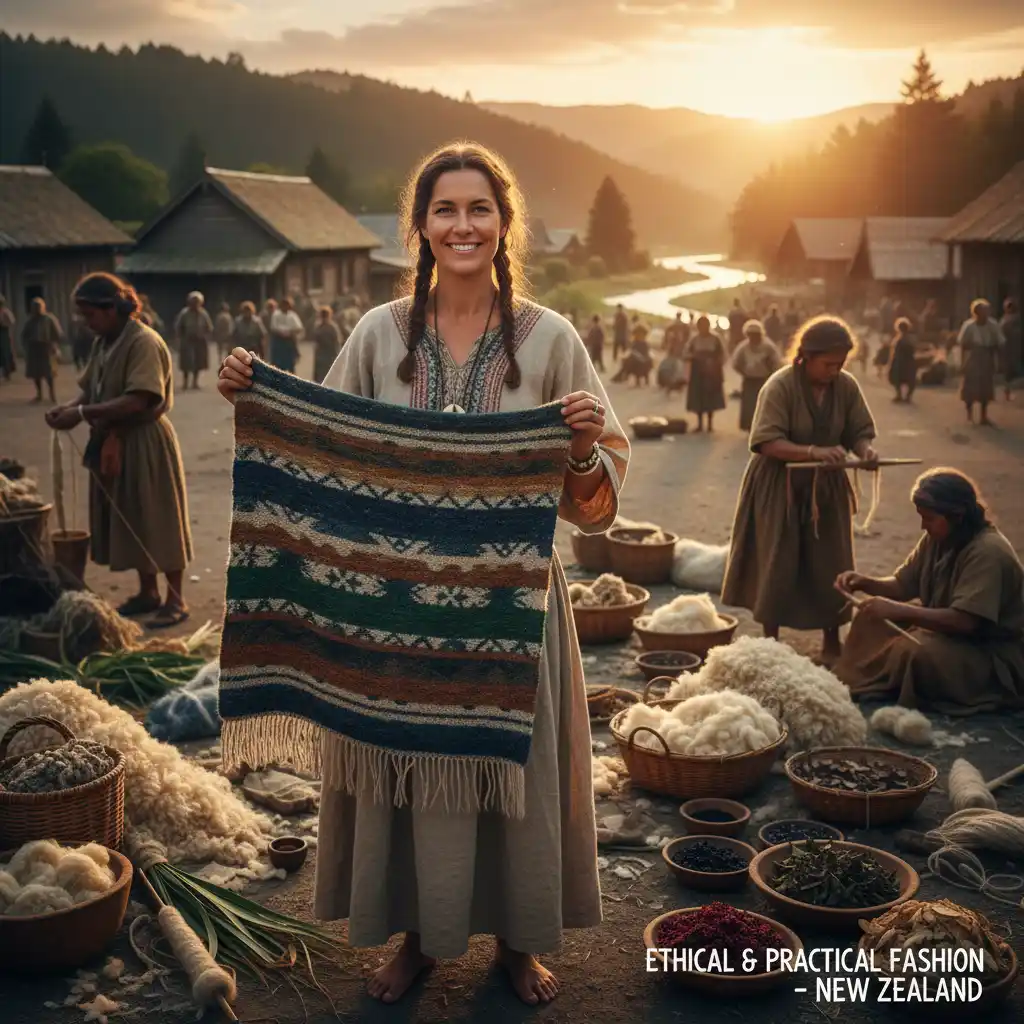
For New Zealand women seeking ethical fashion, understanding this profound impact helps solidify the value of every fair trade purchase. It’s not just a garment; it’s a contribution to global well-being.
Recognizing Fair Trade Certifications
Navigating the ethical fashion landscape can sometimes feel complex. Fortunately, trusted certifications exist to help you identify genuine fair trade products. Look for these labels when shopping for fair trade fashion in NZ:
- Fairtrade International (FLO): One of the most widely recognised certifications, primarily focusing on raw materials like cotton. It ensures fair prices and social premiums for farmers.
- World Fair Trade Organization (WFTO) Guaranteed Fair Trade: This label certifies entire organisations (enterprises, not just products) that operate 100% on fair trade principles, covering everything from governance to environmental practices.
- GOTS (Global Organic Textile Standard): While primarily focusing on organic materials, GOTS also includes strict social criteria based on key norms of the International Labour Organization, ensuring fair working conditions throughout the supply chain.
- B Corp Certification: Though not exclusively fair trade, B Corps are certified businesses that meet high standards of verified social and environmental performance, transparency, and accountability. Many ethical fashion brands in NZ are B Corps.
Always check the brand’s website for transparency reports and details about their supply chain. Reputable fair trade brands will be open about their practices and proud to share their impact stories.
Fair Trade Clothing Brands Available in NZ
The good news for conscious shoppers in New Zealand is that access to beautiful, high-quality fair trade fashion is growing. Whether you’re looking for everyday wear, activewear, or something special, you have options. Here are some brands to explore:

Leading the Way in Fair Trade Fashion in NZ:
- AS Colour: A popular choice for basics, AS Colour offers a range of GOTS certified organic cotton garments, ensuring fair labour practices and sustainable production. You can find them widely across NZ.
- Etiko: While an Australian brand, Etiko has a strong presence and following in NZ, offering Fairtrade certified organic cotton clothing, footwear, and activewear for men, women, and children.
- Kowtow: A New Zealand-based brand entirely dedicated to fair trade and sustainable practices. Kowtow uses 100% certified organic cotton and is recognised for its minimalist designs and ethical supply chain from seed to garment.
- LILYA (via ethical boutiques): Many ethical fashion boutiques in NZ stock brands like LILYA, which, while not exclusively fair trade certified, are known for their transparency, ethical manufacturing, and use of natural fibres in small-batch production.
- Commonsense Organics: While primarily a food retailer, their online and physical stores often carry a selection of fair trade and organic cotton clothing and accessories from various ethical suppliers.
Beyond these examples, many local boutiques and online stores specialise in curating ethical and fair trade brands. A quick search for ‘ethical fashion NZ’ or ‘sustainable clothing New Zealand’ will reveal a wealth of options.
How to Be a Conscious Consumer
Embracing fair trade fashion isn’t just about what you buy; it’s about shifting your entire mindset towards consumption. Here’s an action checklist to help you become a more impactful and conscious consumer:
Action Checklist: Your Guide to Ethical Wardrobe Choices
-
✓
Research Before You Buy: Spend a few minutes on a brand’s ‘About Us’ or ‘Sustainability’ page. Look for details on their supply chain, certifications, and worker welfare.
-
✓
Prioritise Quality Over Quantity: Invest in well-made, durable pieces that will last. This reduces the need for frequent purchases and minimises waste.
-
✓
Embrace Second-Hand & Vintage: Give pre-loved garments a new life. Op shops, vintage stores, and online marketplaces are treasure troves for unique and sustainable finds.
-
✓
Repair & Repurpose: Learn basic mending skills or find a local tailor. Extending the life of your clothes is one of the most sustainable actions you can take.
-
✓
Support Local & Independent: Many small NZ designers and makers prioritise ethical production and local sourcing. Seek them out at markets or online.
-
✓
Ask Questions: Don’t be afraid to ask brands or retailers about their ethical practices. Your inquiries signal consumer demand for transparency.
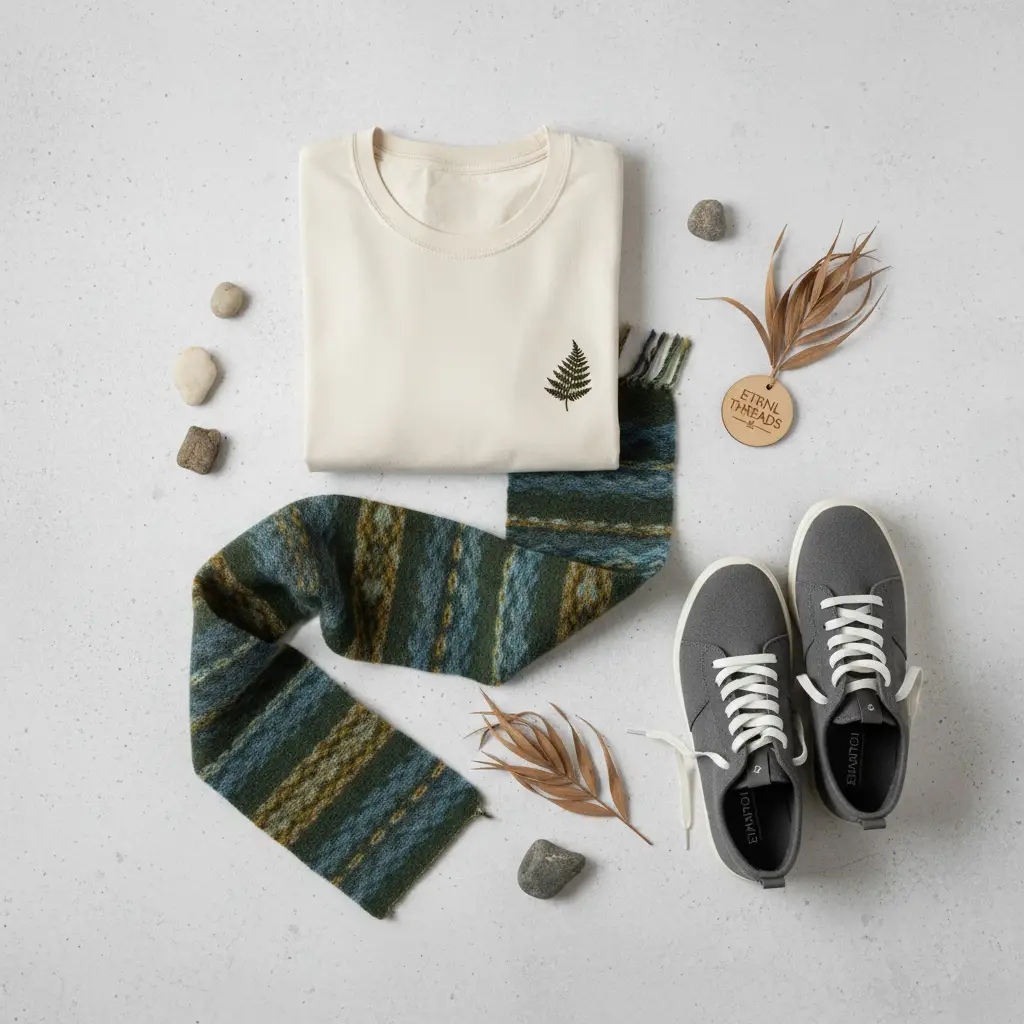
Every small choice contributes to a larger movement. By actively seeking out fair trade fashion NZ options and adopting conscious consumption habits, you become an agent of positive change, ensuring a better future for people and the planet.
Conclusion: Your Wardrobe, Your Values
The world of fashion is transforming, and New Zealand women are at the forefront of demanding more ethical and sustainable options. Embracing fair trade fashion isn’t just a trend; it’s a powerful statement of your commitment to justice, dignity, and environmental responsibility.
From understanding the core principles of fair trade to recognising vital certifications and discovering brands available in NZ, you now have the knowledge to make informed decisions. Let your wardrobe reflect your values, one beautiful, ethically made garment at a time. Together, we can shape a fairer fashion future.
Frequently Asked Questions about Fair Trade Fashion in NZ
Q: Is fair trade fashion more expensive?
A: While fair trade fashion can sometimes have a higher initial price point than fast fashion, it reflects the true cost of production, including fair wages, safe conditions, and sustainable practices. When considered for its quality, durability, and positive impact, it often represents better long-term value and aligns with conscious consumerism principles.
Q: How can I verify if a brand is truly fair trade in New Zealand?
A: Look for official certifications like Fairtrade International, WFTO, or GOTS on their labels or websites. Reputable brands will be transparent about their supply chain and often have dedicated ‘About Us’ or ‘Sustainability’ sections detailing their ethical commitments and impact. Don’t hesitate to contact the brand directly with questions.
Q: Are there any local NZ brands that are fully fair trade?
A: Yes! Brands like Kowtow are a prime example of a New Zealand brand committed to 100% fair trade and organic cotton throughout their entire supply chain. Many other local boutiques also stock ethically sourced and fair trade brands.
Q: Does fair trade fashion also mean sustainable fashion?
A: Often, yes. Fair trade principles inherently promote sustainability by encouraging environmentally friendly production methods, reducing chemical use, and valuing natural resources. While not all sustainable fashion is fair trade and vice-versa, there is significant overlap and many brands combine both aspects.
Q: What’s the best way to start my fair trade wardrobe in NZ?
A: Start small! Begin by replacing basics like t-shirts or underwear with fair trade certified options. Explore ethical fashion online stores or visit local boutiques known for carrying conscious brands. Consider quality over quantity and embrace second-hand options too!
References & Sources
- Fairtrade International. (n.d.). Fairtrade.net
- World Fair Trade Organization. (n.d.). WFTO.com
- Global Organic Textile Standard. (n.d.). Global-Standard.org
- B Lab. (n.d.). BCorporation.net
- Fashion Revolution. (n.d.). FashionRevolution.org
- Ethical Fashion Guide (Baptist World Aid Australia). (Plausible reference for impact statistics, updated annually).
- The True Cost (Documentary film, 2015). (Plausible reference for fast fashion impact).