Ethical Fashion Brands NZ

What You Will Learn
Explore a comprehensive guide to New Zealand’s leading ethical fashion brands. Discover sustainable practices, transparent supply chains, eco-friendly fabrics, and key certifications to make conscious style choices and support local designers in NZ.
Ethical Fashion Brands NZ
What You Will Learn
Discover the best ethical fashion NZ brands committed to sustainability and transparency. Our guide helps you shop consciously and support local, eco-friendly designers.
Ethical Fashion Brands NZ: Your Guide to Conscious Style
Navigating the world of fashion can be complex, but choosing clothing that aligns with your values shouldn’t be. In New Zealand, a vibrant movement of designers and brands are redefining style with a deep commitment to ethical production and environmental sustainability. If you’re searching for ethical fashion NZ brands that empower people and protect the planet, you’ve come to the right place.
This comprehensive guide will help you uncover the leading ethical fashion brands in New Zealand, understand what truly makes a brand sustainable, and equip you with the knowledge to make informed, impactful purchasing decisions. For a wider range of NZ Fashion & Style Guides, including specific seasonal recommendations, explore our Seasonal NZ Fashion Guides. Dive in and transform your wardrobe into a force for good.
Table of Contents
- NZ Brands with Sustainable Practices
- Transparency in NZ Fashion: Why It Matters
- Eco-Friendly Fabrics: The Sustainable Staples for Ethical Fashion NZ
- Supporting Local Ethical Designers: Strengthening the Community
- Certifications for Ethical Fashion NZ: What to Look For
- Frequently Asked Questions about Ethical Fashion in NZ
- References & Sources
NZ Brands with Sustainable Practices
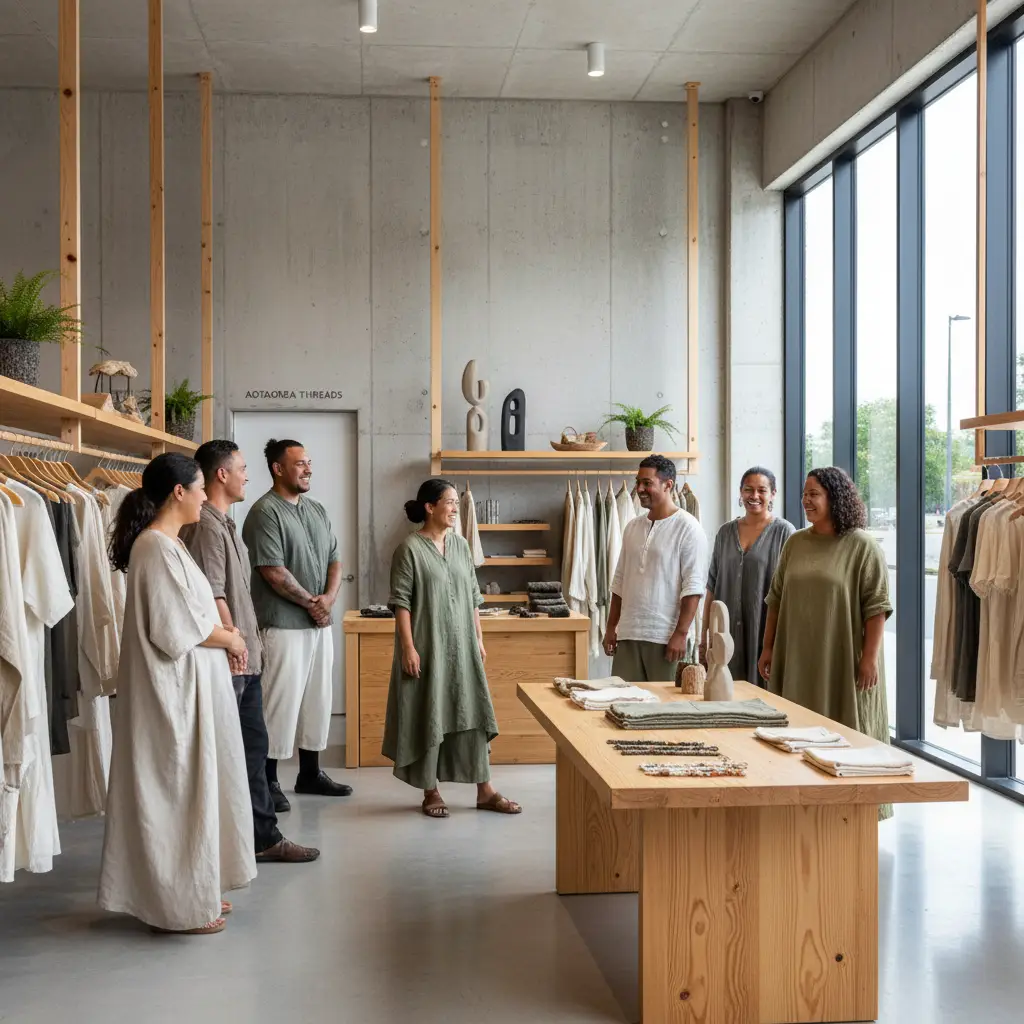
New Zealand is home to a growing number of brands that are not just talking about sustainability, but actively weaving it into the very fabric of their operations. These ethical fashion NZ brands often go beyond simple environmental considerations, embracing a holistic approach that includes fair labour, community support, and circular design principles.
Leading the Charge: Examples of Kiwi Ethical Innovators
- Kowtow: A globally recognised Wellington-based brand, Kowtow is celebrated for its commitment to 100% certified fairtrade organic cotton. Their collections are designed for longevity, challenging fast fashion with timeless pieces and a transparent supply chain, from seed to garment.
- Untouched World: Blending luxury with responsibility, Untouched World focuses on natural fibres like ZQ Merino wool and organic cotton. They champion circularity and minimal environmental impact, with a strong emphasis on local manufacturing and a fully traceable supply chain.
- Common Good: This brand focuses on creating versatile, durable garments from sustainable materials such as organic cotton and recycled blends. They often highlight their production partners and the living wages paid to artisans, embodying true transparency and social responsibility.
- ReCreate Clothing: Operating out of Cambodia, ReCreate empowers women through fair employment, providing training and dignified work opportunities. Their garments are made from organic cotton and linen, focusing on timeless designs and ethical manufacturing practices.
- Little Yellow Bird: Known for their Workwear for NZ Climates and uniforms, Little Yellow Bird ensures ethical production from seed to stitch. They offer full traceability for their products and actively advocate for systemic change in the garment industry, promoting fair wages and environmental stewardship.
- Twenty-seven Names: This luxury label based in Wellington prioritizes local production and ethically sourced materials. They produce small runs of high-quality garments designed to last, often using deadstock fabrics or organic and recycled materials, showcasing a commitment to reducing waste and supporting local craftsmanship.
These brands exemplify how stylish fashion can coexist with profound ethical and environmental responsibility, setting a high standard for the industry both locally and internationally.
Transparency in NZ Fashion: Why It Matters
Transparency is the cornerstone of truly ethical fashion. It refers to a brand’s willingness to openly share information about its supply chain, manufacturing processes, labour practices, and environmental impact. For consumers, transparency provides the confidence that their purchases genuinely align with their values and contribute to a better world.
“True ethical fashion doesn’t just look good; it reveals the story of its making – from the hands that crafted it to the resources that shaped it. Transparency is the narrative of accountability.”
When evaluating ethical fashion NZ brands, look for companies that openly publish details about their factories, material sourcing, certifications, and even their carbon footprint. Many leading New Zealand brands are now including ‘traceability maps’ or detailed supplier lists on their websites, allowing you to follow a garment’s journey from raw material to finished product. This level of detail helps consumers make informed decisions and holds brands accountable for their claims.
The Impact of Informed Choices
Choosing transparent brands helps combat greenwashing – where brands deceptively promote environmentally friendly practices without genuinely implementing them. Your demand for transparency empowers ethical businesses and pressures others to improve their practices. It fosters a culture of integrity within the fashion industry, driving continuous improvement in both social and environmental standards across global supply chains. By supporting transparency, you’re not just buying a product; you’re investing in a movement towards greater corporate responsibility.
Eco-Friendly Fabrics: The Sustainable Staples for Ethical Fashion NZ
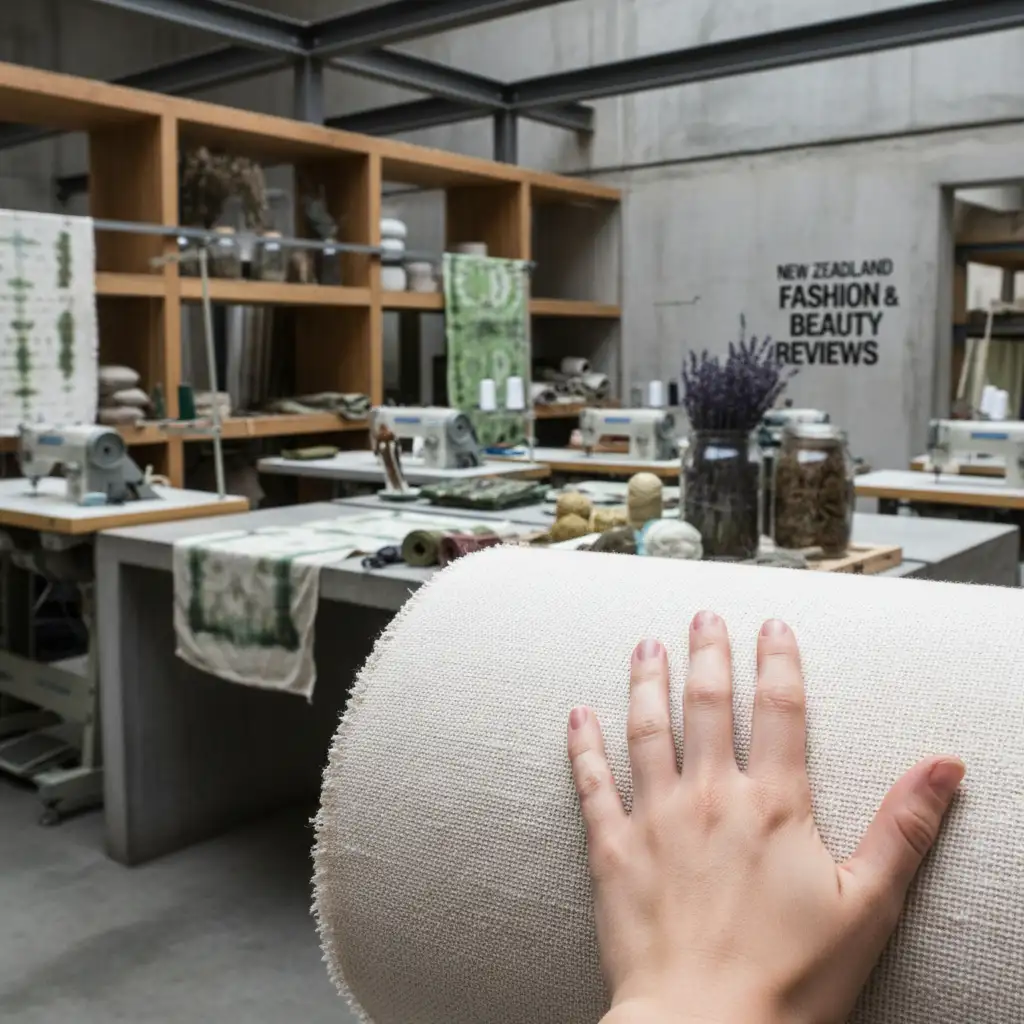
The materials used in clothing production have a significant environmental footprint. From vast water consumption to widespread pesticide use and persistent microplastic pollution, conventional fabrics often come with a heavy cost to our planet. Ethical fashion prioritises materials that minimise harm, regenerate ecosystems, and are often biodegradable, offering a healthier choice for both people and the environment.
Key Sustainable Fabric Choices
- Organic Cotton: Grown without synthetic pesticides, fertilisers, or GMOs, organic cotton uses significantly less water than conventional cotton and promotes healthier soil biodiversity. It’s softer, more breathable, and free from harsh chemicals.
- Linen: Made from the flax plant, linen is incredibly strong, durable, and naturally moisture-wicking. It requires minimal water and pesticides to grow and is fully biodegradable, making it an excellent choice for longevity and end-of-life impact.
- Hemp: A highly sustainable crop that grows quickly, requires little water, and actually improves soil health. Hemp fibres are exceptionally strong, durable, and naturally resistant to pests and mould, offering a long-lasting and low-impact textile.
- ZQ Merino Wool: New Zealand’s own ZQ Merino standard ensures wool is ethically sourced from sheep raised with high welfare standards, and the land is managed sustainably. It’s natural, renewable, biodegradable, and regulates temperature effectively, providing comfort and performance with a clear ethical footprint.
- Tencel™ Lyocell/Modal: These are cellulosic fibres derived from sustainably sourced wood pulp, typically from eucalyptus or beech trees. The production process uses a closed-loop system, recycling up to 99% of water and solvents, making them highly eco-friendly and known for their softness and drape.
- Recycled Materials (e.g., rPET, Recycled Wool): Giving new life to waste, recycled polyester (rPET) reduces reliance on virgin plastics and helps divert plastic bottles from landfills. Similarly, recycled wool saves resources, reduces textile waste, and conserves energy and water compared to producing new wool.
Stat Callout: The Fabric of Change
A staggering 87% of all textile waste ends up in landfill or is incinerated globally. Choosing garments made from durable, eco-friendly, and recyclable or biodegradable materials is crucial to shifting towards a circular fashion economy. This reduces waste, conserves resources, and lessens the environmental burden of clothing production.
When seeking out ethical fashion NZ brands, always check the fabric composition. Brands committed to sustainability will proudly highlight their use of these planet-friendly materials, often with certifications to back their claims.
Supporting Local Ethical Designers: Strengthening the Community
The benefits of supporting local ethical designers in New Zealand extend far beyond just acquiring a beautiful garment. It’s an investment in local economies, fosters job creation, reduces carbon footprints associated with global shipping, and celebrates unique Kiwi creativity and craftsmanship.
The Advantages of Buying Local
- Reduced Environmental Impact: Shorter supply chains mean less transportation, resulting in lower greenhouse gas emissions. Local production minimizes the need for international shipping, cutting down on fuel consumption and pollution.
- Direct Oversight: Local designers often have closer relationships with their manufacturers and artisans, allowing for better oversight of working conditions, fair wages, and ethical practices. This proximity builds trust and accountability.
- Unique Design and Quality: New Zealand designers often infuse their work with local culture, inspiration from Aotearoa’s natural beauty, and a commitment to high-quality, long-lasting pieces that resist fast-fashion trends. This focus on durability means garments are cherished for longer.
- Community Empowerment: Your purchase directly supports local businesses, artists, and the wider New Zealand economy. It helps sustain local jobs, encourages local innovation, and contributes to the vibrancy of regional communities.
- Access to Information: It’s often easier to get direct answers from local brands about their ethical credentials, sourcing processes, and impact initiatives. Many offer personal insights into their production, creating a stronger connection between consumer and creator.
Stat Callout: The Power of Local
Studies show that for every $100 spent at a local business, approximately $45 recirculates back into the local economy, compared to just $15 for large multinational chains. Supporting local ethical fashion NZ brands creates a tangible positive ripple effect, strengthening the economic and social fabric of New Zealand.
Seek out boutiques, online platforms dedicated to NZ designers, and local markets to discover the next generation of ethical and sustainable talent. Look for labels that proudly state ‘Made in NZ’ or ‘Designed and Manufactured in Aotearoa’ as indicators of genuine local production and support.
Certifications for Ethical Fashion NZ: What to Look For
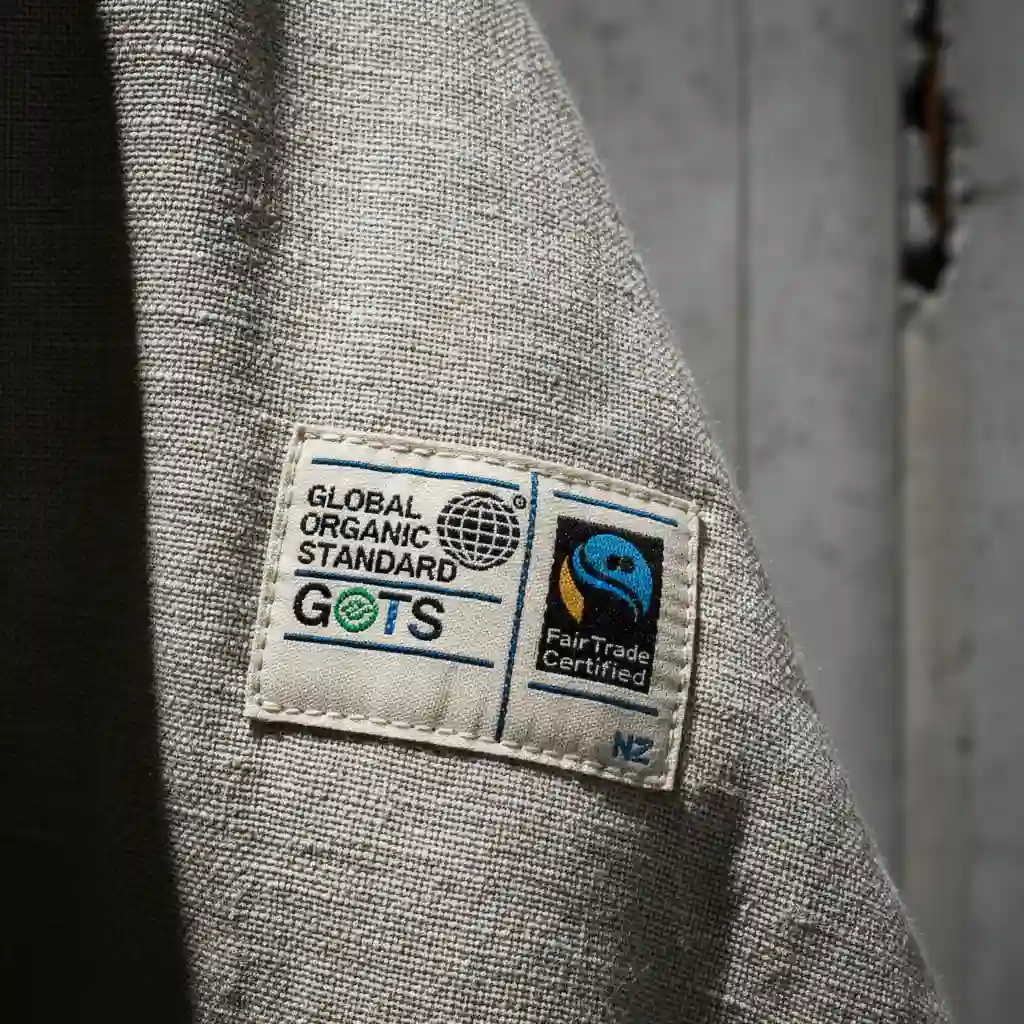
Certifications provide independent, third-party verification that a brand or product meets specific environmental, social, and ethical standards. Navigating the myriad of labels can be confusing, but understanding the key certifications empowers you to make truly informed choices about ethical fashion NZ brands.
Key Certifications to Recognise
- GOTS (Global Organic Textile Standard): Considered the gold standard for organic textiles. GOTS certification ensures organic status of textiles from harvesting of the raw materials, through environmentally and socially responsible manufacturing up to labelling in order to provide a credible assurance to the end consumer. It covers both ecological and social criteria.
- Fairtrade International: This certification focuses on ensuring fair prices, decent working conditions, and fair terms of trade for farmers and workers in developing countries. For fashion, it often applies to raw materials like cotton, guaranteeing producers receive a fair minimum price and a premium for community development.
- B Corp Certification (Certified B Corporation): While not specific to fashion, B Corps are businesses that meet the highest standards of verified social and environmental performance, public transparency, and legal accountability to balance profit and purpose. Many leading ethical fashion brands are B Corps, signifying a holistic commitment to sustainability.
- Oeko-Tex Standard 100: This certification ensures that textiles and fabrics are processed to reduce harmful chemicals, making them safe for human use. While it doesn’t cover organic production or social aspects, it’s a good indicator that the final product is free from toxic substances.
- ZQ Merino: Specific to New Zealand, this standard certifies merino wool that meets stringent criteria for animal welfare (non-mulesing), environmental sustainability, quality, and traceability. It guarantees that the wool is sourced from happy, healthy sheep and well-managed land.
- Toitū carbonzero certification: A New Zealand-based certification programme that verifies businesses have measured their greenhouse gas emissions, set targets to reduce them, and offset any remaining emissions to achieve a carbon-neutral footprint. For fashion brands, this signifies a commitment to climate action.
When you see these labels on garments from ethical fashion NZ brands, you can be more confident that the product aligns with strong ethical and sustainable principles. Always look beyond generic ‘eco-friendly’ claims and seek out verifiable certifications.
The Future of Ethical Fashion in NZ: Innovation and Influence
The ethical fashion landscape in New Zealand is continuously evolving, driven by consumer demand, technological innovation, and a collective desire for a more sustainable future. To stay updated on the latest shifts, refer to our Fashion Trends NZ 2024. Kiwi designers are at the forefront of this change, exploring new materials, circular design principles, and transparent business models.
Emerging Trends and Opportunities
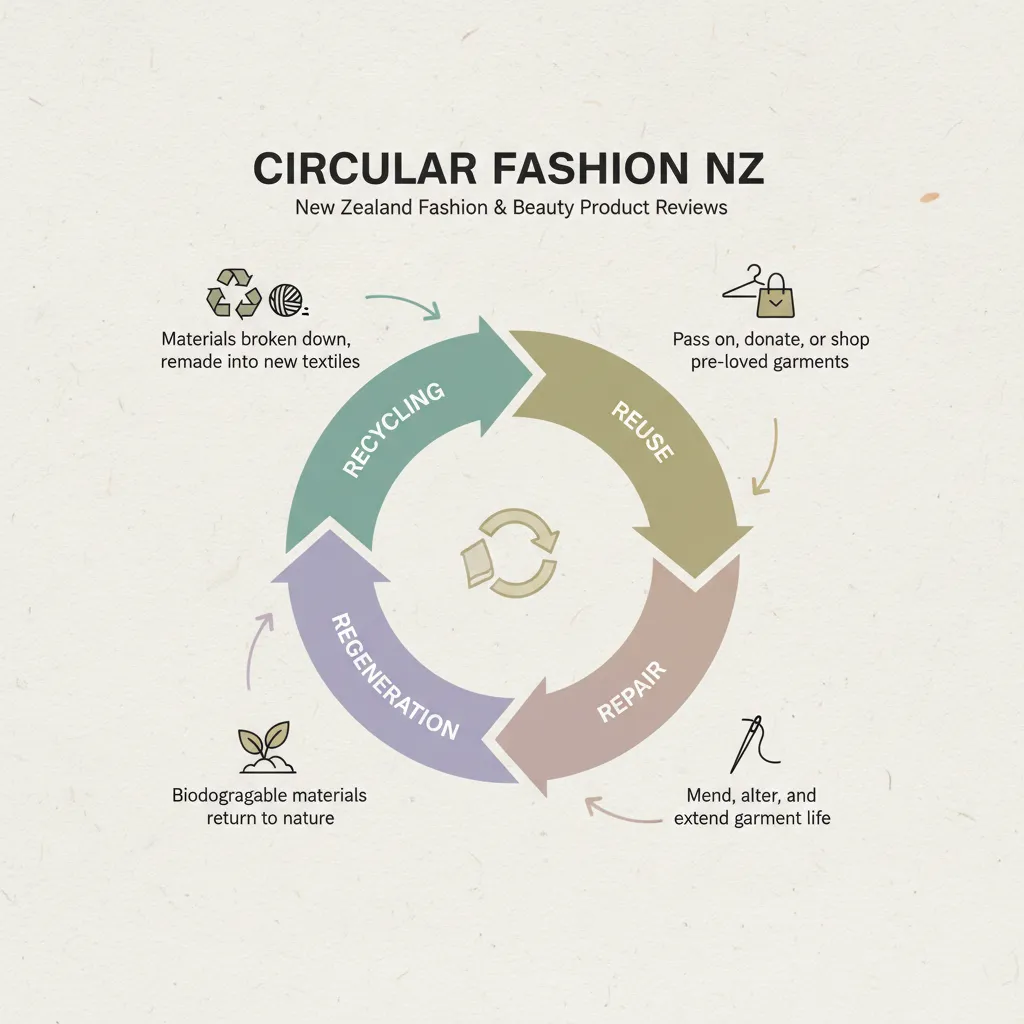
- Circular Economy Models: More NZ brands are adopting strategies like repair services, take-back programmes, and resale platforms to extend garment life and minimise waste. This shift from linear ‘take-make-dispose’ to circular models is critical for true sustainability.
- Biomaterials and Textile Innovation: Research into innovative materials like mushroom leather, algae-based dyes, and textiles derived from agricultural waste offers exciting prospects for reducing reliance on traditional resource-intensive fibres. New Zealand’s strong agricultural sector positions it well for local development in this area.
- Digital Traceability: Technologies like blockchain are being explored to provide immutable records of a garment’s journey, from raw material to retail, offering unparalleled transparency and accountability to consumers.
- Consumer Activism and Education: A growing awareness among New Zealand consumers is driving demand for ethical choices. Educational initiatives and accessible information empower individuals to make impactful purchasing decisions, further influencing brands to adopt sustainable practices.
The collective efforts of ethical fashion NZ brands, conscious consumers, and policy-makers are paving the way for a fashion industry that not only creates beautiful clothing but also actively contributes to a healthier planet and fairer society. By staying informed and supporting these innovators, you become part of this positive change.
Frequently Asked Questions about Ethical Fashion in NZ
What makes a fashion brand ethical in New Zealand?
An ethical fashion brand in New Zealand, or anywhere, prioritises fair labour practices (living wages, safe conditions), environmental sustainability (eco-friendly materials, reduced waste, low carbon footprint), transparency in its supply chain, and often community engagement. They go beyond legal minimums to actively create a positive impact.
Are ethical fashion brands in NZ more expensive?
Ethical fashion often involves higher costs due to sustainable sourcing, fair wages, and smaller production runs. While initial prices might be higher than fast fashion, ethical garments are typically made with superior quality and durability, offering better value per wear and reducing the need for frequent replacements. For options that balance ethics with budget, explore Affordable Fashion NZ. It’s an investment in quality and ethics.
How can I identify genuine ethical fashion NZ brands?
Look for clear transparency on their websites regarding supply chains, manufacturing partners, and material sourcing. Check for third-party certifications like GOTS (Global Organic Textile Standard), Fairtrade, B Corp, or ZQ Merino. Reviews and mentions on reputable ethical fashion directories or blogs can also be good indicators. Don’t be afraid to ask brands directly about their practices.
What are the most common sustainable fabrics used by NZ ethical brands?
Popular sustainable fabrics among ethical NZ brands include organic cotton, linen, hemp, ZQ certified Merino wool, and Tencel™ Lyocell. Many also utilise recycled materials like rPET (recycled polyester) or upcycled fabrics to minimise waste and resource consumption.
Why is supporting local ethical designers important for New Zealand?
Supporting local ethical designers boosts the New Zealand economy, creates local jobs, and reduces the carbon footprint associated with international shipping. It also fosters unique Kiwi creativity, ensures closer oversight of ethical production, and encourages the use of locally sourced materials and talent, contributing to a more resilient and sustainable local industry.
References & Sources
- Fashion Revolution – www.fashionrevolution.org
- Global Organic Textile Standard (GOTS) – global-standard.org
- ZQ Merino – www.zqmerino.co.nz
- B Lab Global (B Corp) – www.bcorporation.net
- Toitū Envirocare – www.toitu.co.nz