Sustainable Living Kiwi
Discover how to embrace sustainable living in New Zealand with practical tips for ethical shopping, waste reduction, and supporting local eco-initiatives for a greener Kiwi lifestyle.
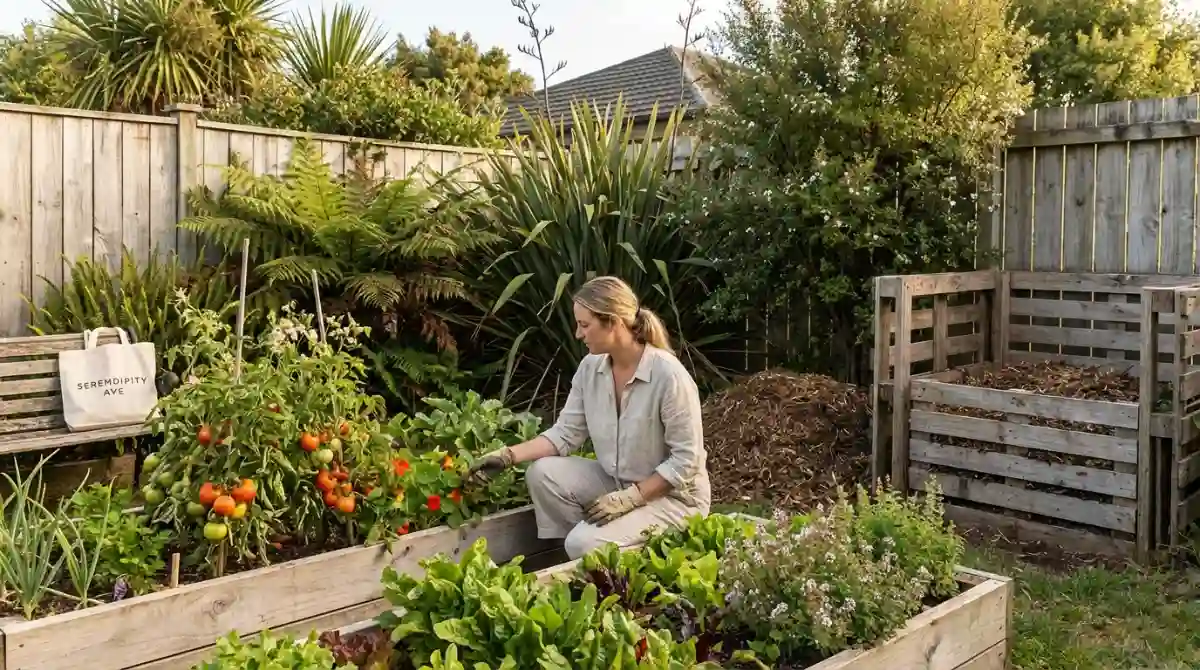
serendipityave.co.nz
What You Will Learn
Discover how to embrace sustainable living in New Zealand with practical tips for ethical shopping, waste reduction, and supporting local eco-initiatives for a greener Kiwi lifestyle.
Sustainable Living Kiwi: Your Guide to a Greener Aotearoa
Embrace a mindful existence that honours our precious environment. Discover practical, accessible ways to embed sustainable living in New Zealand into your everyday life, from ethical choices to waste reduction, all while celebrating local culture.
Table of Contents
1. The Basics of Sustainable Living in NZ
Sustainable living in New Zealand isn’t just a trend; it’s a commitment to protecting Aotearoa’s unique biodiversity and natural beauty for future generations. It encompasses making conscious choices that minimise your environmental footprint, promote social equity, and support economic viability.
From the majestic Southern Alps to the pristine coastlines, New Zealanders are deeply connected to their land. Embracing sustainability here means integrating traditional Māori wisdom of kaitiakitanga (guardianship) with modern ecological practices.
1.1 Understanding Your Footprint
The first step towards a greener lifestyle is understanding the impact of your daily choices. This includes energy consumption, food sources, transportation, and waste generation. Tools like online carbon footprint calculators can provide a clear picture of where you stand.
“Every small action contributes to a larger impact. By understanding our individual footprints, we empower ourselves to make more informed, sustainable choices for our communities and our planet.” – Serendipity Ave Editorial Team
1.2 Embracing the ‘Reduce, Reuse, Recycle’ Ethos
This classic mantra remains the cornerstone of sustainable practices. Prioritise reducing what you consume, finding new purposes for items, and then, as a last resort, ensuring materials are properly recycled. This hierarchy is crucial for minimising overall environmental strain.
A recent study showed that Kiwis produce approximately 734 kg of waste per person per year, highlighting the urgent need for robust waste reduction strategies across New Zealand.
2. Ethical Shopping & Consumption
Choosing where and how you spend your money has a profound impact. Ethical shopping means supporting businesses that align with your values, prioritise environmental protection, and ensure fair labour practices. This is a vital component of sustainable living in New Zealand.

2.1 Prioritising Local & Seasonal Produce
Buying local supports Kiwi farmers, reduces ‘food miles’ (the distance food travels from farm to plate), and ensures you’re getting fresh, seasonal produce. Visit your local farmers’ markets or seek out ‘NZ grown’ labels in supermarkets. This significantly lowers your carbon footprint.
2.2 Conscious Fashion Choices
The fashion industry is notoriously resource-intensive. Opt for durable, high-quality garments, support local designers using sustainable materials, and explore second-hand options. Embrace the concept of a capsule wardrobe to minimise overconsumption.
It’s estimated that New Zealanders send around 220,000 tonnes of textile waste to landfills annually. Choosing pre-loved or durable items drastically cuts this number.
2.3 Green Brands & Certifications
Look for brands committed to sustainability, often indicated by certifications such as ‘BioGro NZ’ for organic products, ‘Toitū’ carbonzero certification, or B Corp status. These certifications offer assurance that a business meets high standards of environmental and social performance.
3. Waste Reduction & Recycling in NZ
Minimising waste is one of the most tangible ways to contribute to sustainable living in New Zealand. While recycling is important, reducing and reusing should always come first. New Zealand’s recycling systems vary by council, making it essential to know your local guidelines.
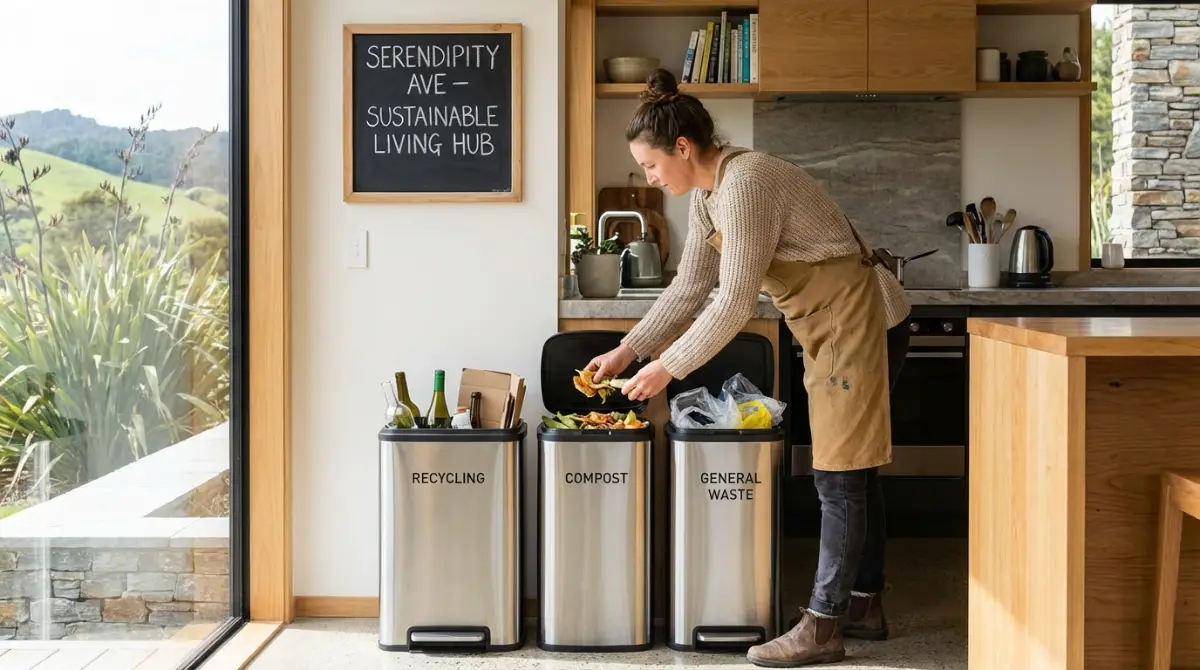
3.1 Mastering Your Household Recycling
- Know Your Council Rules: Check your local council’s website for specific guidelines on what can and cannot be recycled in your area. This includes plastics (1-7), paper, cardboard, glass, and cans.
- Rinse and Dry: Contaminated items can send an entire batch of recycling to landfill. Always rinse containers thoroughly.
- Soft Plastics: Many supermarkets offer collection points for soft plastics, which are not usually accepted in kerbside bins.
3.2 Composting & Food Waste Management
Food waste is a significant contributor to greenhouse gas emissions in landfills. Composting is an easy and effective way to divert organic waste. Whether it’s a backyard compost bin, a worm farm, or a local community composting scheme, turning food scraps into rich soil is a win-win.
3.3 Reducing Single-Use Items
The biggest impact often comes from avoiding disposables. Carry reusable bags, water bottles, coffee cups, and food containers. Say no to plastic straws and unnecessary packaging. These small habits collectively make a huge difference.
- Carry a reusable shopping bag.
- Invest in a quality reusable water bottle and coffee cup.
- Plan meals to minimise food waste.
- Start a compost or worm farm.
- Say ‘no’ to single-use plastics when offered.
- Repair items before replacing them.
4. Supporting Local Eco-Initiatives
Being part of a sustainable community means actively engaging with and supporting efforts that go beyond individual actions. There are numerous organisations and initiatives across Aotearoa dedicated to environmental protection and fostering sustainable living in New Zealand.
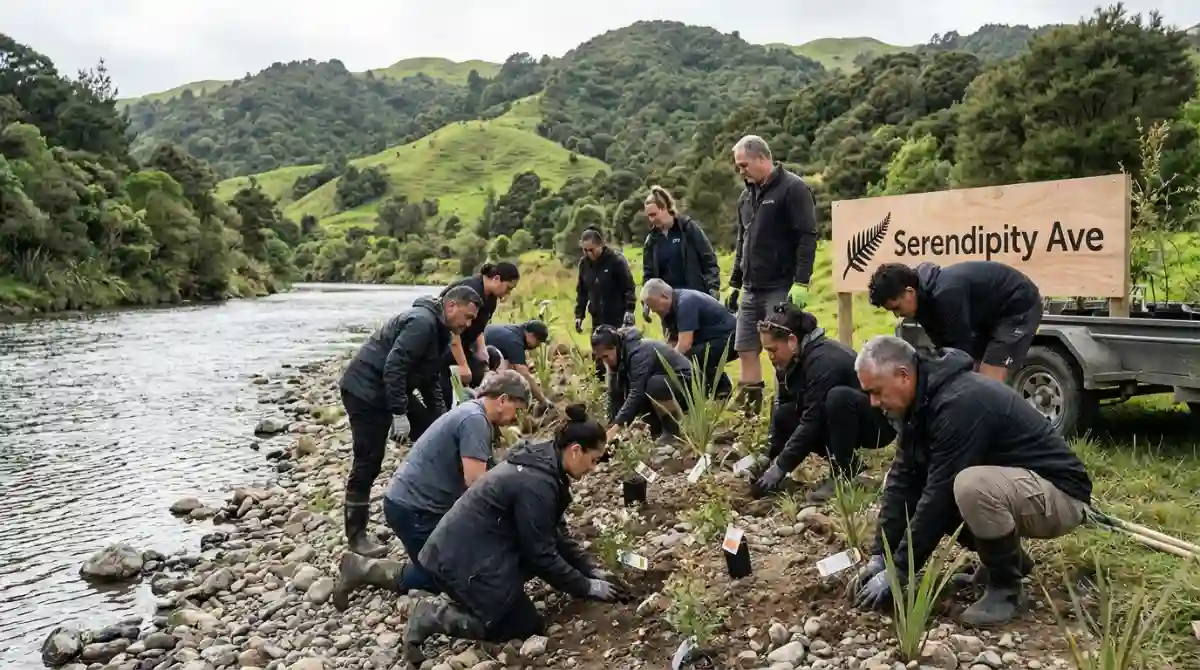
4.1 Volunteering & Community Action
Lend a hand! Volunteer for local clean-up days, native tree planting projects, or conservation groups. Community gardens, repair cafés, and sustainability workshops are fantastic ways to connect with like-minded people and learn new skills.
4.2 Advocating for Change
Your voice matters. Support policy changes that promote sustainability by engaging with local and national government representatives. Sign petitions, participate in public consultations, and stay informed about environmental issues impacting New Zealand.
“Kaitiakitanga – guardianship and protection – is a fundamental Māori value that resonates deeply with sustainable living. It reminds us of our responsibility to nurture the land, sea, and all living things.” – Indigenous Māori Proverbial Wisdom
4.3 Supporting Eco-Tourism & Conservation
When travelling within New Zealand, choose eco-friendly operators and accommodations that minimise their environmental impact and contribute to conservation efforts. This helps protect the very landscapes you’ve come to enjoy.
Over 80% of New Zealanders believe it’s important to protect native biodiversity, demonstrating a strong public will to support local conservation efforts.
Frequently Asked Questions (FAQ)
What is the most effective way to start sustainable living in New Zealand?
Begin by focusing on waste reduction: carrying reusable items, composting food scraps, and understanding your local recycling rules. These actions have an immediate and tangible impact on your environmental footprint.
How can I find truly ethical brands in New Zealand?
Look for certifications like BioGro NZ (organic), Toitū (carbonzero/enviromark), or B Corp status. Research brands’ transparency reports, their supply chain practices, and read reviews from independent sources. Prioritise local businesses with clear sustainability commitments.
Is recycling the most important aspect of sustainable living in New Zealand?
While recycling is important, it’s actually the last step in the ‘Reduce, Reuse, Recycle’ hierarchy. Prioritising reducing consumption and reusing items has a greater impact on sustainability by preventing waste generation in the first place.
How can I support indigenous culture as part of sustainable living?
Support Māori-owned businesses, particularly those focused on ethical practices and traditional crafts. Learn about and respect Māori cultural values such as kaitiakitanga (guardianship) and manaakitanga (hospitality). Engage with marae-based tourism that educates visitors about Māori heritage and environmental practices.
References & Sources
- Ministry for the Environment. (Various years). Environmental Reporting Series. Retrieved from environment.govt.nz
- Statistics New Zealand. (Ongoing). Environmental-Economic Accounts. Retrieved from stats.govt.nz
- Zero Waste Network Aotearoa. (Current initiatives). Waste Reduction Resources. Retrieved from zerowaste.co.nz
- Sustainable Business Network. (Various publications). NZ Sustainability Insights. Retrieved from sustainable.org.nz
- Māori Environmental Organisations. (General information). Cultural Practices and Kaitiakitanga. (Reflecting widespread indigenous knowledge and practices.)