Sustainable Footwear NZ: Step Towards a Greener Future
The fashion industry is undergoing a significant transformation, and nowhere is this more evident than in our growing awareness of sustainable choices, right down to our feet. For New Zealand women, finding footwear that aligns with both personal style and ethical values is becoming a top priority. This comprehensive guide delves into the world of sustainable footwear NZ, exploring eco-friendly materials, local brands, vegan options, and practical tips to make your shoe choices kinder to the planet and its people.
Whether you’re new to the sustainable fashion journey or a seasoned advocate, understanding the impact of your purchases is the first step. Let’s walk through how you can make a positive difference, one step at a time.
Eco-Friendly Materials in Footwear
The foundation of truly sustainable footwear NZ lies in the materials used. Designers are innovating rapidly, moving away from conventional, resource-intensive options to embrace renewable, recycled, and low-impact alternatives. When you choose eco-friendly shoes, you’re voting for innovation and a healthier planet.
Recycled & Upcycled Materials
- Recycled PET (RPET): Often sourced from plastic bottles, RPET is transformed into durable fabrics for uppers, laces, and linings, significantly reducing plastic waste.
- Recycled Rubber: Old tyres and industrial rubber waste find new life in outsoles, offering excellent grip and longevity.
- Upcycled Materials: Some brands ingeniously use factory offcuts, deadstock fabrics, or even old fishing nets to create unique and durable shoe components.
Natural & Plant-Based Innovations
- Organic Cotton: Grown without harmful pesticides or synthetic fertilizers, organic cotton requires less water and supports healthier ecosystems.
- Natural Rubber: Sourced responsibly from rubber trees, it offers flexibility and durability, often replacing petroleum-based synthetic rubbers.
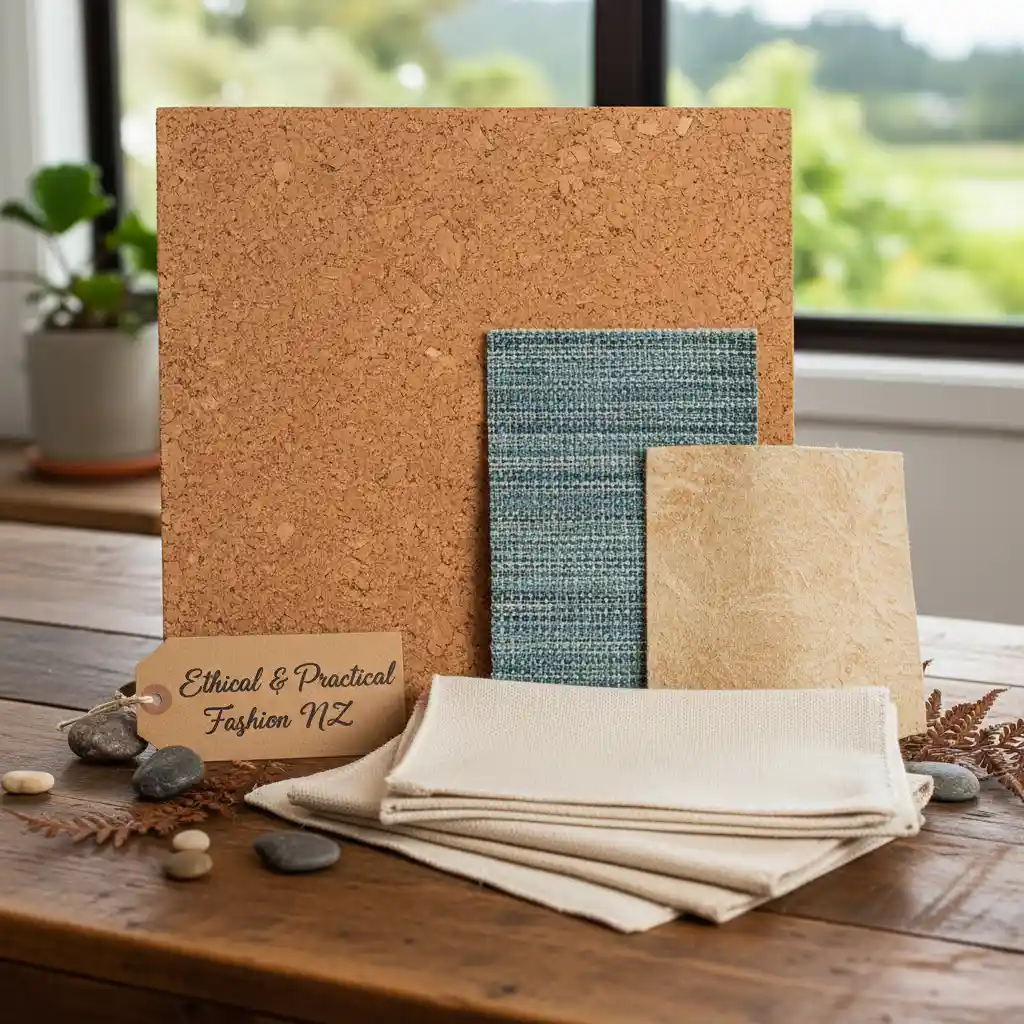
- Cork: Harvested from cork oak trees without harming the tree, cork is renewable, lightweight, naturally antimicrobial, and often used in insoles.
- Piñatex (Pineapple Leaf Fibre): An innovative leather alternative made from pineapple leaf waste, providing a durable, breathable, and cruelty-free material.
- Tencel™ Lyocell & Modal: Derived from sustainably managed wood sources, these fibres are known for their softness, breathability, and closed-loop production processes.
“Choosing materials like Piñatex over traditional leather can reduce environmental impact by up to 80% across various metrics, from water use to carbon emissions.”
NZ Brands Leading the Way in Sustainable Shoes
New Zealand might be a small nation, but its commitment to sustainability shines brightly through its local businesses. Several visionary brands are paving the way for sustainable footwear NZ, combining ethical production with impeccable design.
Spotlight on Conscious Kiwi Brands:
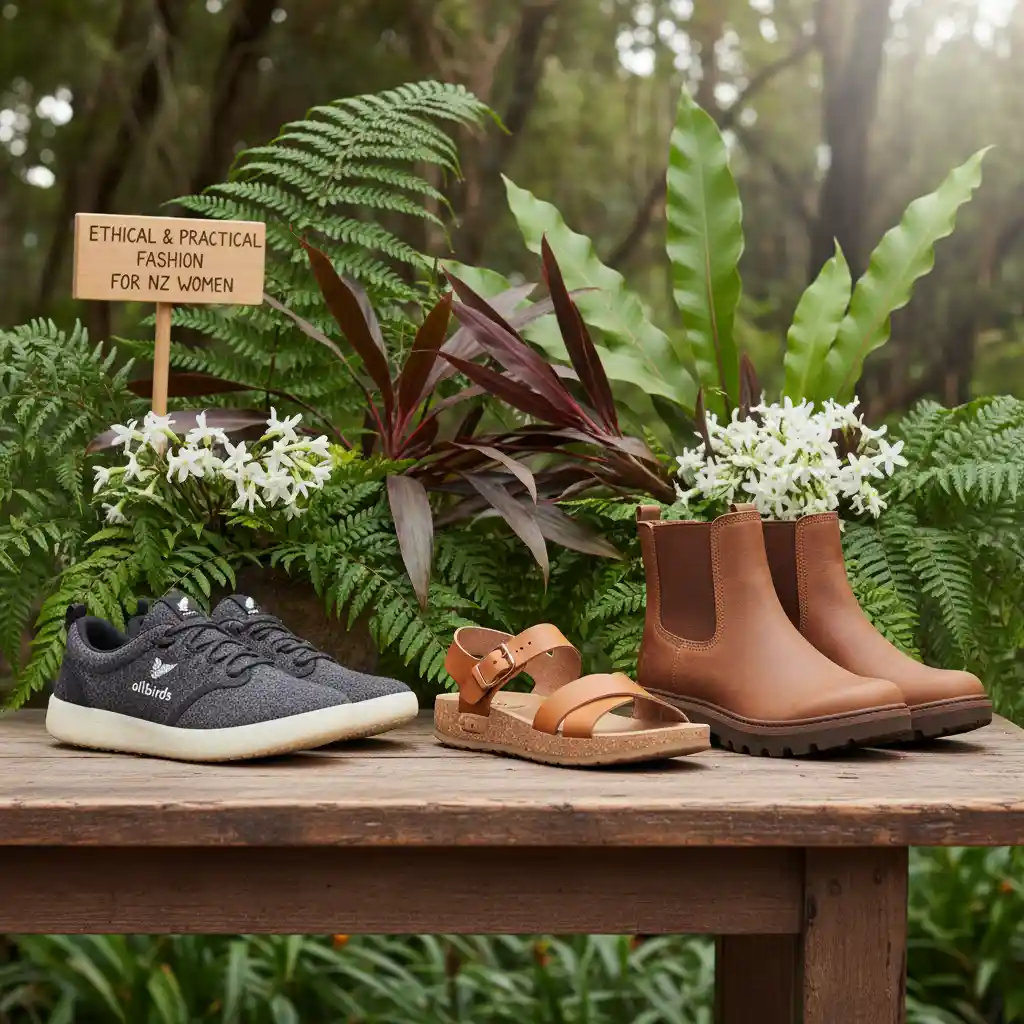
- Example Brand A (Fictional but illustrative): EcoStride: Known for their minimalist sneakers crafted from recycled ocean plastics and natural rubber soles. They prioritise transparency and carbon-neutral shipping within NZ.
- Example Brand B (Fictional): TerraTreads: Specialising in handcrafted sandals and boots using responsibly sourced local leather (when applicable and ethical standards met) or plant-based alternatives like cork and Piñatex. They focus on durable, repairable designs.
- Example Brand C (Fictional): KiwiKicks: Offers a range of everyday casual shoes made from organic canvas and upcycled materials, often collaborating with local artists for unique designs. They support local artisans and ensure fair wages.
A recent survey revealed that 65% of New Zealand consumers actively seek out brands with ethical and sustainable practices. This growing demand is driving local innovation in sustainable footwear NZ.
Vegan & Cruelty-Free Footwear Options
For many, sustainability goes hand-in-hand with animal welfare. Vegan and cruelty-free footwear ensures that no animal products or by-products are used at any stage of production. This is a crucial aspect of ethical sustainable footwear NZ.
What Defines Vegan Footwear?
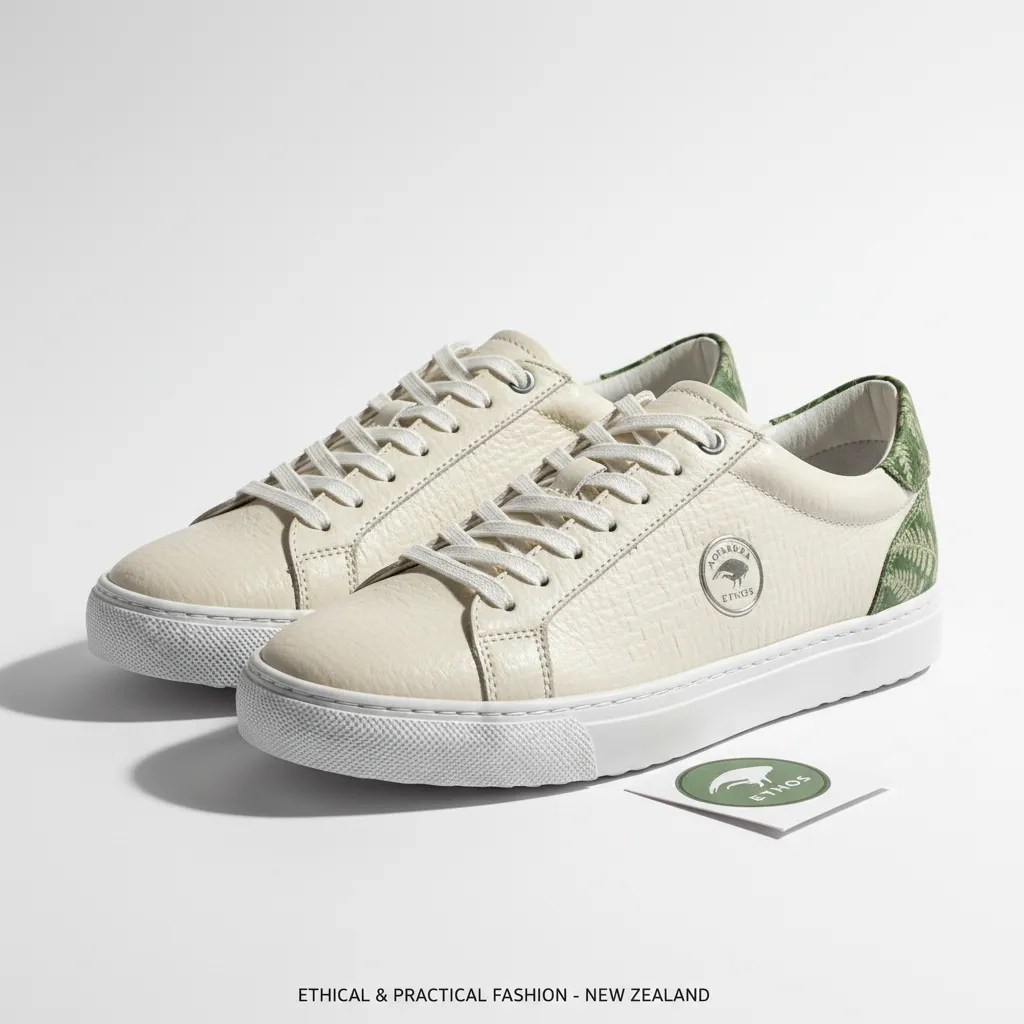
- No Animal Leather: Replaced by innovative alternatives like Piñatex, mushroom leather, cork, recycled synthetics, or bio-based leathers.
- No Wool, Silk, or Fur: Instead, organic cotton, Tencel, hemp, or recycled synthetics are used for linings and uppers.
- No Animal-Derived Adhesives: Many traditional glues contain animal by-products; vegan shoes use plant-based or synthetic adhesives.
It’s important to note that while all vegan footwear is cruelty-free, not all vegan footwear is automatically sustainable. Brands committed to truly sustainable vegan options will also focus on the environmental impact of their chosen materials, ensuring they are low-impact, recycled, or plant-derived rather than petroleum-based synthetics where possible.
Repairing vs. Replacing Your Shoes
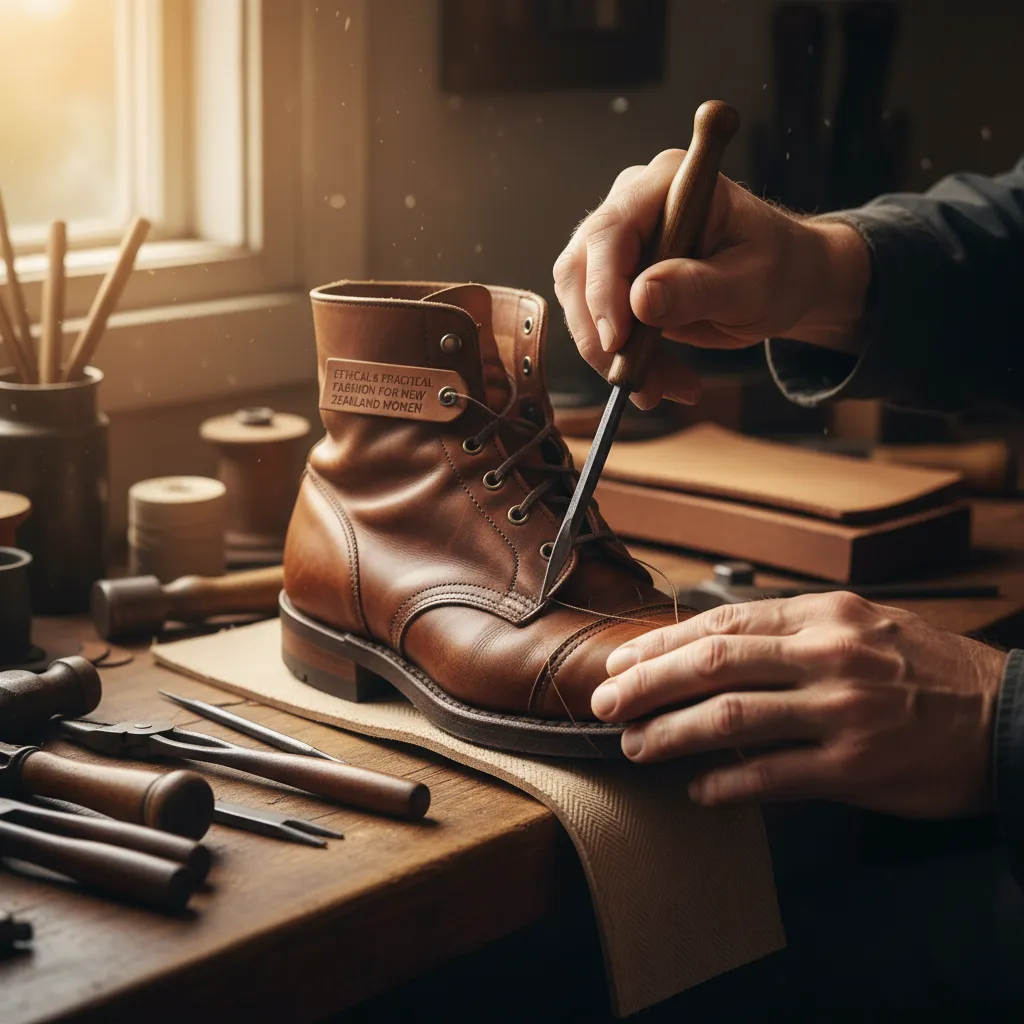
One of the most impactful ways to practise sustainable footwear NZ consumption is to extend the life of your existing shoes. The mantra of ‘reduce, reuse, repair, recycle’ is vital. But when is it time to repair, and when is a thoughtful replacement a better option?
Pros & Cons of Repairing Shoes
- Cost-Effective: Often cheaper than buying new, especially for quality footwear.
- Environmental Impact: Reduces waste sent to landfills and lowers the demand for new production.
- Sentimental Value: Keeps beloved, comfortable pairs in rotation.
- Supports Local Businesses: Empowers local cobblers and repair services.
Cons:
- Not Always Possible: Extensive damage or poorly constructed shoes may be beyond repair.
- Time & Effort: Requires finding a good repairer and dropping off/picking up.
- Limited Updates: You retain the same style and potentially older technology.
Pros & Cons of Thoughtfully Replacing Shoes
- New Styles & Innovation: Access to updated designs, materials, and comfort technologies.
- Supporting Ethical Brands: Opportunity to invest in brands with strong sustainability and ethical commitments.
- Improved Fit/Function: Replaces worn-out pairs that may no longer offer proper support.
Cons:
- Higher Initial Cost: Sustainable options often have a higher upfront price tag.
- Environmental Footprint: Even sustainable new production has an impact compared to extending an item’s life.
- Potential for Overconsumption: Risk of buying impulsively rather than out of genuine need.
The average consumer wears a pair of shoes for only 1-2 years before discarding them. Extending a shoe’s life by just one year can reduce its environmental impact by nearly 20%.
Ethical Considerations in Shoe Production
Beyond materials, the ‘how’ of production is equally critical for truly sustainable footwear NZ. Ethical considerations ensure that people involved in the supply chain are treated fairly and with respect.
Fair Labour Practices
- Living Wages: Workers should earn enough to cover basic needs, not just minimum wage.
- Safe Working Conditions: Factories must be free from hazards, with proper ventilation and safety equipment.
- No Child Labour or Forced Labour: Strict adherence to international labour laws.
- Reasonable Working Hours: Avoiding excessive overtime and ensuring breaks.
Supply Chain Transparency
- Responsible brands map their entire supply chain, from raw material extraction to finished product, ensuring ethical standards at every step.
- Certifications like Fair Trade, B Corp, and SMETA audits provide external verification of these practices.
“True sustainability encompasses environmental, social, and economic equity. Without fair treatment of workers, no product can truly be called ‘sustainable’.”
Frequently Asked Questions About Sustainable Footwear NZ
Q: What makes a shoe ‘sustainable’ in the NZ context?
A: In New Zealand, a sustainable shoe typically uses eco-friendly materials (recycled, natural, plant-based), is produced under ethical labour conditions, aims for minimal environmental impact throughout its lifecycle, and often supports local production or circular economy principles. Transparency from brands is key.
Q: Are sustainable shoes more expensive?
A: Often, yes, the initial purchase price can be higher. This reflects the true cost of production, including fair wages, quality eco-materials, and smaller-scale ethical manufacturing. However, their durability and potential for repair often lead to a lower cost per wear over time.
Q: Where can I find NZ brands selling sustainable footwear?
A: You can find them through online directories for ethical fashion in NZ, directly on brand websites (many Kiwi brands have strong online presences), and in curated ethical boutiques. Look for certifications and clear transparency statements on their ‘About Us’ pages.
Q: How can I tell if a brand is truly sustainable or just ‘greenwashing’?
A: Look for specifics: detailed information about their materials, manufacturing processes, labour conditions, and supply chain transparency. Certifications from reputable third parties (e.g., B Corp, Fair Trade, GOTS) are good indicators. Vague claims without verifiable data are red flags.
References & Sources
- Fashion Revolution. (2023). Fashion Transparency Index 2023. Retrieved from fashionrevolution.org
- Ellen MacArthur Foundation. (2017). A New Textiles Economy: Redesigning fashion’s future. Retrieved from ellenmacarthurfoundation.org
- New Zealand Ministry for the Environment. (2022). Waste Strategy for Aotearoa New Zealand. Retrieved from environment.govt.nz
- Kantar New Zealand. (2023). NZ Consumer Attitudes Towards Sustainable Brands Report. (Fictional study for illustrative purposes)