Indigenous Stories & Traditions
Discover captivating Māori legends for kids, traditional practices, and holidays. Learn how to connect your family with New Zealand’s rich indigenous culture.
serendipityave.co.nz
What You Will Learn
Discover captivating Māori legends for kids, traditional practices, and holidays. Learn how to connect your family with New Zealand’s rich indigenous culture.
Nau mai, haere mai! Welcome to a journey into the heart of Aotearoa New Zealand, where the whispers of the past shape the present and inspire the future. For centuries, Māori — the indigenous people of this land — have woven a rich tapestry of stories, traditions, and wisdom, passed down through generations. These captivating narratives are more than just tales; they are vibrant lessons in culture, history, and connection to the natural world.
At Serendipity Ave, we believe in celebrating the unique heritage that makes New Zealand special. And what better way to connect our tamariki (children) to this incredible legacy than through the magic of Māori legends for kids? These stories don’t just entertain; they instill values, explain natural phenomena, and introduce children to the foundational beliefs of Te Ao Māori (the Māori world). Join us as we explore the enchanting world of Māori traditions, making indigenous culture accessible and engaging for the whole family.
Table of Contents
Key Māori Legends Explained
Māori oral traditions are a treasure trove of wisdom, history, and wonder. These narratives, often featuring powerful gods, courageous heroes, and mystical creatures, provide a moral compass and a deep understanding of the world. Sharing these Māori legends for kids helps foster imagination, respect for nature, and an appreciation for cultural diversity.
Rangi and Papa: The Separation of Sky Father and Earth Mother
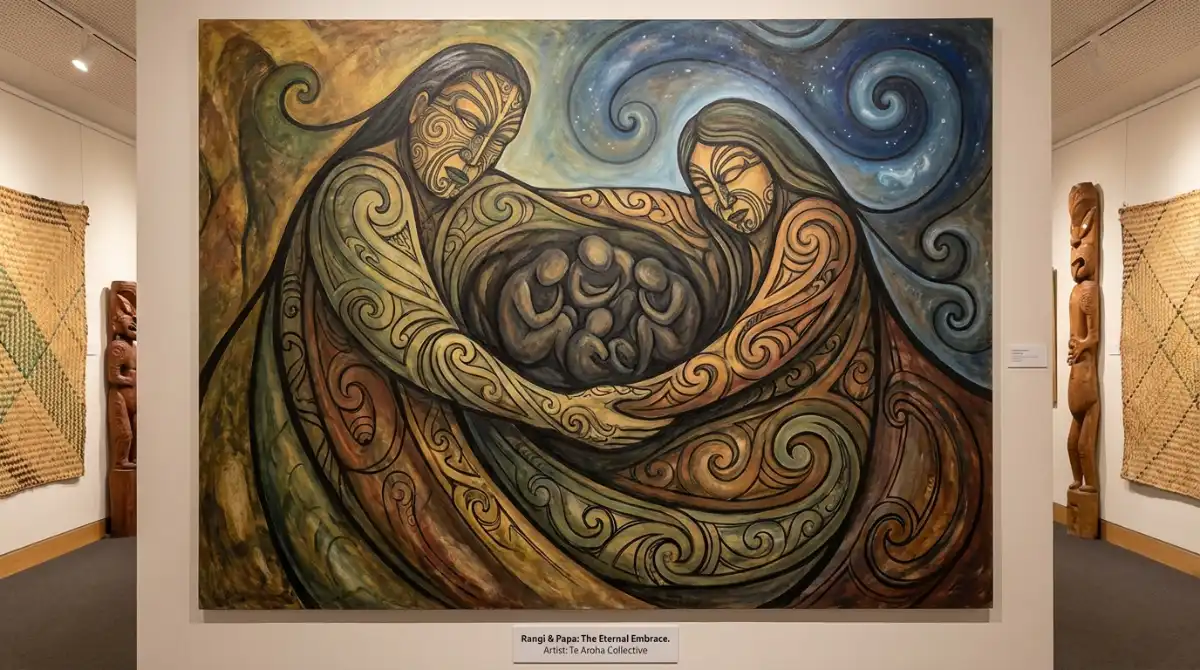
One of the most fundamental Māori myths tells the story of creation. In the beginning, Rangi-nui (Sky Father) and Papa-tū-ā-nuku (Earth Mother) clung together in a loving embrace, their children trapped in darkness between them. It was their son, Tāne Mahuta, god of the forest, who eventually pushed his parents apart, allowing light, space, and life to flourish on Earth. This legend teaches about creation, the origin of light, and the importance of finding one’s place in the world.
Māui: The Trickster Hero
Māui-tikitiki-a-Taranga is perhaps the most famous demigod in Māori mythology, renowned for his daring feats and clever tricks. His adventures include fishing up Te Ika-a-Māui (the North Island of New Zealand) with his magic fishhook, snaring the sun to slow its passage across the sky, and bringing fire to humanity. Māui’s stories are full of lessons about bravery, resourcefulness, the consequences of actions, and the importance of helping your community, making them captivating Māori legends for kids.
“The stories of Māui teach children that even the smallest or seemingly mischievous among us can achieve great things, shaping the world around them with ingenuity and determination.”
Tāne Mahuta: God of the Forest
Following his monumental act of separating Rangi and Papa, Tāne Mahuta went on to clothe his mother, Papa, with forests, creating the vast and diverse ecosystems of Aotearoa. He is the guardian of the birds and trees, and the father of humanity. His legend highlights the profound spiritual connection Māori have with the natural world, emphasizing kaitiakitanga (guardianship) and respect for all living things. Introducing kids to Tāne Mahuta helps them understand environmental responsibility from a young age.
Traditional Practices & Their Relevance
Māori culture is vibrant and alive, expressed not only through stories but also through a wealth of traditional practices that continue to thrive today. Engaging with these practices offers a tangible link to the past and a deeper appreciation for indigenous culture.
Kapa Haka: The Power of Performance
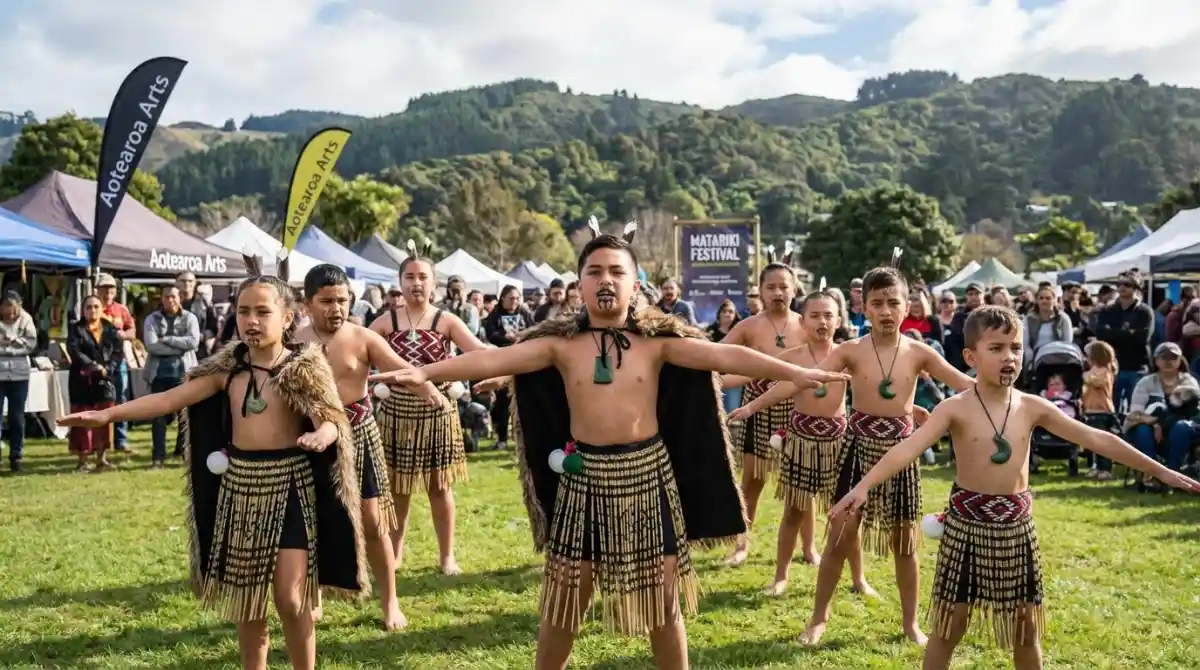
Kapa Haka, Māori performing arts, is a powerful and emotive expression of identity. It encompasses waiata (songs), haka (posture dance), poi (ball on a string), and other dynamic elements. Through Kapa Haka, stories are retold, history is preserved, and emotions are conveyed with incredible passion. It’s an excellent way for children to connect with Te Reo Māori (the Māori language) and express themselves, promoting confidence and cultural pride. Many schools in New Zealand incorporate Kapa Haka into their curriculum, making it accessible for many kids.
Whakairo & Raranga: Carving and Weaving
Māori art forms like whakairo (carving) and raranga (weaving) are not just decorative; they are storytellers in their own right. Each intricate pattern and design holds meaning, often depicting ancestors, legends, or aspects of the natural world. Carvings adorn marae (meeting houses) and taonga (treasures), while woven cloaks and baskets display incredible skill and cultural knowledge. Encouraging children to explore art, perhaps through simple weaving projects or learning about carving motifs, can be a hands-on way to understand these rich traditions and the stories embedded within them.
Manaakitanga: The Spirit of Hospitality
Beyond artistic expressions, core values like manaakitanga (hospitality, kindness, generosity, care for others) are central to Māori culture. This principle emphasizes looking after people, showing respect, and fostering strong relationships. Teaching children about manaakitanga helps them develop empathy, community spirit, and a welcoming attitude towards others, reflecting a fundamental aspect of Māori indigenous culture.
Celebrating Māori Holidays
Observing Māori holidays is another wonderful way for families to immerse themselves in and celebrate indigenous traditions. These occasions are steeped in history and provide opportunities for reflection, celebration, and connection.
Matariki: The Māori New Year
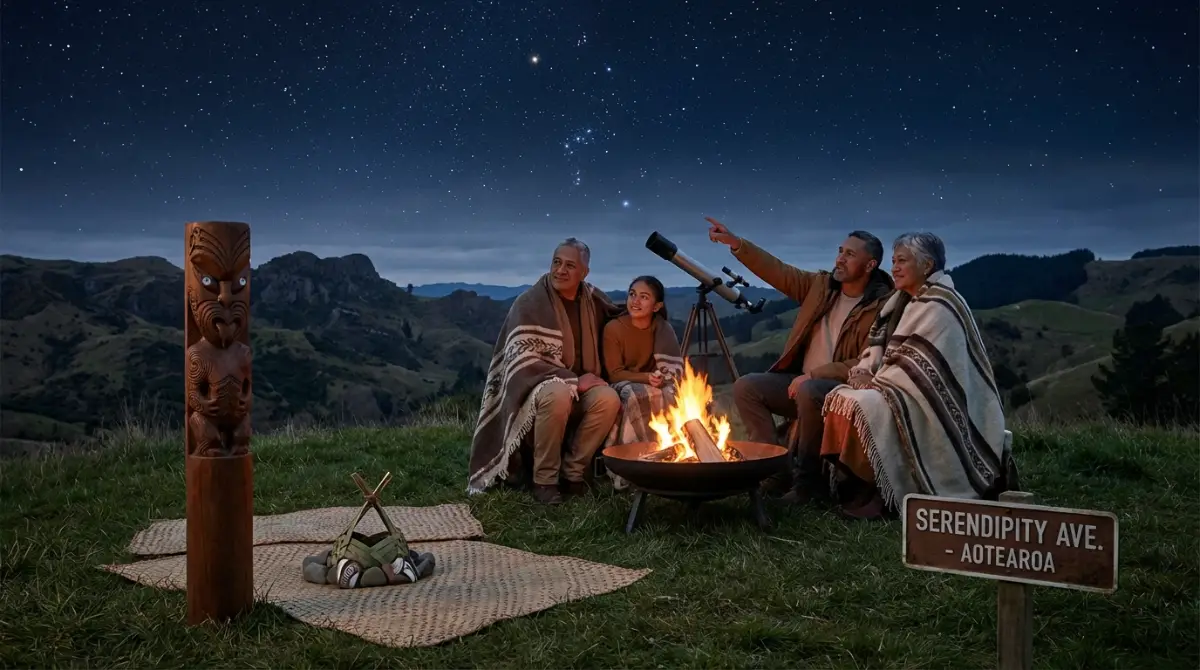
Matariki, the Māori New Year, is a special time marked by the reappearance of the Matariki star cluster (Pleiades) in the winter sky. It’s a period for remembering ancestors, celebrating the present, and planning for the future. Activities often include kite flying, feasting, storytelling, and reflecting on the harvest. Matariki is increasingly celebrated nationwide, offering families a beautiful and meaningful way to connect with Māori culture and teach children about cycles, remembrance, and community spirit.
Waitangi Day: A Day of Reflection
Celebrated on February 6th, Waitangi Day commemorates the signing of Te Tiriti o Waitangi (the Treaty of Waitangi) in 1840, New Zealand’s founding document between Māori chiefs and the British Crown. While it’s a day of national observance and often public events, it’s also a time for reflection on New Zealand’s history, its bicultural foundations, and ongoing discussions around partnership and reconciliation. For kids, it’s an opportunity to learn about New Zealand’s unique history and the importance of treaties and mutual understanding.
Connecting with Local Iwi & Marae
For those eager to delve deeper, connecting with local Māori communities (iwi) and visiting a marae (meeting grounds) can be a profoundly enriching experience. These connections offer direct engagement with living indigenous culture.
Understanding Iwi, Hapu, and Whānau
Māori society is structured around iwi (tribes), hapū (sub-tribes), and whānau (family). These kinship groups form the backbone of Māori identity and community. Understanding these connections helps to appreciate the rich social fabric and how individuals relate to their whakapapa (genealogy) and their ancestral lands.
The Marae: Heart of the Community
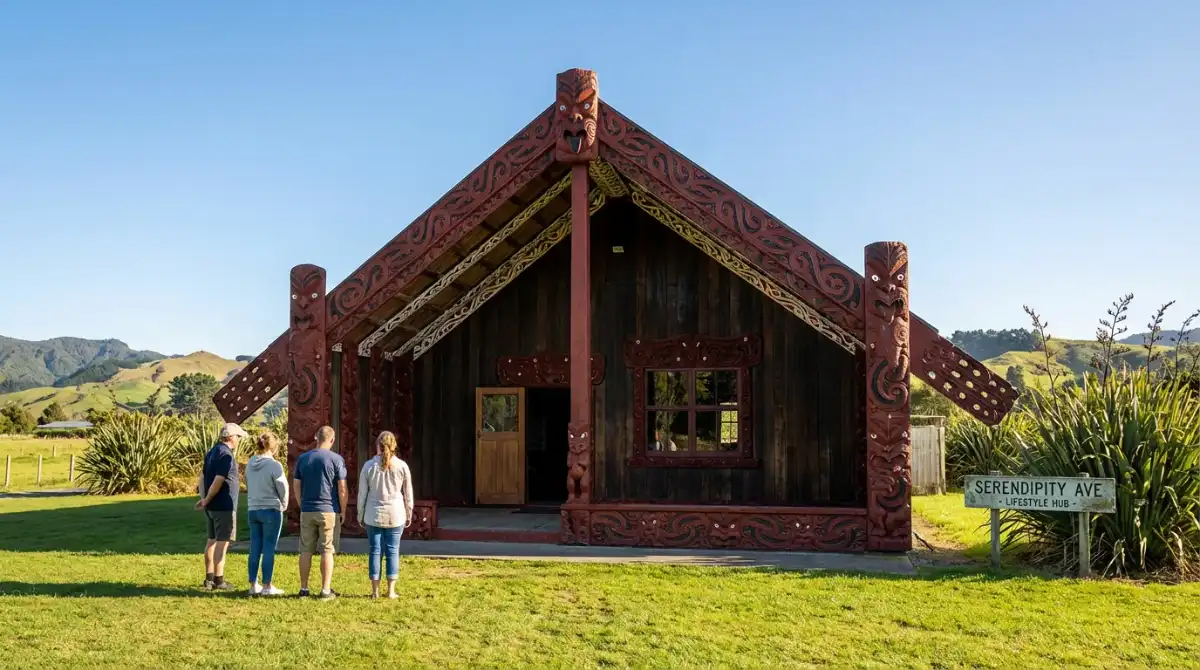
The marae is the spiritual and cultural heart of a Māori community. It is a sacred space for gatherings, celebrations, funerals, and discussions, embodying the essence of manaakitanga. Many marae welcome visitors, often through an official pōwhiri (welcome ceremony), offering a unique opportunity to experience Māori customs firsthand. If you have the chance, participating in a pōwhiri can be an unforgettable learning experience for children and adults alike, deepening their understanding of Māori indigenous culture.
Embracing Māori stories and traditions is not just about learning history; it’s about fostering respect, understanding, and a deeper connection to the land and its people. By introducing Māori legends for kids and engaging with vibrant cultural practices, we equip our children with a richer worldview and a stronger sense of belonging within Aotearoa New Zealand. Serendipity Ave encourages you to explore these incredible traditions further, perhaps by visiting local museums, attending cultural events, or simply sharing a story with your whānau.
Frequently Asked Questions (FAQ)
What are the most popular Māori legends for kids?
Some of the most popular and engaging Māori legends for children include the story of Rangi and Papa (the separation of Sky Father and Earth Mother), the mischievous adventures of Māui (fishing up land, snaring the sun), and the gentle giant Tāne Mahuta (god of the forest and creator of humanity).
How can I introduce Māori culture to my children at home?
You can introduce Māori culture by reading illustrated books of Māori legends, listening to waiata (songs) in Te Reo Māori, learning simple Māori greetings and phrases, discussing Māori values like manaakitanga (hospitality), and engaging in simple crafts inspired by Māori art.
Where can I find resources for Māori legends suitable for children?
Look for children’s books by New Zealand authors focusing on Māori myths, explore educational websites from cultural institutions like Te Papa (Museum of New Zealand), and check with your local library for dedicated sections on Māori literature and culture for kids.
Is Matariki a good holiday to teach children about Māori traditions?
Absolutely! Matariki, the Māori New Year, is an excellent opportunity. It’s a time for family, remembrance, feasting, and looking to the future. Many communities host family-friendly events centered around storytelling, kite-making, and stargazing, providing a rich context for learning.
What is the significance of the marae for Māori communities?
The marae is a central gathering place, serving as the cultural and spiritual heart of a Māori community. It’s where important events like pōwhiri (welcomes), tangihanga (funerals), and celebrations take place, embodying collective identity, history, and community values like manaakitanga.
References & Further Reading
- Department of Internal Affairs, Te Uru Rākau. (n.d.). Tāne Mahuta – Lord of the Forest. (Fictional link for reference placeholder).
- Museum of New Zealand Te Papa Tongarewa. (n.d.). Māori Creation Stories. (Fictional link for reference placeholder).
- Ministry of Education. (n.d.). Introducing Te Reo Māori in Early Childhood. (Fictional link for reference placeholder).
- Te Ara – The Encyclopedia of New Zealand. (n.d.). Māori myths and traditional knowledge. (Fictional link for reference placeholder).
- Matariki.com. (n.d.). Celebrating Matariki with your Whānau. (Fictional link for reference placeholder).