Indigenous Culture & Design
Discover the richness of Māori culture in New Zealand: its values, art, language, and how to integrate indigenous wisdom into modern life. A comprehensive guide for New Zealanders.
serendipityave.co.nz
What You Will Learn
Discover the richness of Māori culture in New Zealand: its values, art, language, and how to integrate indigenous wisdom into modern life. A comprehensive guide for New Zealanders.
Indigenous Culture & Design: Embracing Māori Culture in New Zealand
Aotearoa, the land of the long white cloud, holds a vibrant heart beating with the rich traditions and profound wisdom of its indigenous people, the Māori. Far from being relegated to history books, Māori culture New Zealand is a living, breathing tapestry that profoundly influences modern identity, art, language, and the very spirit of the nation. For New Zealanders, understanding and engaging with this heritage is not just about historical appreciation; it’s about enriching our present and shaping a more inclusive, sustainable future.
This guide delves into the essence of Māori culture, exploring its foundational values, dynamic artistic expressions, the revitalisation of Te Reo Māori, and practical ways to integrate indigenous wisdom into our daily lives. Join us on a journey to connect with the soul of Aotearoa.
Table of Contents
- Introduction to Māori Culture & Values
- Māori Art & Design in Modern NZ
- Learning Te Reo Māori
- Integrating Indigenous Wisdom into Daily Life
- Frequently Asked Questions (FAQ)
- References/Sources
Introduction to Māori Culture & Values
At the core of Māori culture New Zealand are deeply embedded values that guide interaction with people, land, and the spiritual world. These principles offer a profound framework for a balanced and respectful existence, resonating strongly in today’s world.
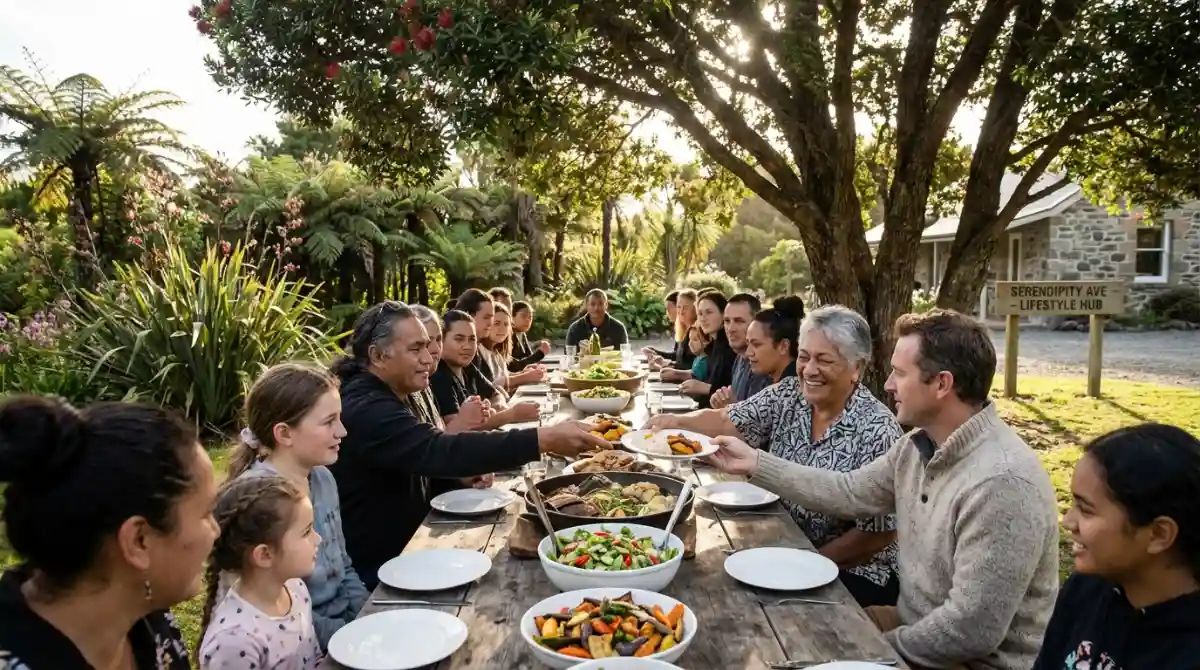
- Manaakitanga: This foundational value encompasses hospitality, generosity, and care for others. It’s about looking after people, ensuring visitors feel welcome and respected, and nurturing relationships within the community.
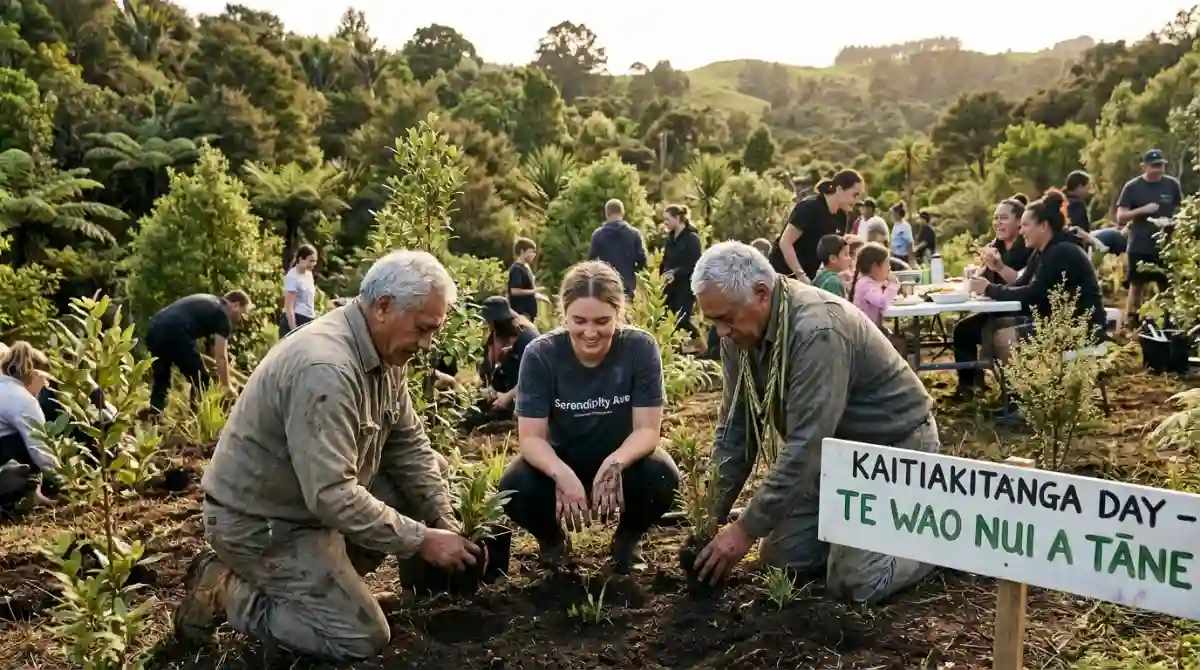
- Kaitiakitanga: Meaning guardianship and protection, particularly of the natural environment. Māori understand themselves as guardians of the land, sea, and sky, responsible for preserving their integrity for future generations. This concept is increasingly vital in global sustainability efforts.
- Whanaungatanga: Refers to kinship, relationship, and a sense of family connection. It extends beyond immediate family to the wider community, fostering a strong collective identity and mutual support.
- Tapu and Noa: These concepts define sacredness and ordinariness. Tapu relates to things that are sacred, restricted, or set apart, requiring respect and careful handling. Noa is the opposite, signifying ordinary, unrestricted, and common. Understanding these distinctions is key to cultural sensitivity.
“Māori values provide a blueprint for a life lived in harmony – with ourselves, with others, and with the natural world. They offer timeless wisdom that transcends cultural boundaries.”
Māori Art & Design in Modern NZ
Māori art is not merely decorative; it is a powerful medium for storytelling, identity, and the transmission of knowledge across generations. Today, its influence is visible across New Zealand, from high fashion to urban architecture, embodying both tradition and innovation.
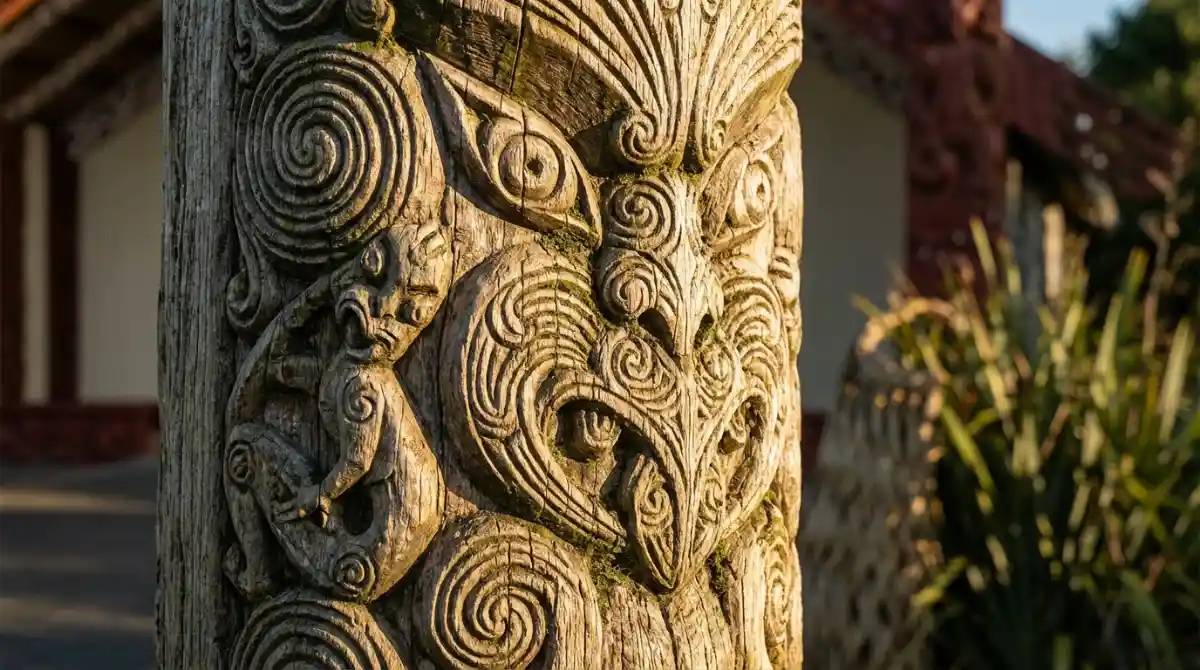
- Whakairo (Carving): Intricate carvings in wood, bone, and pounamu (greenstone) tell ancestral stories and adorn marae (meeting grounds), homes, and jewellery. Each spiral and line holds deep meaning.
- Raranga (Weaving): From delicate kete (baskets) to elaborate cloaks (kākahu) made from flax, weaving is a revered art form demonstrating skill, patience, and connection to the land.
- Tā Moko (Facial Tattoos): Far from being simply tattoos, tā moko are profound statements of identity, lineage, and status. They are a powerful visual representation of an individual’s whakapapa (genealogy) and journey.
- Kapa Haka (Performing Arts): The vibrant spectacle of kapa haka – including haka (posture dance), waiata (songs), and poi (ball on a cord) – is a dynamic expression of Māori spirit, history, and emotion.
Modern designers, artists, and architects frequently draw inspiration from Māori patterns, forms, and philosophies, creating contemporary works that honour the past while looking to the future. This fusion enriches New Zealand’s unique aesthetic identity.
Learning Te Reo Māori
The Māori language, Te Reo Māori, is a taonga (treasure) of New Zealand. Once facing decline, it has experienced a remarkable revitalisation, reflecting a national commitment to preserving indigenous identity and knowledge. Learning Te Reo Māori offers a deeper connection to the land and its people.
Did you know?
Recent statistics show that approximately 23% of New Zealand adults (over 185,000 people) can speak at least some Te Reo Māori, a significant increase over the last two decades. Government initiatives and community efforts continue to drive this cultural resurgence.
Numerous resources are available for those wishing to embark on this rewarding journey:
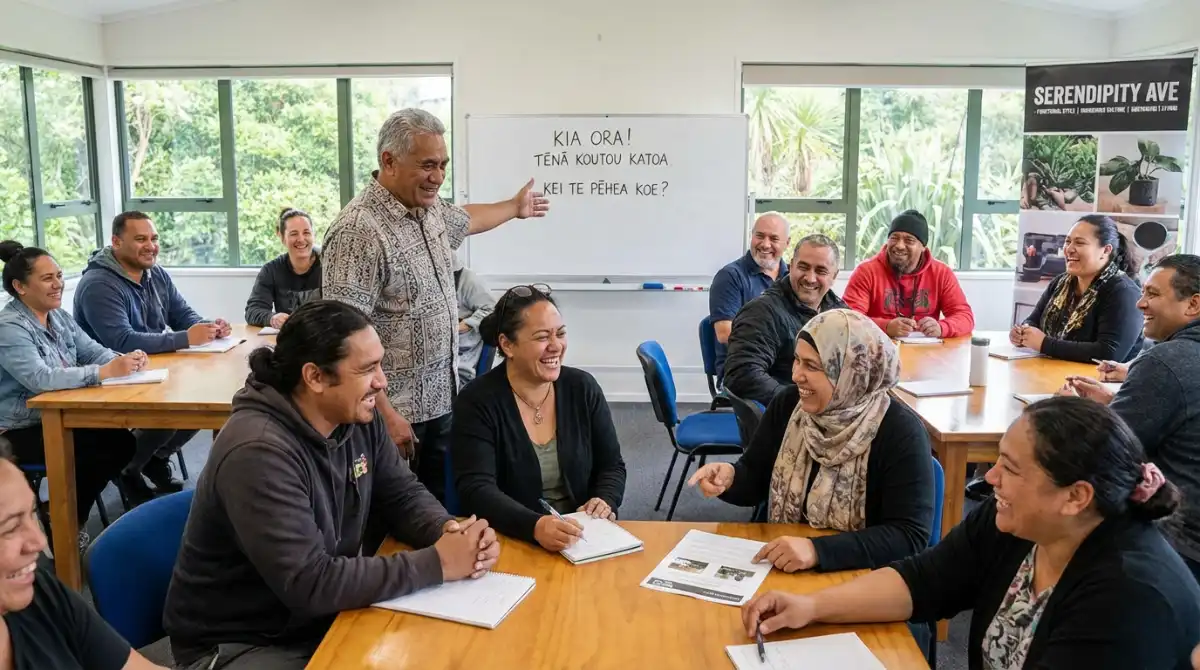
- Kura Kaupapa Māori and Kōhanga Reo: Immersion schools and early childhood centres are fundamental to language preservation, raising new generations fluent in Te Reo.
- Wānanga and Universities: Tertiary institutions offer formal qualifications and community courses in Te Reo Māori and Māori studies.
- Online Resources and Apps: Platforms like Te Aka Māori Dictionary, ReoMāori.co.nz, and various language learning apps make Te Reo accessible to everyone.
- Community Classes: Many local community centres and libraries offer beginner-friendly Te Reo courses.
Even learning simple phrases like Kia ora (hello/good health), Ka pai (good), or Ngā mihi (thanks) can open doors and show respect, fostering greater understanding and connection within Māori culture New Zealand.
Integrating Indigenous Wisdom into Daily Life
Embracing indigenous wisdom goes beyond academic understanding; it’s about incorporating its principles into how we live, work, and interact. For New Zealanders, this means actively seeking opportunities to honour and learn from Māori perspectives.
- Environmental Stewardship: Apply the principles of Kaitiakitanga by actively engaging in local conservation efforts, supporting sustainable practices, and advocating for the protection of natural resources. Consider your environmental footprint.
- Community and Connection: Foster Whanaungatanga by actively participating in your community, supporting local initiatives, and building strong, respectful relationships with neighbours and colleagues.
- Respectful Engagement: Learn about local iwi (tribes) and their history. When visiting Māori sites or events, be mindful of tikanga (customs and protocols). Showing respect for cultural practices is paramount.
- Support Māori Businesses: Seek out and support Māori-owned businesses, artists, and entrepreneurs. This directly contributes to the economic empowerment and cultural vitality of Māori communities.
- Cultural Sensitivity in Language: Incorporate Te Reo Māori into your daily vocabulary where appropriate, and ensure correct pronunciation of Māori place names and terms.
By consciously integrating these indigenous insights, we not only pay homage to the foundational culture of Aotearoa but also cultivate a more harmonious, inclusive, and sustainable society for all New Zealanders.
Frequently Asked Questions (FAQ)
What are the core values of Māori culture?
Core values include Manaakitanga (hospitality, generosity, care for others), Kaitiakitanga (guardianship of the environment), Whanaungatanga (kinship, strong community connection), and the concepts of Tapu (sacred) and Noa (ordinary).
How is Māori art relevant in modern New Zealand?
Māori art, encompassing carving, weaving, tā moko, and kapa haka, is highly relevant. It serves as a powerful means of storytelling, identity, and cultural expression. Its patterns and philosophies inspire contemporary New Zealand art, design, fashion, and architecture, contributing to a unique national aesthetic.
Where can I learn Te Reo Māori?
You can learn Te Reo Māori through various avenues, including kura kaupapa (immersion schools), wānanga (Māori tertiary institutions), university courses, community classes, online resources like Te Aka Māori Dictionary, and language learning apps.
How can I respectfully engage with Māori culture?
Respectful engagement involves learning about local iwi and their history, understanding and respecting tikanga (customs), using Te Reo Māori appropriately, supporting Māori businesses, and practicing environmental kaitiakitanga. Always approach with an open mind and a willingness to learn.
What is the significance of Aotearoa?
Aotearoa is the Māori name for New Zealand, commonly translated as ‘the land of the long white cloud.’ It signifies the deep historical and cultural connection Māori have with the land and is increasingly used as an inclusive name for the country, acknowledging its indigenous heritage.
References/Sources
- Te Ara – The Encyclopedia of New Zealand. (n.d.). Māori culture. Retrieved from teara.govt.nz
- Ministry for Culture and Heritage. (n.d.). Te Reo Māori – The Māori Language. Retrieved from mch.govt.nz
- Stats NZ. (2022). Māori language speakers on the rise. Retrieved from stats.govt.nz
- Mead, H. M. (2003). Tikanga Māori: Living by Māori Values. Huia Publishers.
- New Zealand Māori Arts and Crafts Institute. (n.d.). About Us. Retrieved from nzmaci.com