Minimalist Fashion Principles: Curating Your Sustainable Wardrobe in NZ
In the bustling world of fast fashion, a quieter, more thoughtful movement is gaining momentum, especially among New Zealand women seeking both style and substance. Minimalist fashion isn’t just a trend; it’s a philosophy that champions intentionality, sustainability, and personal expression. Imagine a wardrobe where every piece serves a purpose, sparks joy, and aligns with your values. For those navigating the unique landscape of ethical and practical fashion in New Zealand, embracing minimalist principles can transform not just your closet, but your entire approach to style.
What is Minimalist Fashion?
At its heart, minimalist fashion is about embracing simplicity and purpose. It’s a conscious choice to consume less, choose better, and create a wardrobe that serves you, rather than overwhelming you. For the modern New Zealand woman, this often translates into a capsule wardrobe: a collection of essential, timeless pieces that can be mixed and matched to create numerous outfits for various occasions.
It’s not about having *nothing*, but about having *enough* – and ensuring that each item truly reflects your style and values. This approach naturally aligns with sustainable living, reducing waste, and supporting ethical production, making minimalist fashion NZ a powerful choice for eco-conscious consumers.
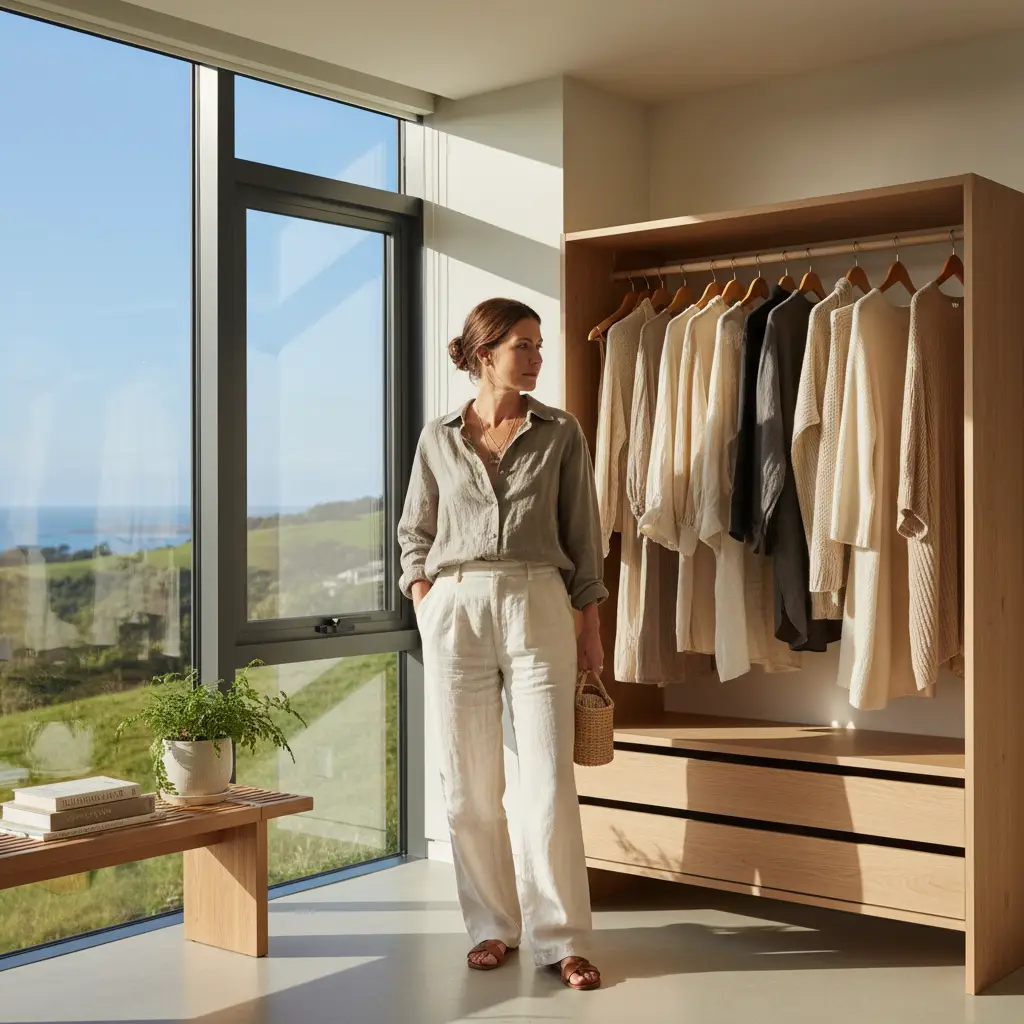
Decluttering Your Wardrobe: A Step-by-Step Guide
The first crucial step on your journey to minimalist fashion is a thorough wardrobe detox. This isn’t just about throwing things out; it’s about re-evaluating your relationship with your clothes and making intentional choices. Follow these steps to transform your closet:
1. Empty Everything Out
Take every single item out of your wardrobe and drawers. Yes, every single one! Lay it all out on your bed or floor. This gives you a clear, often overwhelming, visual of everything you own.
2. Create ‘Keep’, ‘Donate/Sell’, and ‘Discard’ Piles
Go through each item individually. Ask yourself:
- Does it fit well?
- Have I worn it in the last 6-12 months?
- Does it make me feel good?
- Does it align with my current style and lifestyle?
- Is it in good condition?
Be ruthless but honest. If it doesn’t meet most criteria, it likely belongs in the ‘Donate/Sell’ or ‘Discard’ pile. Consider local NZ charities or second-hand stores for donations.
3. Identify Your Core Colours and Silhouettes
Look at your ‘Keep’ pile. What colours dominate? What styles do you gravitate towards? This exercise helps you understand your aesthetic preferences and what truly makes up your core wardrobe. Neutral colours (black, white, grey, navy, beige) are often the foundation of minimalist fashion in NZ due to their versatility.
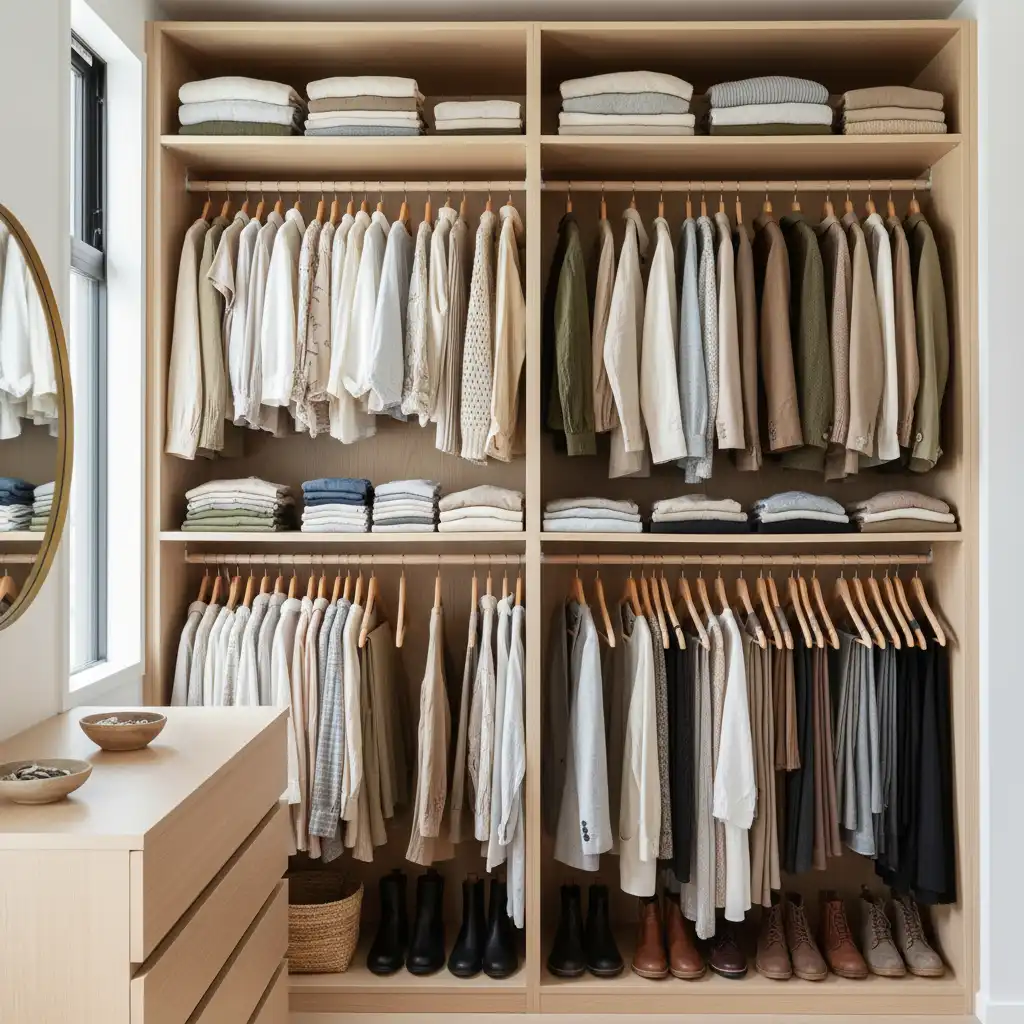
4. Organise and Store Mindfully
Once you have your curated collection, return items to your wardrobe in an organised manner. Use hangers, drawer dividers, and clear bins to keep everything visible and accessible. A tidy wardrobe makes choosing outfits a breeze.
Investing in Quality Over Quantity
A cornerstone of minimalist fashion is the shift from disposable trends to enduring quality. Instead of buying many cheap items that quickly wear out, the focus is on fewer, well-made pieces that stand the test of time. This approach offers significant benefits:
- Durability: Quality garments last longer, reducing the need for frequent replacements.
- Sustainability: Less consumption means less waste and a smaller environmental footprint.
- Better Fit & Feel: Well-crafted clothing often looks and feels superior, boosting your confidence.
- Cost-Effectiveness: While the initial investment might be higher, the cost-per-wear often proves to be lower over time.
“Buy less, choose well, make it last.” – Vivienne Westwood. This sentiment perfectly encapsulates the ethos of ethical and minimalist fashion NZ. Seek out brands committed to quality materials and responsible manufacturing.
The Power of Versatile Pieces
To build a truly functional minimalist wardrobe, versatility is key. Each item should ideally be able to be styled in multiple ways for different occasions. Think about:
- Neutral Colours: These are easily mixed and matched, forming a cohesive base for any outfit.
- Classic Silhouettes: Timeless cuts and styles won’t go out of fashion, making them long-term investments.
- Layering Potential: Especially important for New Zealand’s varied climate, choose pieces that can be layered up or down. Merino wool, for instance, is a fantastic, naturally versatile fabric common in NZ.
- Day-to-Night Adaptability: Can a simple dress be dressed up with accessories for an evening out, or kept casual for a daytime event?
A truly versatile item gives you options, reducing the need for a vast array of single-purpose garments. This is fundamental to creating an effective minimalist fashion NZ wardrobe.
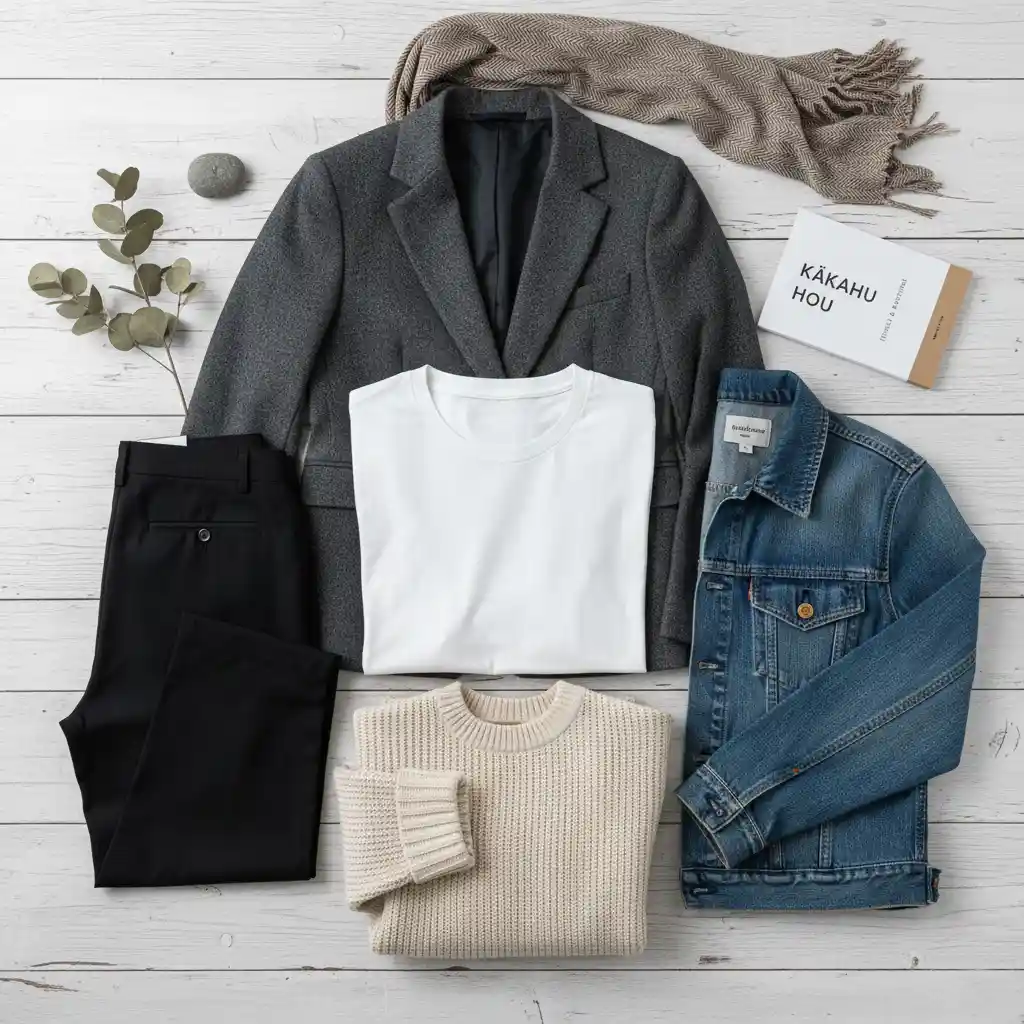
Building a Signature Minimalist Look
Minimalist fashion isn’t about conformity; it’s about distilling your personal style down to its most authentic essence. Your signature minimalist look should feel effortlessly ‘you’.
Start by identifying what makes you feel comfortable, confident, and true to yourself. Do you prefer clean lines, earthy tones, or a pop of colour? What fabrics do you love? By focusing on these elements, you can create a cohesive aesthetic that speaks volumes without a crowded wardrobe. Accessories play a vital role here – a quality scarf, a statement piece of ethical jewellery, or a well-chosen bag can transform a simple outfit.
Developing your signature style ensures that even with fewer items, your wardrobe is rich in character and truly represents the unique New Zealand woman you are.
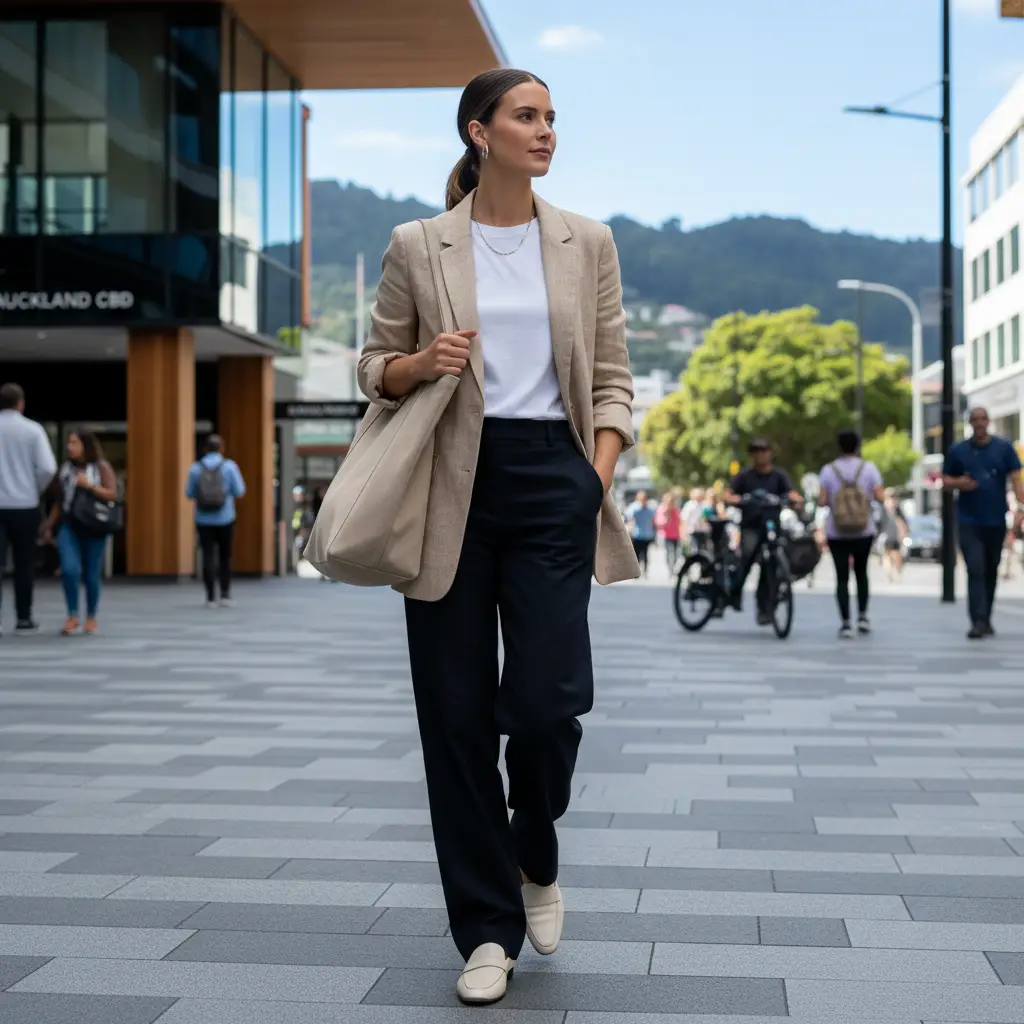
Your Minimalist Fashion Action Plan
Ready to embrace minimalist fashion in your life? Here’s a checklist to guide your journey:
- Schedule Your Declutter Day: Block out time for a thorough wardrobe audit.
- Define Your Style: Pinpoint your preferred colours, silhouettes, and overall aesthetic.
- Research Ethical Brands: Look for New Zealand brands or international brands available in NZ that prioritise sustainability and quality.
- Create a Wishlist: Identify key versatile items that would complete your capsule wardrobe before making new purchases.
- Practice Intentional Shopping: Only buy items you truly love, need, and know will integrate seamlessly into your existing wardrobe.
- Care for Your Clothes: Extend the life of your garments through proper washing, mending, and storage.
Frequently Asked Questions (FAQ)
What is the basic principle of minimalist fashion?
The basic principle of minimalist fashion is to curate a functional wardrobe with fewer, high-quality, versatile pieces that can be easily mixed and matched. It prioritises intentionality, sustainability, and personal style over fleeting trends and excessive consumption.
How do I start a minimalist wardrobe in NZ?
Begin by decluttering your current wardrobe, identifying what you truly wear and love. Focus on purchasing versatile, high-quality items in neutral colours that suit New Zealand’s climate and your lifestyle. Look for ethical local brands where possible and commit to intentional shopping.
Does minimalist fashion mean only wearing neutral colours?
While neutral colours are often a foundational element for their versatility, minimalist fashion doesn’t strictly mean *only* wearing neutrals. You can incorporate accent colours that complement your personal palette and signature style. The goal is cohesion and intentionality, not strict adherence to a colour rule.
Is minimalist fashion sustainable?
Yes, minimalist fashion inherently promotes sustainability by encouraging less consumption, investing in durable goods, and reducing textile waste. When combined with choosing ethical brands and caring for your clothes, it’s a highly sustainable approach to personal style.
References/Sources
- The Sustainable Fashion Glossary. (n.d.). Sustainable Fashion Glossary.
- Project 333: The Minimalist Fashion Challenge. (n.d.). Be More With Less.
- Textile Waste in New Zealand. (2022). Ministry for the Environment. (General reference to NZ environmental policy on waste).
- The Wardrobe Crisis. (n.d.). The Wardrobe Crisis.