History Of NZ Fashion
What You Will Learn
Explore the comprehensive history of NZ fashion, from ancient Māori traditions to global sustainability pioneers. Discover iconic designers and cultural influences.
Unravelling the Tapestry: A Comprehensive History of NZ Fashion
New Zealand fashion, often celebrated for its distinct blend of innovation, practicality, and indigenous influence, boasts a rich and fascinating journey. For more specific insights and advice, explore our NZ Fashion & Style Guides. Far from being a mere footnote in global style, the history of NZ fashion is a vibrant narrative of adaptation, creativity, and self-expression, deeply woven into the fabric of Aotearoa’s cultural identity. From the intricate weaving traditions of Māori ancestors to the bold, sustainable designs gracing international runways today, understanding this evolution offers a unique lens into the nation’s heart and soul.
Join us as we embark on a comprehensive exploration of New Zealand’s sartorial past, tracing the influences, milestones, and visionary designers who have shaped its distinctive aesthetic. Prepare to discover why ‘Kiwi’ style resonates globally and continues to push boundaries.
Table of Contents
- What is the History of NZ Fashion?
- Key Influences Shaping New Zealand Fashion
- Conclusion
- Frequently Asked Questions About the History of NZ Fashion
- References and Further Reading
What is the History of NZ Fashion?
The journey of New Zealand fashion is a testament to resilience, innovation, and a profound connection to its unique landscape and bicultural heritage. It’s a story that unfolds across centuries, each era contributing distinct threads to the rich textile of ‘Kiwi’ style.
Early Māori Traditions: The Foundation of Aotearoa’s Style
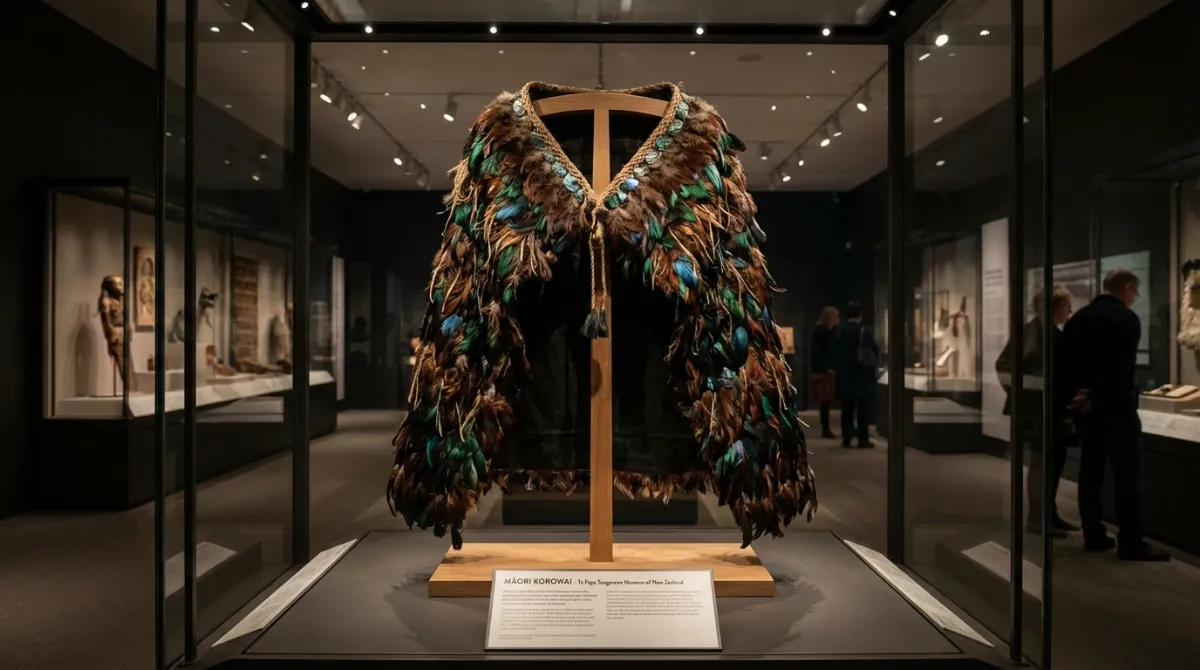
Long before European settlement, Māori were sophisticated weavers and crafters, creating garments that were both functional and deeply symbolic. Traditional clothing, primarily made from harakeke (flax), feathers, and muka (processed flax fibre), served practical purposes for warmth and protection, while also signifying status, whakapapa (genealogy), and tribal identity. The korowai (feather cloak) and kākahu (cloak) were exquisite examples of this artistry, often taking years to complete, incorporating intricate patterns and natural dyes.
The weaving traditions of Māori not only provided practical attire but also embodied a deep spiritual connection to the land and ancestral knowledge, influencing forms of artistic expression that continue to inspire contemporary designers today.
Colonial Influences & Practicality: Adapting to a New Land
With European colonisation from the early 19th century, New Zealand fashion began to mirror British styles. Settlers brought with them corsets, crinolines, and tailored suits, attempting to maintain European decorum in a rugged, often challenging environment. However, the realities of colonial life — farming, gold mining, and building communities — quickly necessitated a more practical approach. Workwear for NZ Climates became paramount, leading to adaptations that favoured durability and ease of movement over strict adherence to fashion dictates. This era laid the groundwork for a pragmatic streak that remains a hallmark of NZ design.
Mid-20th Century: The Emergence of Local Design
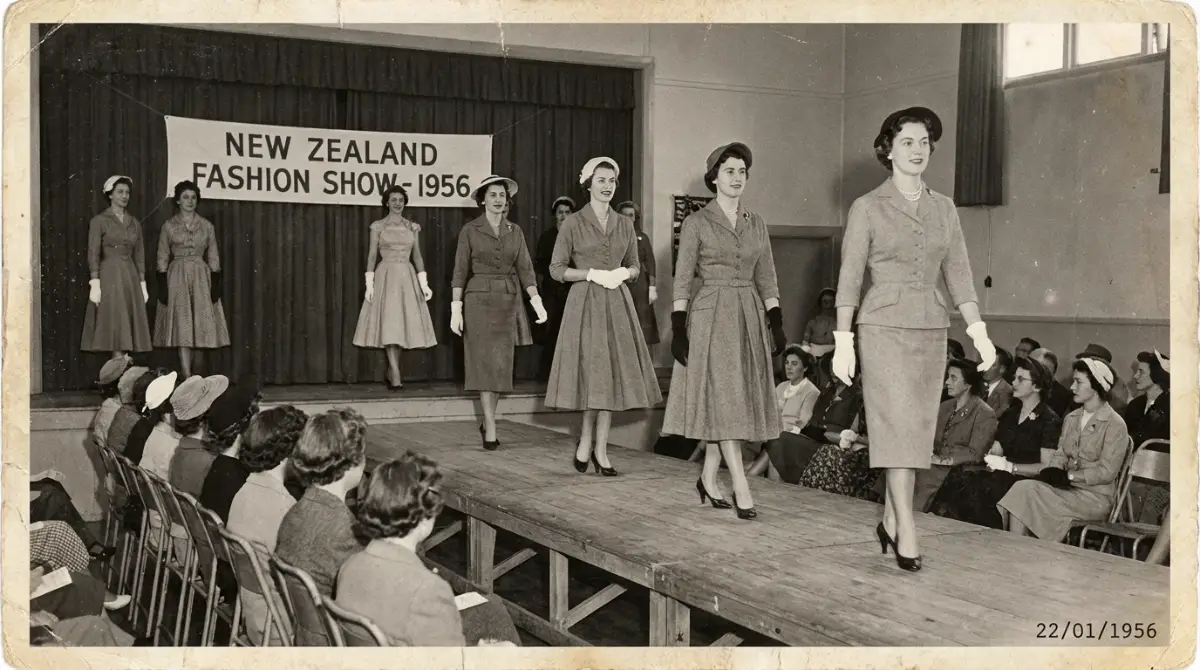
The post-World War II period saw a burgeoning sense of national identity and, consequently, the gradual development of a distinctive local fashion industry. Designers like Babs Radon, Fenwick Fashions, and Mick Innes began to establish local labels, creating ready-to-wear collections, including popular Best NZ Dresses, that catered to New Zealand women. These designers often interpreted international trends with a distinctly Kiwi sensibility, incorporating local materials like wool and adapting designs for a more casual, outdoor-oriented lifestyle. This period was crucial in establishing manufacturing capabilities and fostering a ‘buy local’ ethos.
The 70s & 80s: Boldness, Individuality, and Independence
The 1970s and 80s marked a significant shift towards greater independence in New Zealand fashion. Influenced by global counter-culture movements but filtered through a unique South Pacific lens, designers began to experiment more freely. The rise of boutique labels and independent designers challenged the more conservative styles of previous decades. This era saw a greater embrace of colour, natural fibres, and looser silhouettes. The increasing visibility of Māori and Pacific Island cultures also began to subtly influence mainstream fashion, leading to more diverse aesthetics.
By the late 1980s, New Zealand’s fashion industry was contributing significantly to the national economy, with exports growing as international buyers began to notice the distinctive quality and style emerging from Aotearoa.
The 90s to Today: Global Recognition and a Sustainable Future
The 1990s was a watershed decade for the history of NZ fashion, as designers like Karen Walker, Nom*D, Zambesi, and World garnered international acclaim. Their ability to fuse avant-garde aesthetics with wearable luxury, often incorporating a dark, intellectual edge and a commitment to quality, captivated global audiences. New Zealand Fashion Week, established in 2001, provided a vital platform for both established and emerging talent, showcasing the country’s unique design perspective on a global stage, including the latest Fashion Trends NZ 2024.
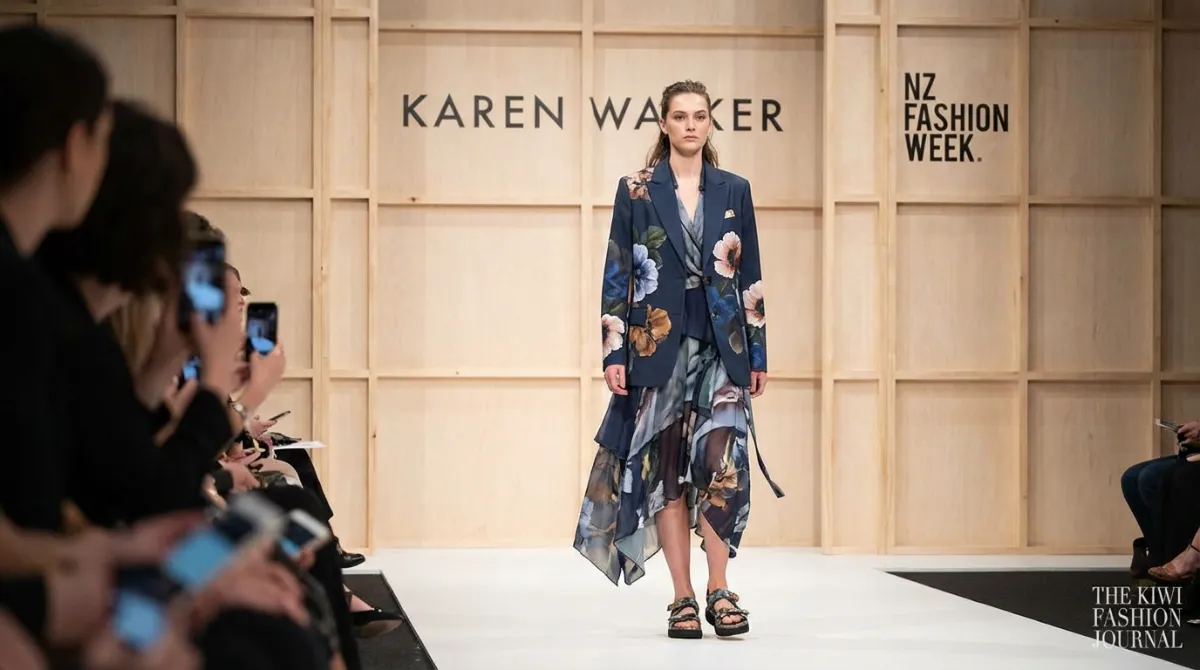
Today, New Zealand fashion is increasingly defined by its strong commitment to sustainability, ethical production, and a continued dialogue with Māori culture. Designers are pioneering innovations in eco-friendly materials and transparent supply chains, positioning NZ as a leader in responsible fashion. The industry continues to thrive on creativity, resourcefulness, and a deep appreciation for its bicultural heritage and pristine environment.
Key Influences Shaping New Zealand Fashion
The distinctive character of NZ fashion isn’t accidental; it’s a product of several powerful, interconnected influences that have shaped its trajectory.
Indigenous Heritage and Māori Design
Māori art forms, symbolism, and cultural values are an enduring source of inspiration. From traditional weaving techniques and patterns to the philosophies of kaitiakitanga (guardianship) and manaakitanga (hospitality), indigenous heritage profoundly influences contemporary designers, fostering a unique aesthetic that is instantly recognisable as authentically New Zealand.
The Natural Environment and Outdoor Lifestyle
New Zealand’s breathtaking landscapes — mountains, forests, and coastlines — foster a lifestyle that prioritises practicality, comfort, and a connection to nature. This translates into fashion that is often functional, made from natural fibres, and incorporates elements suitable for an active, outdoor-oriented populace, without sacrificing style.

Geographic Isolation and the ‘Kiwi’ Spirit
Historically, New Zealand’s isolation fostered a spirit of self-reliance and innovation. This ‘can-do’ attitude permeates the fashion industry, leading designers to forge their own paths, often experimenting with unconventional materials and approaches, rather than strictly following international trends. It creates a fertile ground for unique, independent voices.
Commitment to Sustainability and Ethics
In recent decades, New Zealand has emerged as a global leader in sustainable fashion. Driven by a deep respect for the environment and a strong sense of social responsibility, many designers and brands are committed to ethical production, using organic materials, reducing waste (a movement bolstered by services like Fashion Rental NZ Reviews), and ensuring fair labour practices. This commitment is becoming a core tenet of the NZ fashion identity.
Conclusion
The history of NZ fashion is a compelling journey from indigenous artistry and colonial practicality to global recognition and a sustainable future. It’s a narrative shaped by its unique geography, bicultural identity, and an unwavering spirit of innovation. New Zealand fashion stands as a proud testament to how a small island nation can create a significant impact on the world stage, offering designs that are not only aesthetically captivating but also deeply meaningful. As it continues to evolve, expect New Zealand fashion to remain at the forefront of conscious creativity, inspiring with its blend of heritage, innovation, and an inherent connection to Aotearoa.
Frequently Asked Questions About the History of NZ Fashion
- What are the earliest forms of fashion in New Zealand? The earliest forms of fashion in New Zealand were traditional Māori garments, primarily made from harakeke (flax), muka (processed flax fibre), and feathers. These included various cloaks like the korowai, designed for warmth, protection, and cultural significance.
- When did New Zealand fashion start gaining international recognition? New Zealand fashion began to gain significant international recognition in the 1990s, with designers like Karen Walker, Nom*D, Zambesi, and World making their mark on global runways and in leading fashion publications.
- How has Māori culture influenced New Zealand fashion? Māori culture has profoundly influenced New Zealand fashion through traditional weaving techniques, symbolic patterns, and philosophies such as kaitiakitanga (guardianship of the environment). Many contemporary designers draw inspiration from these elements, integrating them into modern designs and advocating for sustainable practices.
- What role does sustainability play in modern New Zealand fashion? Sustainability plays a crucial and growing role in modern New Zealand fashion. Driven by a strong connection to nature and a commitment to ethical practices, many NZ designers are pioneers in using eco-friendly materials, reducing waste, and ensuring transparent, fair-trade production methods.
- Is there a specific ‘New Zealand style’? While diverse, a general ‘New Zealand style’ often encompasses practicality, understated elegance, a connection to nature, and an independent spirit. For Styling Tips for NZ Fashion, it frequently blends casual comfort with sophisticated design, using natural fibres and often incorporating unique cultural influences.
References and Further Reading
- Te Papa Tongarewa. (n.d.). Māori Clothing and Adornment. Retrieved from tepapa.govt.nz
- Fashion Quarterly. (n.d.). The History of New Zealand Fashion. Retrieved from fashionquarterly.co.nz
- Ministry for Culture and Heritage. (2012). Fashion and Textile Industry. Te Ara – The Encyclopedia of New Zealand. Retrieved from teara.govt.nz
- New Zealand Fashion Week. (n.d.). About NZFW. Retrieved from nzfashionweek.com
- Walker, K. (2020). New Zealand Fashion: A Cultural History. Auckland University Press.