Fair Trade Fashion NZ: Your Guide to Ethical Style in Aotearoa
In a world increasingly aware of its interconnectedness, the choices we make, especially concerning what we wear, hold significant weight. For New Zealand women, the desire for style often comes hand-in-hand with a commitment to values. This is where Fair Trade Fashion NZ steps in, offering a pathway to a wardrobe that looks good, feels good, and does good for people and the planet. Join us on a journey to discover how ethical fashion is reshaping the industry right here in Aotearoa.
Moving beyond fleeting trends, conscious consumption in fashion means understanding the story behind our clothes – from the fields where fibres are grown to the hands that stitch them. Fair Trade principles ensure that this story is one of dignity, respect, and environmental stewardship. Ready to transform your closet into a force for positive change?
Table of Contents
What is Fair Trade in Fashion?
At its core, Fair Trade in fashion is about creating a more equitable and sustainable global economy. It’s a trading partnership, based on dialogue, transparency, and respect, that seeks greater equity in international trade. For the fashion industry, this translates into a commitment to specific principles that protect both people and the planet.
Key Fair Trade principles include:
- Fair Wages: Ensuring workers receive a living wage, not just minimum wage, allowing them to cover basic needs.
- Safe and Healthy Working Conditions: A commitment to environments free from hazardous chemicals, discrimination, and forced labour.
- No Child Labour or Forced Labour: Strict adherence to international labour laws.
- Environmental Protection: Encouraging sustainable farming practices, responsible waste management, and reducing environmental impact.
- Empowerment: Supporting democratic decision-making and collective bargaining for workers.
- Transparency and Accountability: Openness about supply chains and practices.
“Fair Trade isn’t just a label; it’s a movement towards dignity, respect, and sustainability across the entire fashion supply chain.”
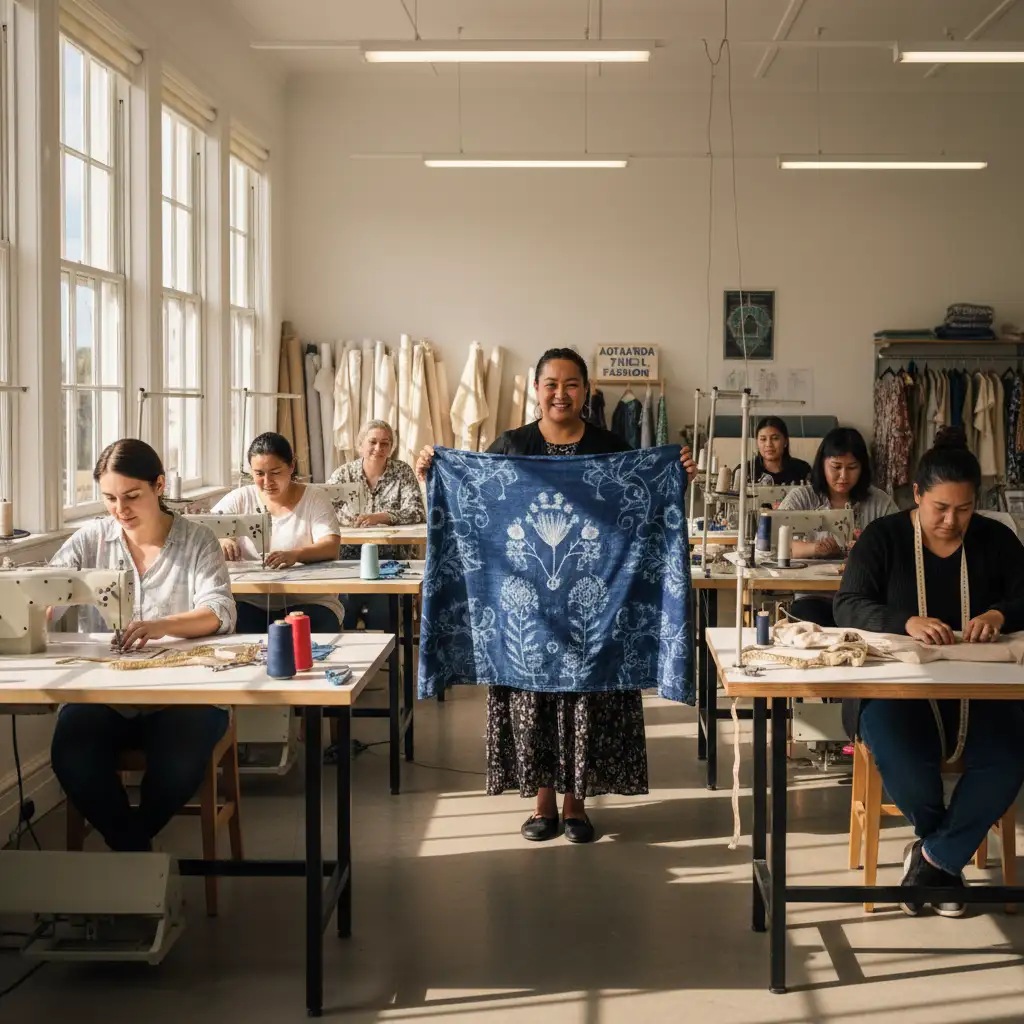
The Impact of Fair Trade on Workers & Communities
The ripple effect of choosing Fair Trade fashion extends far beyond the garment itself. It directly improves the lives of millions of farmers, artisans, and factory workers in developing countries, often empowering women who form the backbone of the global textile industry.
Stat Callout:
Empowering Women: Fair Trade practices often lead to significant advancements in gender equality. Studies show that over 70% of Fair Trade certified farmers are women, who gain more control over their income and community decisions. This directly impacts their families’ access to education, healthcare, and nutrition.
Beyond individual wages, Fair Trade also invests in communities. A portion of Fair Trade sales, often called the ‘Fair Trade Premium,’ is paid directly to producer communities. They democratically decide how to invest this money, leading to vital community projects such as:
- Building schools and providing scholarships for children.
- Funding healthcare clinics and sanitation facilities.
- Developing sustainable agricultural practices and improving infrastructure.
- Investing in training and skill development programs.
Stat Callout:
Poverty Reduction: Fair Trade initiatives have been shown to reduce extreme poverty in producer communities by up to 30%, thanks to stable incomes and community investments. This stability allows families to plan for the future, breaking cycles of poverty.
Recognizing Fair Trade Certifications
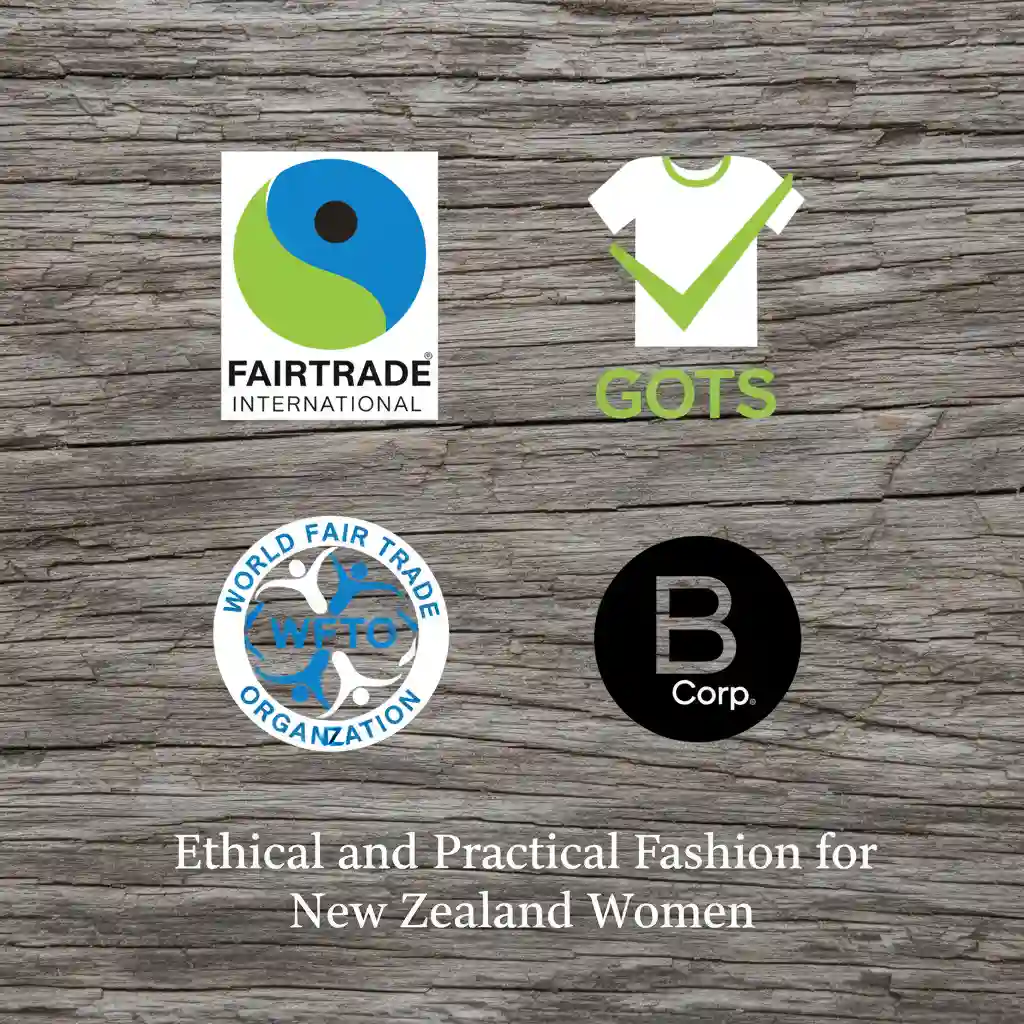
Navigating the ethical fashion landscape can be complex, but certifications act as trusted guides. These labels signify that a product or brand has met stringent social, economic, and environmental standards verified by independent third parties. When you’re searching for fair trade fashion in NZ, look for these symbols:
- Fairtrade International (FLO): One of the most widely recognized certifications, particularly for commodities like cotton. It focuses on fair prices, decent working conditions, and local sustainability.
- Global Organic Textile Standard (GOTS): While primarily focused on organic fibres, GOTS also includes strict environmental and social criteria throughout the entire textile supply chain, ensuring fair labour practices.
- World Fair Trade Organization (WFTO) Guaranteed Fair Trade: This label certifies entire organisations, not just individual products, ensuring a holistic commitment to Fair Trade principles across their entire business model.
- B Corporation (B Corp): Certified B Corporations meet high standards of verified social and environmental performance, public transparency, and legal accountability to balance profit and purpose. Many ethical fashion brands are B Corps.
- OEKO-TEX STeP: Focuses on sustainable textile production, assessing environmental performance, social responsibility, and health and safety.
Understanding these labels empowers you to make informed decisions and confidently support brands truly committed to ethical practices. It helps cut through greenwashing and ensures your purchases align with your values.
Fair Trade Clothing Brands Available in NZ
The good news for women in New Zealand is that the selection of fair trade and ethically produced clothing is growing. While not all brands may be solely ‘Fair Trade certified’ across every garment, many are deeply committed to these principles through various certifications and transparent supply chains. Here are a few to explore:
- Little Yellow Bird: A New Zealand success story, Little Yellow Bird offers organic cotton workwear and basics, all Fairtrade certified and with a transparent supply chain. They are a B Corp, focusing on environmental and social impact.
- Kowtow: An internationally recognised NZ brand, Kowtow creates beautiful, minimalist clothing from 100% Fairtrade certified organic cotton. Their commitment to ethical production is woven into every piece.
- Thunderpants: Based in New Zealand, Thunderpants produces organic cotton underwear and apparel with a strong focus on ethical local manufacturing and worker welfare. While not strictly ‘Fairtrade International’ certified, their local production ensures fair wages and conditions.
- Nisa: An inspiring Wellington-based brand that makes organic cotton underwear and activewear, Nisa employs women from refugee backgrounds, providing them with meaningful work and support. Their focus on local, ethical production aligns with fair trade values.
- Common Good: Offering a curated selection of ethical and sustainable brands, Common Good is a great online destination to discover a wider range of fair trade fashion available to New Zealand consumers.
These brands represent a movement towards fashion that truly cares. By supporting them, you’re not just buying clothes; you’re investing in a better future for the people who make them.
How to Be a Conscious Consumer: Your Step-by-Step Guide
Embracing fair trade fashion in NZ is a journey, not a destination. Every step you take, no matter how small, contributes to a more ethical industry. Here’s how you can become a more conscious consumer:
-
Step 1: Look for Certifications & Transparency
Always check product labels and brand websites for the certifications mentioned earlier (Fairtrade, GOTS, WFTO, B Corp). If a brand doesn’t have a certification, look for clear information on their supply chain, worker conditions, and environmental policies. Transparency is key.
-
Step 2: Research Brands Thoroughly
Don’t just take a brand’s word for it. Use resources like the Ethical Fashion Guide (Baptist World Aid) or Good On You app to check their ratings. A quick Google search for “[Brand Name] ethical practices” can reveal a lot.
-
Step 3: Prioritize Quality Over Quantity
Invest in fewer, higher-quality pieces that are made to last. This reduces waste, supports skilled craftsmanship, and often means you’re supporting brands with better production standards. The slow fashion movement advocates for this approach.
-
Step 4: Support Local & Global Initiatives
Seek out New Zealand brands committed to local ethical production, as well as international brands with strong Fair Trade credentials. Your purchasing power is your vote for the kind of fashion industry you want to see.
-
Step 5: Advocate for Change
Talk to friends and family about fair trade fashion. Share articles, engage with brands on social media, and ask retailers tough questions. Your voice helps raise awareness and drives demand for more ethical options.
The Future of Fashion in Aotearoa
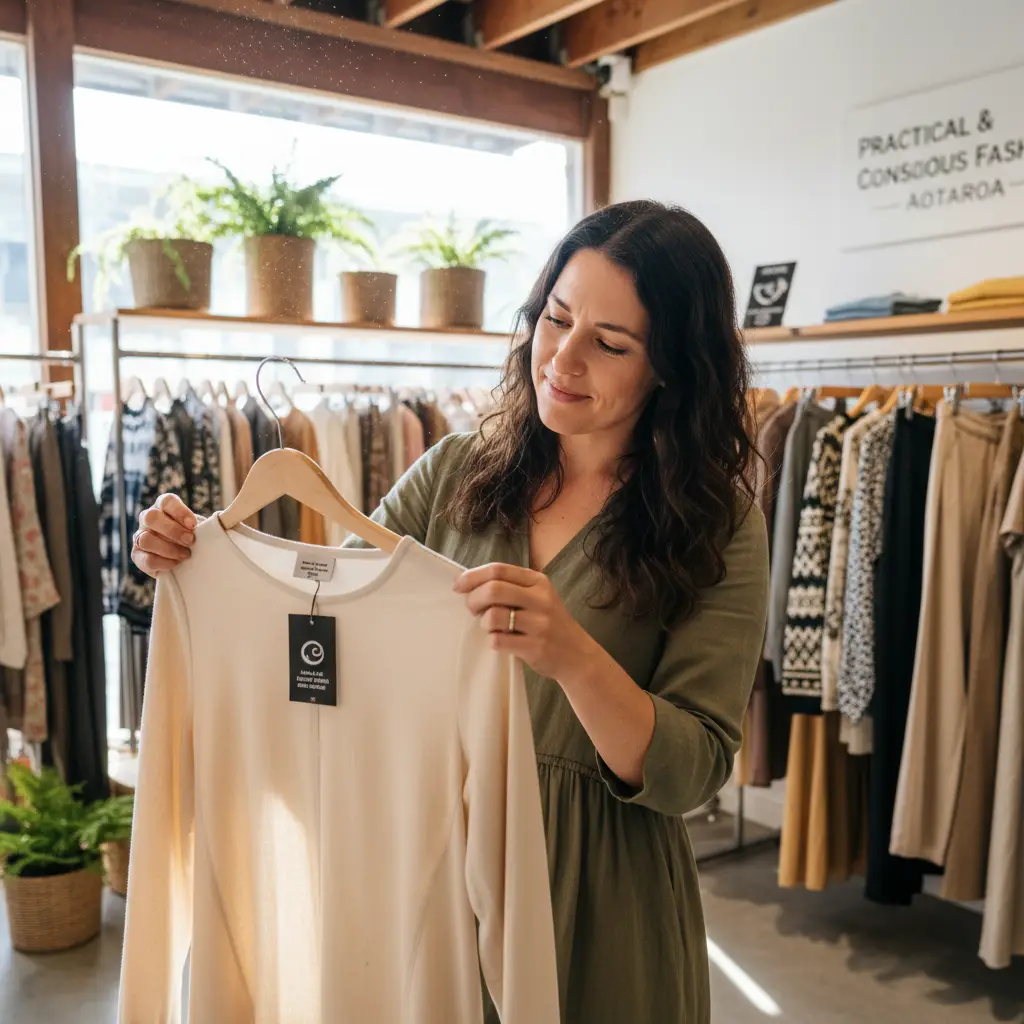
The landscape of fair trade fashion in NZ is evolving rapidly. More New Zealand women are demanding transparency, ethical production, and sustainable choices from the brands they support. This collective shift empowers local designers and retailers to embrace Fair Trade principles, proving that style and ethics can not only coexist but thrive together.
Every fair trade purchase you make sends a clear message: that the well-being of garment workers and the health of our planet matter. By continuing to choose consciously, we are collectively weaving a stronger, fairer, and more beautiful future for fashion, both in New Zealand and across the globe.

Frequently Asked Questions (FAQ)
What does “Fair Trade” mean in the context of fashion?
In fashion, Fair Trade means that clothing is produced according to strict social, environmental, and economic standards. This includes paying living wages, ensuring safe working conditions, prohibiting child labour, and protecting the environment throughout the supply chain.
Why is Fair Trade fashion more expensive?
Fair Trade fashion often has a higher price point because it reflects the true cost of production. This includes paying fair living wages to workers, investing in safe facilities, using sustainable materials, and often supporting community development projects, rather than cutting corners for cheap labour or materials.
How can I identify genuine Fair Trade products in NZ?
Look for internationally recognized certifications like Fairtrade International, GOTS (Global Organic Textile Standard) with social criteria, WFTO (World Fair Trade Organization) Guarantee Mark, or B Corp certification. Many ethical New Zealand brands will also clearly state their ethical practices on their websites, even if not every garment carries a specific label.
Are there many Fair Trade clothing options specifically for New Zealand women?
Yes, the market for fair trade fashion in NZ is growing! Several local brands like Little Yellow Bird, Kowtow, and Nisa are dedicated to ethical production, alongside international brands available through various retailers. A little research will reveal many stylish and ethical choices.
What is the difference between “ethical” and “Fair Trade” fashion?
“Ethical fashion” is a broader term encompassing all aspects of responsible production, including environmental impact, animal welfare, and social welfare. “Fair Trade fashion” is a specific subset of ethical fashion that focuses on ensuring fair prices, fair working conditions, and community development for producers, particularly in developing countries, often backed by specific certifications.
References/Sources
- Fairtrade International. (n.d.). Fairtrade Textiles Standard.
- World Fair Trade Organization. (n.d.). The 10 Principles of Fair Trade.
- Global Organic Textile Standard. (n.d.). About GOTS.
- B Lab. (n.d.). What are B Corps?
- Baptist World Aid Australia. (n.d.). Ethical Fashion Report.
- Oxfam New Zealand. (n.d.). Fair Trade Initiatives.