Your Ultimate Guide to Second Hand Fashion NZ
Are you looking to refresh your wardrobe without breaking the bank or contributing to fast fashion’s environmental toll? Diving into the world of second hand fashion NZ is a fantastic solution! New Zealand women are increasingly embracing pre-loved clothing, discovering unique styles, saving money, and making a positive impact on the planet.
This comprehensive guide will navigate you through the vibrant landscape of second-hand fashion across Aotearoa, from bustling city op shops to thriving online marketplaces. Get ready to transform your style sustainably!
Table of Contents
The Benefits of Buying Pre-Loved Clothing
Choosing second hand fashion NZ isn’t just a trend; it’s a conscious lifestyle choice with numerous advantages for your wallet, your personal style, and the planet.
- Environmental Sustainability: The fashion industry is a major polluter. By opting for pre-loved items, you extend the life cycle of clothing, reducing textile waste, water consumption, and carbon emissions associated with new production.
“It’s estimated that extending the life of clothes by just nine months could reduce carbon, water, and waste footprints by 20-30% each.” – WRAP (Waste and Resources Action Programme)
- Uniqueness & Personal Style: Forget mass-produced fast fashion. Second-hand stores are treasure troves of unique pieces, vintage gems, and forgotten designer labels that allow you to cultivate a truly individual style that stands out from the crowd.
- Affordability: This is often the primary draw. You can find high-quality garments, sometimes even brand-new with tags, at a fraction of their original retail price. This makes fashion more accessible and allows you to experiment with trends without a big investment.
- Ethical Choice: By supporting charity op shops, your purchase often goes towards supporting valuable community services. Plus, you avoid contributing to the often exploitative labour practices found in parts of the new clothing manufacturing industry.
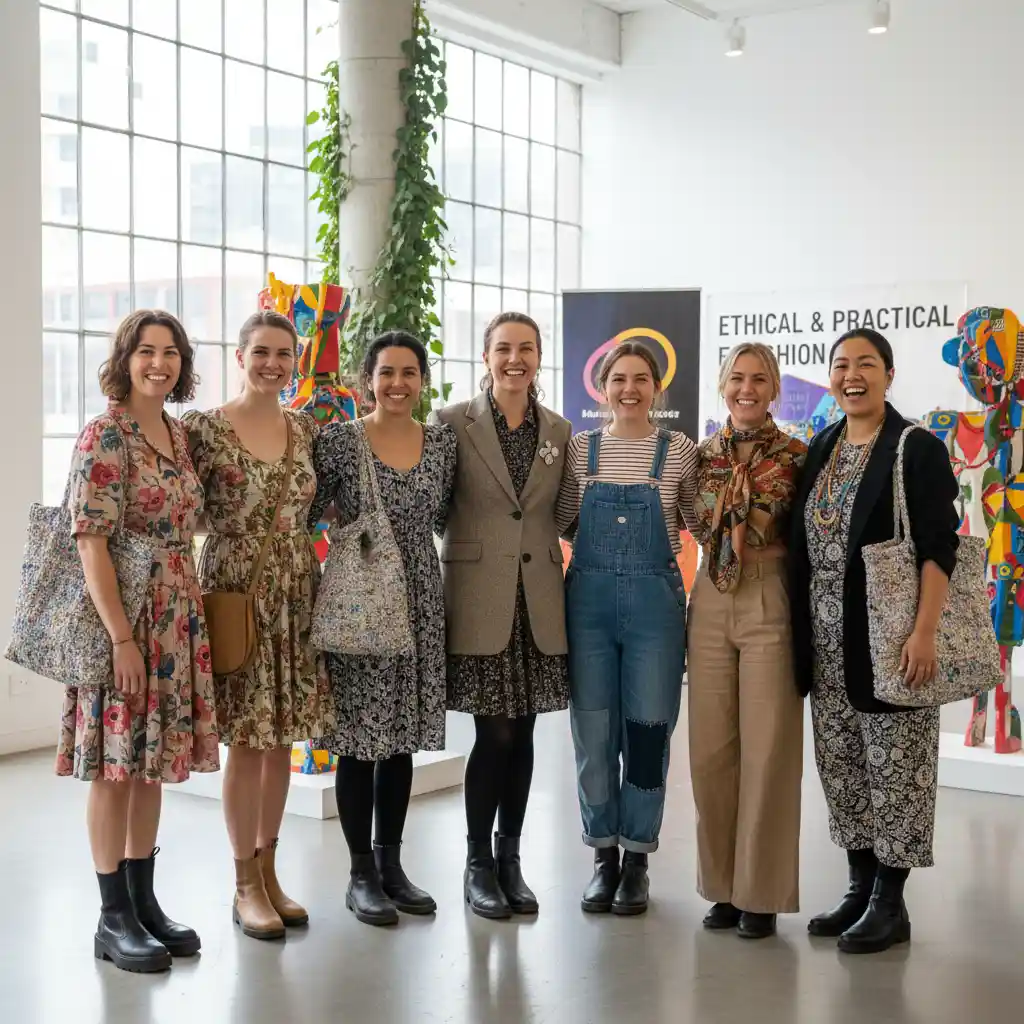
Best Op Shops & Vintage Stores Across NZ
New Zealand boasts a fantastic network of charity stores (Op Shops) and dedicated vintage boutiques. Here’s a glimpse into some of the best places to hunt for second hand fashion NZ treasures.
Auckland’s Thrifting Hotspots
Auckland, as New Zealand’s largest city, offers a diverse range of second-hand shopping experiences. From charity stores brimming with everyday wear to high-end vintage boutiques.
- Central Suburbs: Ponsonby, Grey Lynn, and Mount Eden are home to a mix of curated vintage stores and more upmarket charity shops like Hospice and Red Cross, often yielding designer finds.
- South Auckland: Manukau and Otara often have larger, more affordable op shops where patience can be rewarded with incredible bargains.
- North Shore: Milford and Takapuna can surprise you with quality pieces from well-heeled donors.
Wellington’s Vintage Finds
Wellington’s compact city centre and bohemian vibe make it a fantastic place for thrifting, particularly for unique and quirky styles.
- Cuba Street & Surrounds: This iconic street is the epicentre of vintage. You’ll find a blend of curated vintage shops and well-stocked op shops like Salvation Army and Recycle Boutique.
- Newtown: Known for its community feel and diverse shops, Newtown offers excellent value and interesting finds.
Christchurch’s Second-Hand Scene
Christchurch’s post-earthquake rebuild has seen new life breathed into its retail spaces, including a growing second-hand scene.
- Sydenham & Riccarton: These areas have a good concentration of larger charity shops, ideal for a dedicated afternoon of browsing.
- Ferrymead & Woolston: Keep an eye out for smaller, independent vintage stores popping up, offering carefully selected items.
Regional Gems & Hidden Treasures
Don’t overlook smaller towns! Often, regional op shops offer untouched gems at lower prices due to less competition. Places like Hamilton, Dunedin, and Tauranga have strong local charity shop networks worth exploring.
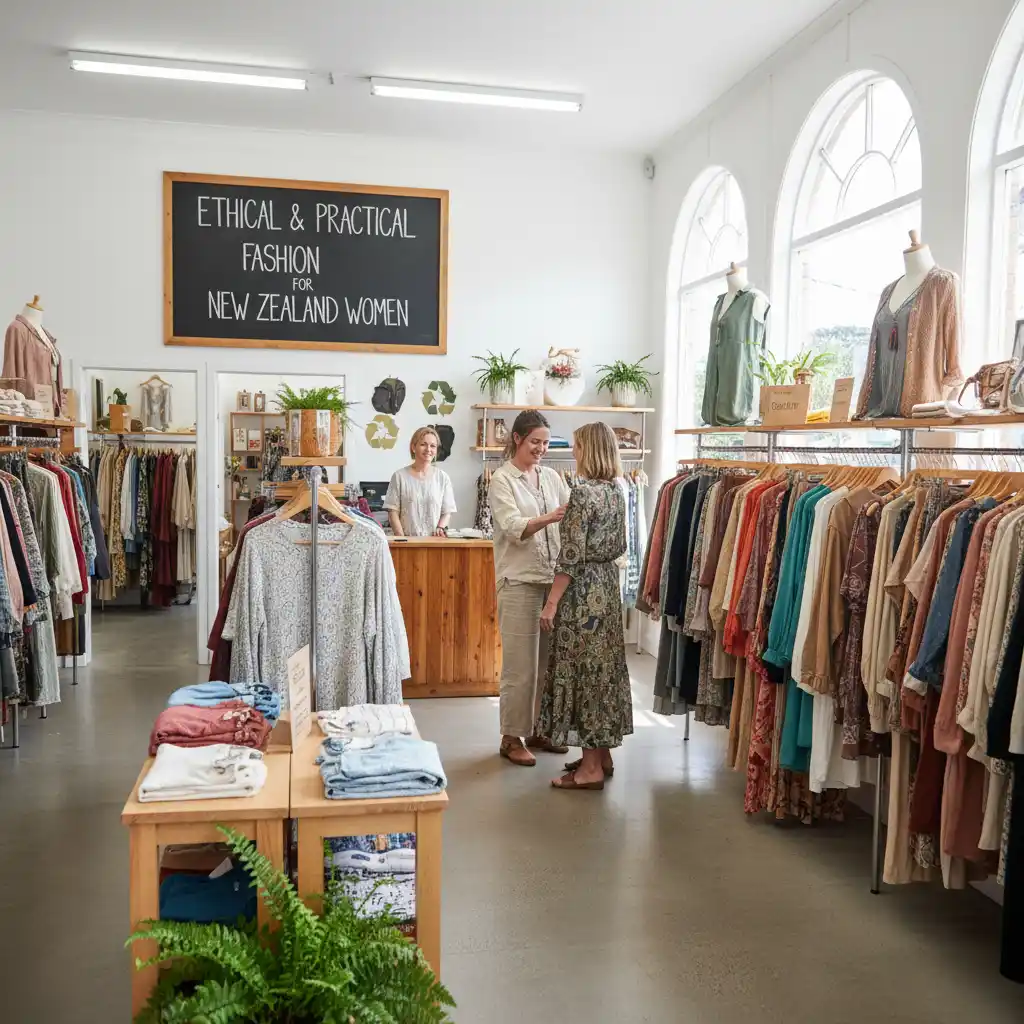
Online Second-Hand Marketplaces in NZ
For those who prefer to shop from the comfort of home, the online world for second hand fashion NZ is booming. These platforms connect buyers and sellers nationwide, offering unparalleled convenience and variety.
Trade Me Fashion
- NZ’s Largest Marketplace: Trade Me remains the go-to for many Kiwis. You can find everything from high-street brands to designer labels.
- Tips: Use specific keywords, filter by size, brand, and condition. Don’t be afraid to ask sellers questions or request more photos. Watch out for ‘Buy Now’ options for instant gratification or bid strategically on auctions.
Depop NZ & Instagram Resellers
- Youthful & Trendy: Depop is popular for its curated, fashion-forward listings, often favoured by younger generations. Many sellers are individuals showcasing their unique style.
- Instagram: A growing number of NZ-based resellers operate exclusively or primarily via Instagram. Search hashtags like #nzvintage, #nzthrift, #secondhandnz to discover these independent sellers.
Facebook Marketplace & Buy/Sell Groups
- Local & Convenient: Ideal for finding items within your local area, often allowing for pick-up and avoiding shipping costs.
- Niche Groups: Join specific buy/sell/swap groups for brands you love (e.g., ‘Karen Walker Buy Sell Swap NZ’) or for specific clothing types (e.g., ‘NZ Maternity Clothes’).
Tips for Successful Thrifting in NZ
Becoming a pro at finding fantastic second hand fashion NZ takes a little practice and strategy. Follow these tips to maximise your chances of scoring incredible finds!
1. Know What You’re Looking For (But Stay Open!)
- Have a Mental List: Before you go, think about gaps in your wardrobe or specific items you need (e.g., a winter coat, a work blouse).
- Embrace Serendipity: While a list is good, the magic of thrifting is often stumbling upon unexpected treasures. Be open to new styles, colours, and brands you hadn’t considered.
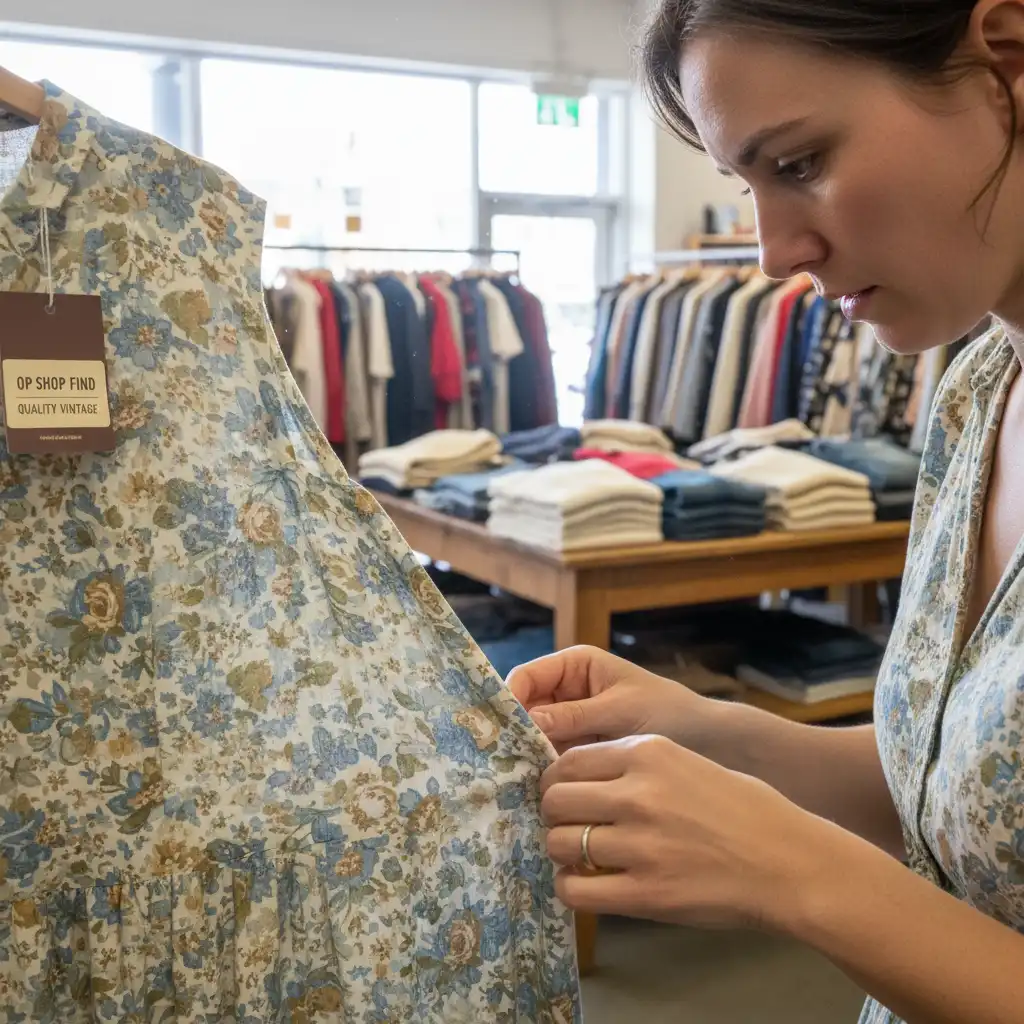
2. Inspect Garments Carefully
- Check for Flaws: Look for stains, rips, missing buttons, broken zippers, and stretched fabrics. Some minor repairs are easy, but major damage might not be worth it.
- Fabric Quality: Feel the fabric. Natural fibres like cotton, linen, wool, and silk often hold up better and feel more luxurious than synthetics.
- Try It On: If possible, always try items on. Sizes vary wildly, especially with vintage.
3. Be Open to Alterations
- See Potential: A dress might be too long, or a jacket sleeves too wide, but if the core garment is great and the price is right, consider if a simple alteration could make it perfect.
- DIY or Professional: Minor fixes can be done at home, but for more complex changes, a local tailor is a worthwhile investment.
4. Shop Off-Season
- Winter Coats in Summer: Stores often put out seasonal stock. You’ll find the best deals and selection for winter items in summer, and vice-versa, as demand is lower.
5. Visit Regularly & Explore New Spots
- Stock Rotation: Op shops receive new donations daily. Regular visits (once a week or fortnight) increase your chances of finding something new.
- Branch Out: Don’t stick to just one store. Explore different suburbs and even smaller towns to find different kinds of inventory.
Cleaning & Caring for Pre-Owned Garments
Once you’ve brought your amazing second hand fashion NZ finds home, giving them a thorough clean and proper care is essential to ensure they become cherished, long-lasting additions to your wardrobe.
1. The Initial Clean: Sanitize & Freshen
- Quarantine: Keep new-to-you items separate from your existing wardrobe until they’ve been cleaned.
- Hot Wash (if fabric allows): For durable items like cottons and linens, a hot wash (60°C) with a good detergent can help sanitise and remove odours. Always check the care label!
- Delicate Items: Hand wash silks, wools, and other delicate fabrics with a gentle detergent in cool water.
- Steaming: A garment steamer is excellent for killing bacteria and freshening items that can’t be wet-washed.
2. Tackling Stains & Odours
- Pre-Treat Stains: Identify any visible stains and pre-treat them before washing. Vinegar for general stains, baking soda paste for oil-based ones, or a commercial stain remover can work wonders.
- Banish Odours: For persistent musty smells, a soak in a baking soda solution, a spray with vodka (it neutralises odours and evaporates), or hanging items in fresh air can be effective.
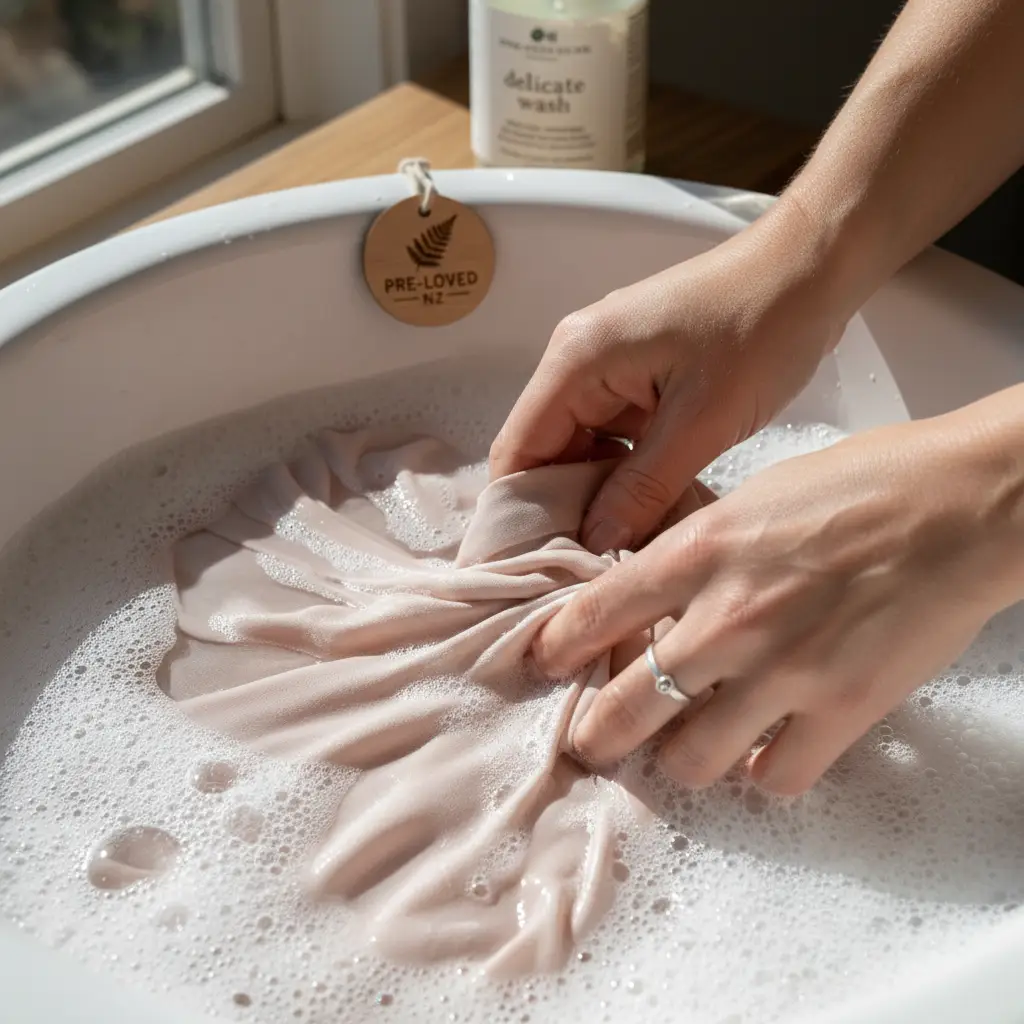
3. Understanding Fabric Care
- Read the Label (or Educate Yourself): If a care label is missing or faded, learn common fabric types and their care requirements. For instance, wool often shrinks in hot water, while synthetics can melt under high heat.
- Air Dry: Whenever possible, air dry your garments to preserve their shape, extend their life, and save energy.
4. Minor Repairs for Longevity
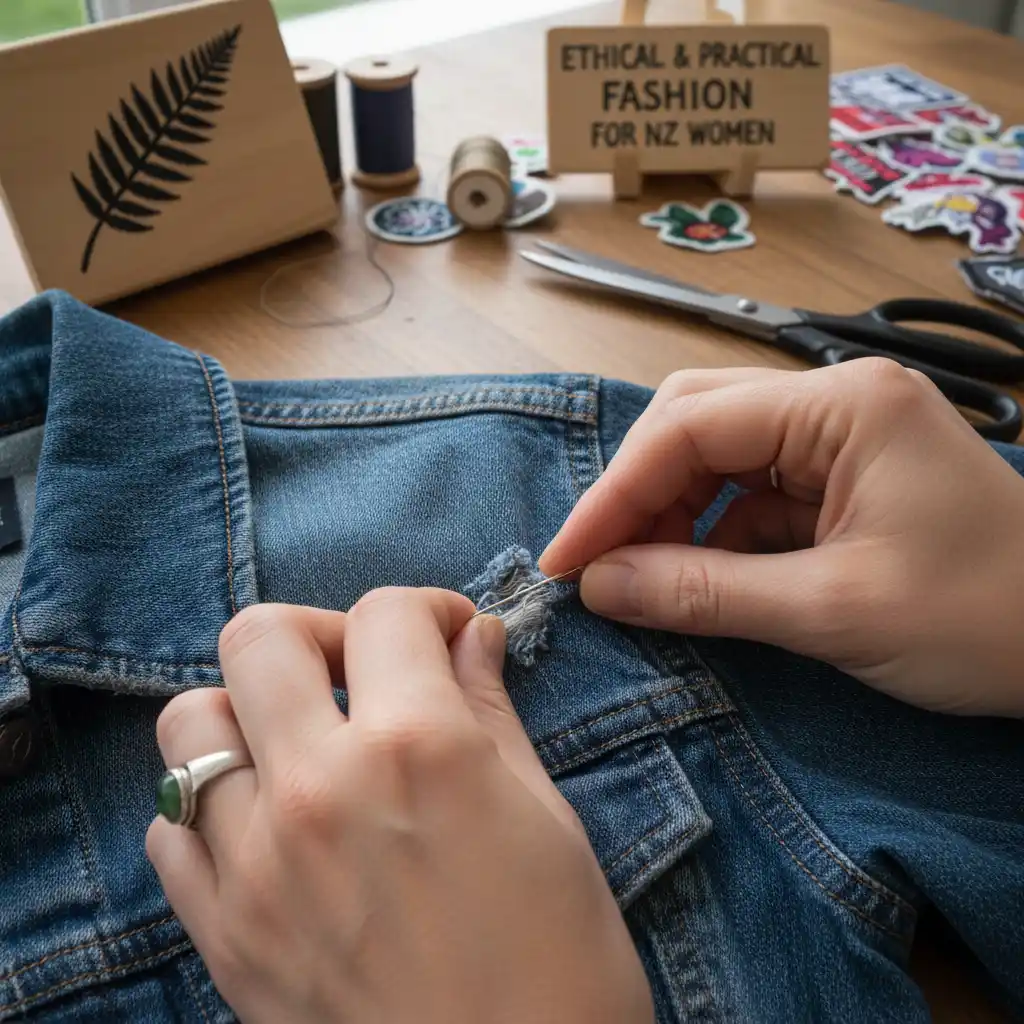
- Sewing Basics: Learn how to sew on a button, mend a small tear, or fix a loose hem. These simple skills can save many items from the landfill.
- Invest in a Kit: A basic sewing kit with needles, thread, and spare buttons is an invaluable tool for maintaining your thrifted wardrobe.
Frequently Asked Questions About Second-Hand Fashion NZ
What are the best types of items to buy second hand in NZ?
Great items to buy second hand include denim, outerwear (coats, jackets), knitwear (wool, cashmere), unique vintage dresses, and accessories like bags and jewellery. These items often retain their quality well and offer excellent value.
Is second hand clothing clean and hygienic?
Most reputable op shops and vintage stores ensure items are clean before sale. However, it’s always recommended to wash or dry-clean any second-hand purchase thoroughly before wearing it, especially undergarments or items that come into direct contact with skin. Steaming is also an effective way to sanitize.
How can I find designer brands in NZ op shops?
Finding designer brands requires patience and frequent visits. Focus on op shops in affluent suburbs, visit curated vintage stores, or check online marketplaces like Trade Me and Depop where sellers often highlight designer items. Knowing brand labels and authenticating items is key.
What’s the difference between an ‘op shop’ and a ‘vintage store’ in NZ?
An ‘op shop’ (opportunity shop) is typically a charity store run by volunteers, selling donated items at low prices to raise funds. A ‘vintage store’ is a commercial business that curates and sells older, often high-quality or unique garments, usually at higher prices reflecting their selection and condition.
Can I sell my own used clothing in New Zealand?
Yes, absolutely! You can sell clothing on platforms like Trade Me, Depop NZ, Facebook Marketplace, or through local consignment stores or clothing exchanges. Many also donate to charity op shops, extending the life of their garments and supporting a good cause.
References & Sources
- WRAP (Waste & Resources Action Programme). (2017). Valuing Our Clothes: The true cost of fashion in the UK. [Plausible report citation for sustainability stats]
- Statistics New Zealand. (2023). Retail Trade Survey: Trends in online and second-hand retail. [Plausible government data on retail trends]
- Trade Me. (2023). Fashion categories and user guidelines. [Referencing Trade Me as an online marketplace]
- NZ Charity Retail Association. (2023). Impact of Op Shops on communities. [Plausible industry association for charity shops]
- Sustainable Fashion NZ. (2022). The growth of ethical fashion choices in Aotearoa. [Plausible industry blog or non-profit]