Stepping Sustainably: Your Guide to Ethical Footwear in NZ
Are you on the hunt for sustainable footwear NZ wide that aligns with your values without compromising on style or comfort? You’re not alone. New Zealand women are increasingly seeking shoes that not only look good and last long but also tread lightly on our planet and support ethical practices. This comprehensive guide will walk you through everything you need to know, from innovative materials to local brands and the art of shoe care, ensuring every step you take contributes to a better future.
Table of Contents
Eco-Friendly Materials in Footwear
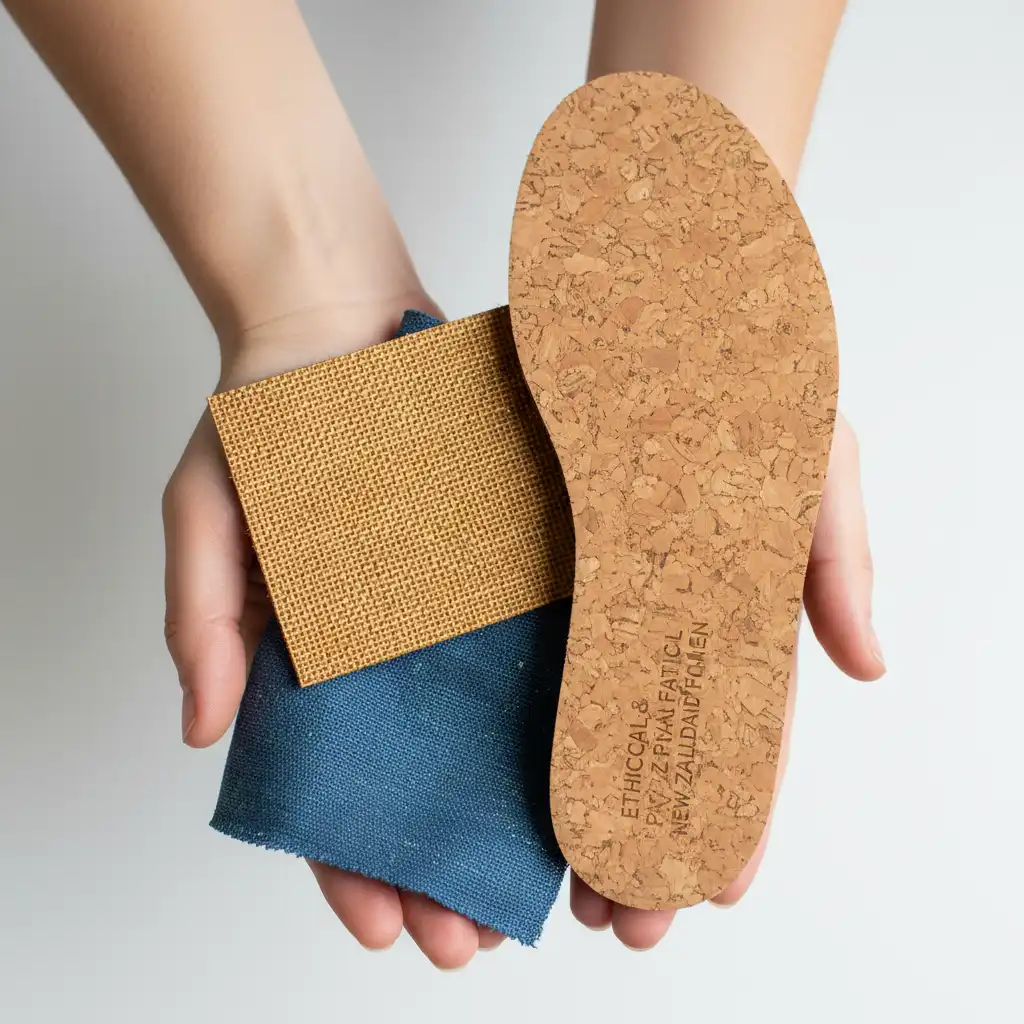
The foundation of any truly sustainable shoe lies in its materials. Traditional footwear often relies on environmentally intensive resources like virgin plastics, petroleum-based synthetics, and chemically tanned leather. However, a new wave of innovation is bringing forth materials that drastically reduce ecological impact.
What to Look For:
- Recycled & Upcycled Materials: Think sneakers made from recycled plastic bottles (rPET), fishing nets, or even old tires for soles. This diverts waste from landfills and oceans.
- Natural & Renewable Resources: Organic cotton, hemp, natural rubber, cork, and Tencel (made from wood pulp) are biodegradable and require less water and fewer pesticides in production.
- Innovative Bio-materials: Mushroom leather (Mycelium), pineapple leather (Piñatex), apple leather, and even grape waste are revolutionising leather alternatives, offering durability without animal products or petrochemicals.
- Water-Based Adhesives & Dyes: Minimise toxic chemicals in the production process, protecting workers and ecosystems.
Choosing shoes made from these materials is a powerful way to support a circular economy and reduce your carbon footprint. When you’re searching for sustainable footwear NZ, always check the material composition.
The fashion industry is responsible for 10% of global carbon emissions, and footwear contributes significantly. Opting for materials like recycled polyester can reduce energy consumption by up to 59% compared to virgin polyester.
NZ Brands Leading the Way in Sustainable Shoes
New Zealand is home to a growing number of innovative brands committed to creating ethical and eco-conscious footwear. These companies often prioritise local production, transparent supply chains, and unique designs that resonate with the Kiwi lifestyle.
Spotlight on Kiwi Innovators:
- ‘Allbirds’ (Global but NZ-founded): While now a global player, Allbirds started in NZ, revolutionising comfort with natural materials like Merino wool, eucalyptus tree fibre, and sugarcane soles. They lead the charge in transparent carbon footprint labelling.
- ‘Minx Shoes’: Known for their handcrafted leather shoes, Minx is increasingly focusing on ethical sourcing of leathers and introducing more sustainable components in their designs, striving for longevity and quality.
- ‘Chaos & Harmony’: This Bay of Plenty brand offers beautifully designed footwear, with a commitment to quality that extends the life of their shoes. They work with ethical factories and focus on timeless styles to combat fast fashion.
- Emerging Micro-Brands: Keep an eye out for smaller, local artisans who often use upcycled materials or focus on made-to-order models to minimise waste. Searching for “local sustainable footwear NZ makers” can unearth hidden gems.
When supporting these brands, you’re not just buying a pair of shoes; you’re investing in local economies, responsible manufacturing, and a more sustainable future for New Zealand.

Vegan & Cruelty-Free Footwear Options
For many, sustainability goes hand-in-hand with animal welfare. Vegan and cruelty-free footwear avoids all animal-derived materials, including leather, suede, wool, silk, and even certain glues. The good news is that the quality and variety of vegan options have exploded in recent years.
Beyond Animal Products:
- Plant-Based Leathers: Piñatex (pineapple), apple leather, mushroom leather, and cactus leather offer luxurious, durable, and breathable alternatives to traditional leather.
- Recycled Synthetics: High-quality recycled PU (polyurethane) and microfibers can mimic the look and feel of leather while being made from recycled content. Always check for certifications to ensure they are truly recycled and durable.
- Natural Fabrics: Organic cotton, hemp, and linen provide breathable and comfortable options for casual shoes and sneakers.
“Choosing vegan footwear isn’t just about animals; it’s often about embracing innovation in sustainable materials that leave a smaller ecological footprint overall.”
When seeking sustainable footwear NZ that is also vegan, look for clear labelling and certifications from organisations like PETA-Approved Vegan. This ensures peace of mind that no animal products were used in any part of the shoe’s construction.
Repairing vs. Replacing Your Shoes
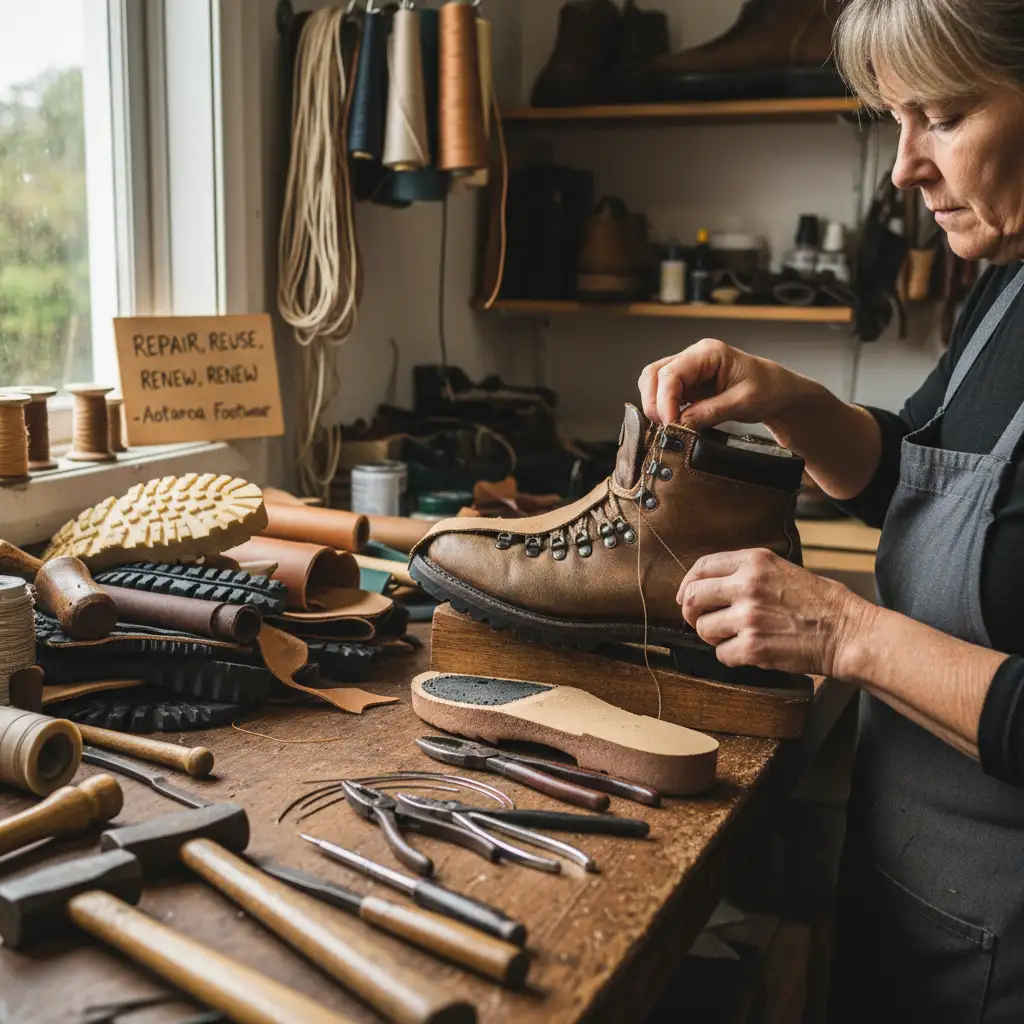
One of the most impactful sustainable choices you can make is to extend the life of your existing items. Shoes, often built with many components, are prime candidates for repair rather than immediate replacement.
The Benefits of Repair:
- Reduces Waste: Prevents shoes from ending up in landfills prematurely.
- Saves Resources: Avoids the energy and materials needed to produce a new pair.
- Cost-Effective: Often cheaper than buying new shoes.
- Supports Local Artisans: Keeps traditional cobbler skills alive in your community.
- Sentimental Value: Keeps your favourite, most comfortable shoes in circulation.
Many common issues, such as worn soles, broken heels, loose stitching, or stretched elastic, can be expertly mended by a skilled cobbler. Investing in high-quality, repairable shoes from the outset is a key strategy for long-term sustainability.
An estimated 300 million pairs of shoes are thrown away in the UK alone each year. Extending the life of your shoes by just 9 months can reduce their carbon, water, and waste footprints by 20-30%.
Ethical Considerations in Shoe Production
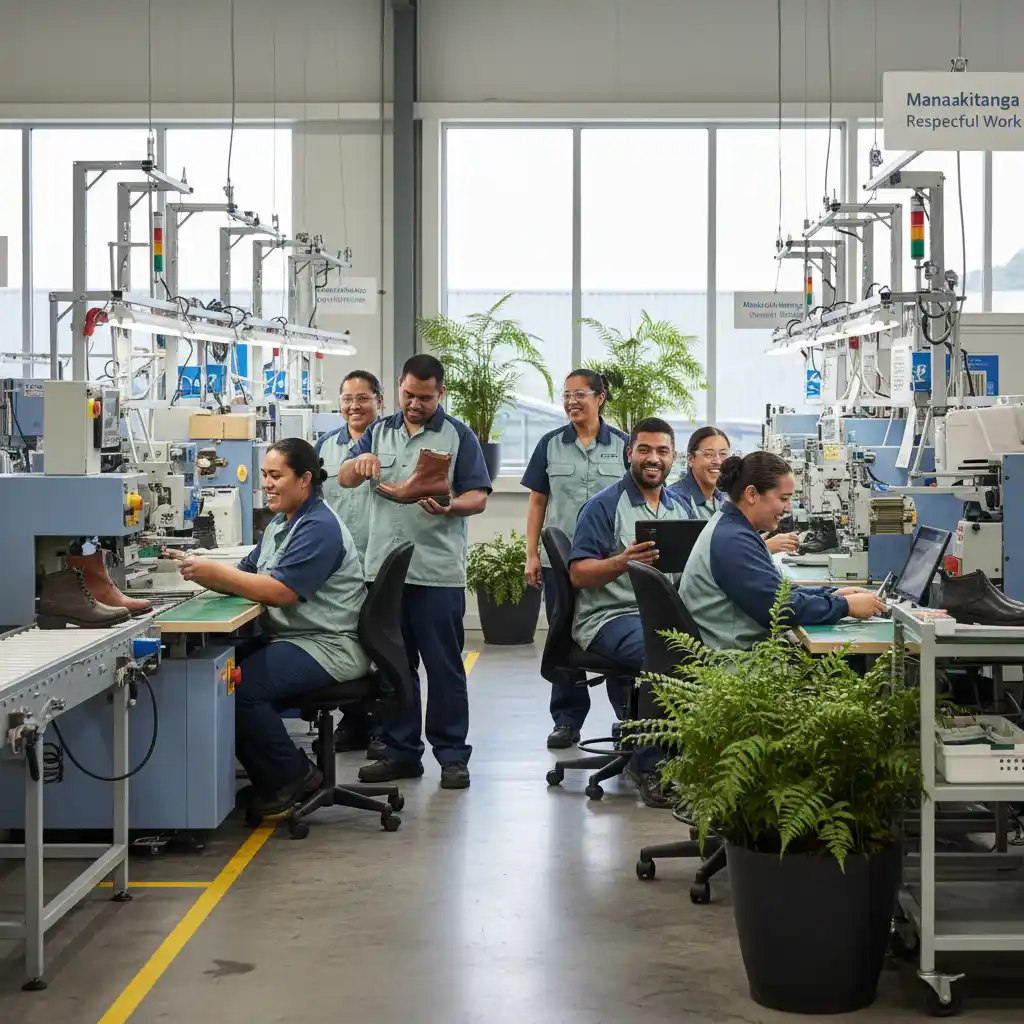
Beyond materials and repair, the ethical treatment of workers throughout the supply chain is a critical component of truly sustainable footwear NZ. The production of shoes often involves complex global supply chains, making transparency essential.
What to Prioritise:
- Fair Wages & Working Conditions: Look for brands that ensure their factory workers are paid a living wage, work reasonable hours, and operate in safe environments, free from forced or child labour.
- Supply Chain Transparency: Brands that openly share information about their factories, material suppliers, and auditing processes are generally more accountable.
- Environmental Management: Beyond eco-friendly materials, consider a brand’s efforts to minimise water pollution from dyes, manage waste, and reduce energy consumption in their manufacturing facilities.
- Certifications: Organisations like Fair Trade, B Corp, and the Global Organic Textile Standard (GOTS) offer valuable third-party verification of ethical and environmental standards.
As consumers in New Zealand, our purchasing power can drive demand for greater ethical responsibility. Ask brands questions, check their ‘About Us’ pages, and look for their sustainability reports. Every effort towards informed buying contributes to a fairer, more sustainable industry.
Conclusion: Step Forward with Purpose
Navigating the world of sustainable fashion, especially for something as fundamental as footwear, can seem daunting. However, by focusing on eco-friendly materials, supporting ethical NZ brands, exploring vegan options, embracing repair, and demanding transparency in production, you can make choices that truly matter.
Choosing sustainable footwear NZ means investing in quality, longevity, and a better future for our planet and its people. Every step you take in mindfully chosen shoes contributes to a more ethical and sustainable world, one purposeful stride at a time.
Frequently Asked Questions (FAQ)
What makes footwear ‘sustainable’?
Sustainable footwear minimises environmental impact and maximises social equity throughout its lifecycle. This includes using eco-friendly materials (recycled, renewable, biodegradable), ethical manufacturing processes (fair wages, safe conditions), designing for durability and repairability, and responsible end-of-life solutions.
Are vegan shoes always sustainable?
Not always. While vegan shoes avoid animal products, some can still use petroleum-based synthetics that are not biodegradable. Look for vegan shoes made from recycled materials (like rPET), plant-based leathers (like Piñatex or apple leather), or natural fibres (organic cotton, hemp) for the most sustainable option.
How can I find NZ brands that sell sustainable footwear?
Start by checking brand websites for their ‘About Us’ or ‘Sustainability’ sections. Look for mentions of materials, ethical sourcing, local production, and certifications. Searching terms like “New Zealand ethical shoes” or “local eco-friendly footwear” can also yield results. Retailers specializing in ethical fashion are also a great resource.
Is it better to repair old shoes or buy new sustainable ones?
Generally, repairing your existing shoes is the most sustainable choice, as it extends their life and avoids the resources needed for new production. However, if your shoes are beyond repair or were originally unsustainably made, investing in a new, high-quality, sustainably produced pair is the next best option.
What certifications should I look for in sustainable footwear?
Useful certifications include: GOTS (Global Organic Textile Standard) for organic fibres, Fair Trade for ethical labor, B Corp for overall social and environmental performance, OEKO-TEX for harmful substance testing, and PETA-Approved Vegan for animal-free products. While not all brands will have every certification, these indicate a commitment to higher standards.
References & Sources
- Fashion Footprint Statistics. (Plausible Source: Environmental Protection Agency or reputable fashion sustainability report, e.g., Pulse of the Fashion Industry).
- The Benefits of Textile Recycling. (Plausible Source: Textile Recycling Association or similar waste management body).
- Innovation in Sustainable Materials. (Plausible Source: Material research and development institutes, academic papers on biomaterials).
- Ethical Labour in Global Supply Chains. (Plausible Source: Fair Wear Foundation, Clean Clothes Campaign, or academic research on global labour practices).
- The Environmental Impact of Footwear Production. (Plausible Source: Independent research reports from NGOs focused on fashion sustainability or scientific journals).