Layering For NZ Weather

What You Will Learn
Master the art of layering for NZ weather! This guide offers expert tips on fabrics, style, and essential pieces to stay comfortable & chic in New Zealand’s unpredictable climate.
Layering For NZ Weather: Your Ultimate Guide to Staying Stylish & Comfortable
Ah, New Zealand. A land of breathtaking landscapes, vibrant culture, and notoriously unpredictable weather. One moment you’re basking in glorious sunshine, the next you’re dodging a sudden downpour, often within the same hour! For anyone living in or visiting Aotearoa, mastering the art of layering for NZ weather isn’t just a fashion choice – it’s an essential skill for comfort, adaptability (even for Workwear for NZ Climates, or for specific Professional & Smart Casual Workwear NZ needs), and looking effortlessly chic no matter what the skies decide. This comprehensive guide will equip you with everything you need to know to navigate New Zealand’s unique climate with confidence and style.
Forget the frustration of being underdressed or overdressed. We’re diving deep into the principles, benefits, and practical tips for building a versatile wardrobe that handles anything from a crisp Wellington southerly to a balmy Auckland afternoon. Get ready to transform your approach to dressing and embrace the true spirit of Kiwi adaptability.
Table of Contents
What is Layering for NZ Weather?
At its core, layering for NZ weather is the strategic practice of wearing multiple garments in an organised system that allows you to add or remove clothing based on changing temperatures, activity levels, and weather conditions. It’s about building an outfit that’s both functional and fashionable, giving you unparalleled control over your comfort throughout the day.
Did you know that New Zealand’s weather can shift by as much as 10-15 degrees Celsius within a single day in many regions? This unpredictability makes smart layering not just a fashion choice, but a practical necessity for anyone looking to stay comfortable and stylish from dawn till dusk.
Unlike static outfits, a layered ensemble gives you the flexibility to adapt. Morning frost can give way to a warm afternoon, only to be followed by a chilly evening breeze – and your layered outfit will effortlessly transition with you.
1. The Base Layer: Your Skin’s Best Friend
The base layer is the foundation of any effective layering system. Worn directly against your skin, its primary job is to manage moisture, wicking sweat away to keep you dry and comfortable. In New Zealand, a good base layer is paramount, whether you’re hiking in the Southern Alps or enjoying a casual brunch in Christchurch.
- Merino Wool: The undisputed champion. Soft, breathable, naturally odour-resistant, and excellent at regulating temperature. It keeps you warm when it’s cold and cool when it’s warm.
- Synthetics (Polyester, Nylon): Fast-drying and durable, often more budget-friendly. Great for high-intensity activities where rapid sweat wicking is key.
- Avoid Cotton: Cotton absorbs moisture and holds it against your skin, making you feel cold and clammy – the opposite of what you want in changeable NZ weather.
2. The Mid-Layer: Insulation & Warmth
Your mid-layer is all about providing warmth by trapping air. This is where you add or subtract insulation as needed, making it a critical component for adapting to New Zealand’s fluctuating temperatures. It can be anything from a lightweight cardigan to a substantial fleece.
- Fleece: Lightweight, warm, and dries quickly. Ideal for active wear or casual warmth.
- Wool/Knit Sweaters: Offer excellent insulation and a classic, stylish look. Merino or cashmere blends are particularly good.
- Light Down or Synthetic Puffers: Highly compressible and incredibly warm for their weight, perfect for colder days or when you need packable warmth.
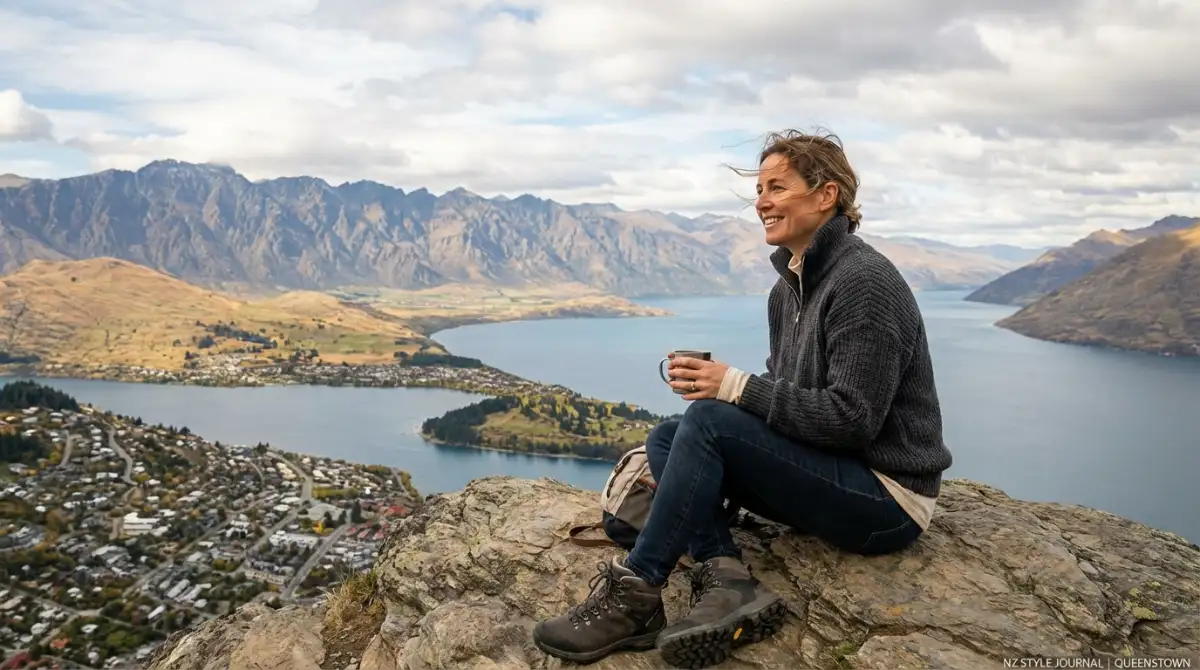
3. The Outer Layer: Your Shield Against the Elements
The outer layer is your primary defence against wind, rain, and snow. It needs to be durable, protective, and ideally, breathable. Given New Zealand’s propensity for sudden showers, a reliable outer layer is non-negotiable for anyone venturing outdoors.
- Waterproof & Windproof Jackets: Look for options with Gore-Tex or similar technologies. These protect against rain and wind while allowing moisture from your inner layers to escape.
- Softshells: Offer good wind resistance and water repellency for drier, milder conditions, but aren’t fully waterproof.
- Stylish Trench Coats or Parkas: For urban environments, these provide excellent protection with a sophisticated aesthetic.
4. The Accessories: Essential Finishing Touches
Don’t underestimate the power of accessories when layering for NZ weather. They are the ultimate quick-change artists, easily added or removed to fine-tune your comfort and elevate your style. They also offer crucial protection for exposed areas.
- Hats & Beanies: Trap heat, crucial for warmth.
- Scarves: Add warmth around the neck and can dramatically change the look of an outfit.
- Gloves: Essential for chilly mornings or evenings, especially in winter.
- Socks: Merino socks are a game-changer for foot comfort and warmth.
- Versatile Footwear: Waterproof boots, stylish sneakers, or comfortable loafers that can handle a bit of moisture.
Key Benefits of Strategic Layering
Beyond merely staying warm or dry, mastering layering for NZ weather unlocks a host of advantages that enhance both your comfort and your fashion repertoire.

- Unmatched Adaptability: The most significant benefit. You can easily add or shed layers as conditions change, ensuring optimal comfort whether you’re indoors or out, active or resting.
- Enhanced Comfort & Regulation: Layers trap air, providing superior insulation. The ability to remove a layer prevents overheating during activity, while adding one offers instant warmth when you cool down.
- Stylish Versatility: Layering allows you to create numerous distinct looks from a relatively small collection of clothing. Play with textures, colours, and silhouettes to express your personal style and stay current with the latest Fashion Trends NZ 2024. A simple top can be transformed by adding a vest, then a cardigan, then a jacket.
- Protection from Elements: Each layer contributes to your overall defence. A windproof mid-layer under a waterproof shell offers far more protection than a single heavy coat.
- Cost-Effective Wardrobe: By investing in quality, versatile layering pieces, you maximise their utility across different seasons and occasions, often reducing the need for an extensive, single-purpose wardrobe.
Mastering Layering: Practical Tips for Kiwis
Now that you understand the “what” and “why,” let’s refine your layering game with some expert tips tailored for the New Zealand environment.
Choose the Right Fabrics
Fabric choice is king when layering for NZ weather. Opt for natural fibres like merino wool for warmth, breathability, and odour resistance. Synthetics are great for active pursuits due to their quick-drying properties. Always remember to avoid cotton for anything other than extremely hot, dry conditions, as it loses its insulating properties when wet.
Focus on Versatility
Build your wardrobe with pieces that can serve multiple purposes. A neutral-coloured merino long-sleeve can be a standalone top or a base layer. A stylish waterproof jacket can protect you on a hike and look great over your work clothes. Invest in items that mix and match easily.

Prioritise Fit
Layers should fit comfortably over one another without being too bulky or restrictive. Your base layer should be snug but not tight, the mid-layer should allow movement, and the outer layer should comfortably accommodate everything underneath without looking shapeless. A good fit ensures optimal insulation and a sleek silhouette.
Embrace Colour & Texture
Layering is an opportunity to add depth and interest to your outfits. Don’t be afraid to mix different textures – a smooth silk base, a chunky knit mid-layer, and a sleek waterproof shell. Play with complementary colours or stick to a monochrome palette for a sophisticated look. This makes your layering for NZ weather not just functional, but a true expression of style.
Don’t Forget Footwear
Your feet are just as exposed to the elements. Invest in waterproof or water-resistant footwear, especially if you spend time outdoors. Consider comfortable, supportive boots for cooler, wetter days and breathable options for warmer ones. Merino socks will be your best friend.
Conclusion
Mastering layering for NZ weather is more than just a technique; it’s a lifestyle adjustment that brings comfort, confidence, and unparalleled style to your daily dressing. By understanding the purpose of each layer, selecting the right fabrics, and focusing on versatility, you’ll be well-prepared for whatever meteorological surprises Aotearoa throws your way.
Embrace the challenge of New Zealand’s dynamic climate as an opportunity to experiment with your wardrobe, extend the life of your favourite pieces, and step out each day feeling perfectly dressed for any eventuality. Happy layering, Kiwi fashionistas! For more expert insights and comprehensive advice, explore our NZ Fashion & Style Guides.
Frequently Asked Questions about Layering for NZ Weather
- What are the essential layers for New Zealand weather?
The essential layers include a moisture-wicking base layer (like merino), an insulating mid-layer (fleece or wool sweater), and a waterproof/windproof outer shell. Don’t forget versatile accessories like hats, scarves, and gloves.
- Which fabrics are best for layering in NZ?
Merino wool is highly recommended for all layers due to its temperature-regulating, moisture-wicking, and odour-resistant properties. Synthetics are good for base and mid-layers, especially for active wear. Avoid cotton as it loses warmth when wet.
- How do I stay stylish while layering?
Focus on complementary colours and textures, ensure layers fit well without bulk, and choose versatile pieces that can be dressed up or down. Accessories like scarves and jewellery can also elevate your layered look.
- Can layering help with humid NZ summers?
Yes! During humid summers, layering with lightweight, breathable fabrics like merino or linen can still be beneficial. A light, loose-fitting base layer can wick away sweat, and a slightly thicker, open-weave mid-layer can offer protection from sun or unexpected breezes without causing overheating.
- What’s the biggest mistake people make when layering for NZ?
The biggest mistake is often choosing the wrong fabrics, particularly wearing cotton as a base layer in cool or wet conditions, which can leave you feeling cold and damp. Another common error is wearing layers that are too bulky, restricting movement and compromising style.