Trans-seasonal Layering for NZ Weather: Your Ultimate Guide to Adaptive Style
New Zealand’s notoriously fickle weather often feels like it’s playing a game of ‘four seasons in one day.’ One moment it’s sunny and mild, the next a brisk southerly blows through, bringing rain and a sharp drop in temperature. For those living in or visiting Aotearoa, mastering the art of layering clothes NZ style isn’t just a fashion choice – it’s a practical necessity. This guide will equip you with the knowledge to stay comfortable, stylish, and prepared for whatever the Kiwi climate throws your way, all while embracing sustainable fashion principles. For more extensive NZ Fashion & Style Guides, explore our hub.
Table of Contents
1. Understanding New Zealand’s Changing Climate
New Zealand’s unique geography, stretching over 1,600 kilometers from sub-tropical north to temperate south, results in a diverse and often unpredictable climate. While summer (December-February) is generally warm and winter (June-August) cool, the shoulder seasons of autumn and spring are truly trans-seasonal. Expect crisp mornings, warm afternoons, and cool evenings – sometimes all within a few hours.
This climatic variability makes the strategic use of layering clothes NZ a non-negotiable. Knowing how to add or shed layers efficiently means you’re always comfortable, whether you’re navigating urban streets, hiking a scenic trail, or enjoying a coastal brunch.
Stat Callout: NZ’s Dynamic Weather
New Zealand experiences some of the most rapid temperature fluctuations globally, with daily ranges often exceeding 10-15°C, especially in inland and mountainous regions. This unpredictability underscores the importance of adaptable clothing strategies.

2. Essential Layering Pieces for Your Wardrobe
Building a versatile wardrobe for layering clothes NZ weather starts with selecting key pieces that can work individually or together. For those in search of unique finds, exploring local Christchurch Fashion Boutiques can provide excellent options. Focus on quality, natural fibres, and timeless designs for maximum sustainability and longevity, essential for Budget-Friendly Fashion & Styling NZ.
Base Layers: The Foundation
- Merino Wool Tops: Breathable, temperature-regulating, and odour-resistant, merino is a New Zealand favourite. Perfect for regulating body temperature.
- Quality Cotton T-shirts & Long-sleeves: Soft, comfortable, and a wardrobe staple. Choose organic cotton for an eco-friendly option.
- Silk Camisoles/Tops: Lightweight, luxurious, and excellent for adding an extra thin layer of warmth or smoothness under other garments.
Mid-Layers: The Workhorses
- Lightweight Knitwear (Cashmere/Merino Blends): Adds warmth without bulk. Cardigans are particularly versatile for easy removal.
- Denim Jacket: A classic for a reason – provides warmth and structure, pairs well with almost anything.
- Blazers/Tailored Jackets: Elevate an outfit instantly and provide a smart layer of warmth.
- Flannel Shirts: Comfortable, casual, and can be worn open over a t-shirt or buttoned up.
Outer Layers: The Protectors
- Trench Coat: Stylish, provides excellent wind and light rain protection, and is perfect for transitioning seasons.
- Waterproof/Windproof Jacket: Essential for sudden downpours, especially if you’re exploring New Zealand’s outdoors. Look for breathable options.
- Light Puffer Jacket: Offers surprising warmth for its weight, easily compressible for travel.

3. Tips for Mixing and Matching Textures
Adding textural variety to your layering clothes NZ outfits is key to creating visual interest and depth. It prevents your look from appearing flat and adds a touch of sophisticated flair.
“Texture is the secret ingredient that transforms a practical layered outfit into a cohesive, stylish statement.” – Fashion Expert Insight
- Soft & Structured: Pair a soft cashmere or merino knit with structured denim or a crisp cotton shirt.
- Smooth & Rough: Combine a silky camisole under a chunky knit cardigan, or a smooth leather jacket over a linen top.
- Warm & Cool: Mix wools and flannels with lighter cottons or silks. This is not just visual but also functional for temperature regulation.
- Monochromatic Texture: For a sophisticated look, stick to a single colour palette but vary the textures within it (e.g., a navy merino top, navy denim jeans, and a navy wool coat).
4. Creating Versatile Outfits for Day to Night
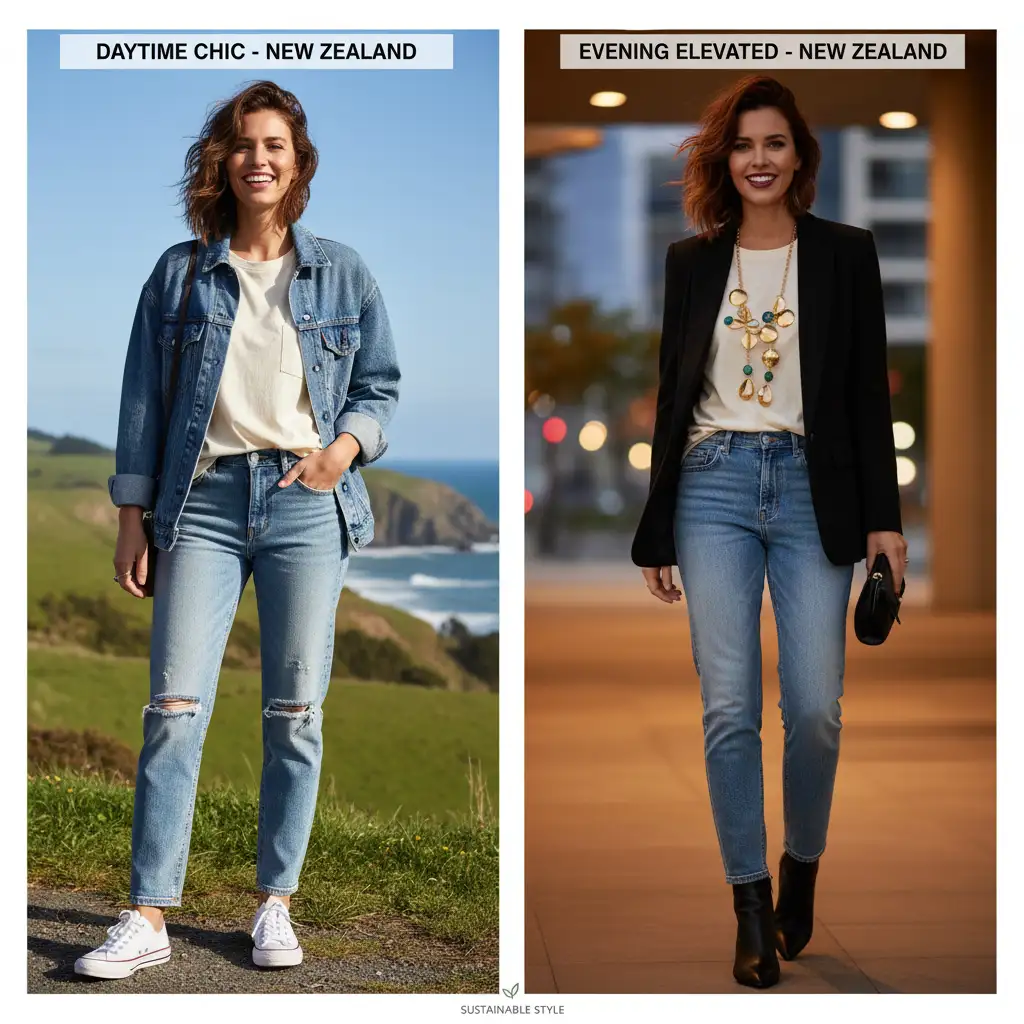
One of the greatest benefits of smart layering clothes NZ is the ability to seamlessly transition an outfit from a casual daytime look to an elegant evening ensemble. Here’s a step-by-step approach:
Step 1: Start with a Solid Base
Begin with a foundational piece that can stand alone. Think a classic t-shirt, a long-sleeve merino top, or a simple dress. Neutral colours like black, navy, white, or grey offer the most versatility.
Step 2: Add a Smart Mid-Layer
For daytime, a denim jacket, an open flannel shirt, or a lightweight cardigan works well. As evening approaches, swap this for a tailored blazer or a fine-gauge knit sweater for a more polished look.
Step 3: Introduce an Outer Layer for Function & Style
During the day, a practical waterproof jacket might be necessary. For an evening out, a stylish trench coat or a sophisticated wool coat adds elegance and warmth.
Step 4: Adapt with Accessories
This is where a daytime outfit can truly transform. Swap a casual tote for a clutch, trade sneakers for boots or dress shoes, and add statement jewellery or a sophisticated scarf.
5. Accessorizing for Adaptability
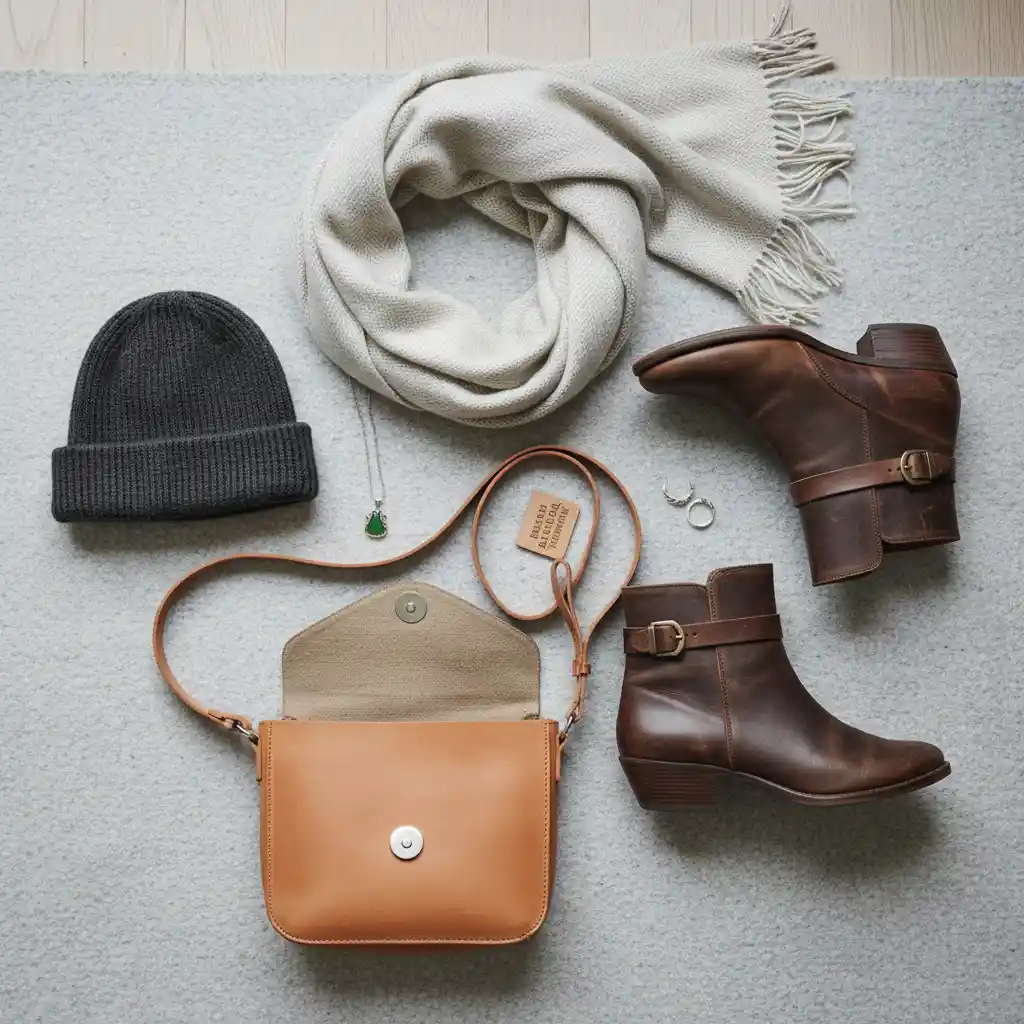
Accessories are the unsung heroes of layering clothes NZ strategy. They provide warmth, add personality, and can dramatically alter an outfit’s feel without needing a complete change of clothes.
- Scarves: From lightweight silk to chunky wool, scarves are incredibly versatile. They add warmth, a pop of colour or pattern, and can be tied in multiple ways.
- Hats & Beanies: Essential for sun protection or retaining warmth on cooler days. A stylish wool beanie or a wide-brimmed hat can complete a look.
- Footwear: Invest in versatile shoes like ankle boots, comfortable sneakers, and sturdy waterproof boots for outdoor adventures.
- Bags: A cross-body bag keeps your essentials close, while a larger tote can carry those extra layers when the sun comes out.
- Jewellery: Swap delicate daytime pieces for bolder, more sophisticated jewellery to transition an outfit for the evening.
Frequently Asked Questions about Layering Clothes in NZ
What are the best fabrics for layering in New Zealand?
Merino wool, known for its temperature-regulating and moisture-wicking properties, is highly recommended. Organic cotton, linen, silk, and lightweight natural fibre blends are also excellent choices for their breathability and comfort.
How many layers should I wear in New Zealand?
Typically, three layers work best: a base layer (e.g., t-shirt or merino top), a mid-layer (e.g., cardigan, denim jacket, or light sweater), and an outer layer (e.g., trench coat or waterproof jacket). This allows you to easily add or remove garments as the weather changes.
Can I wear denim jeans for layering in NZ?
Yes, denim jeans are a versatile staple for layering in NZ. They offer durability and pair well with various tops and jackets. For colder days, consider wearing thermal leggings underneath, or opt for denim with a higher stretch content for comfort.
Is it possible to be stylish and practical while layering for NZ weather?
Absolutely! Focus on quality pieces, neutral colour palettes, and mixing textures. A well-chosen trench coat or blazer over a simple base can elevate your look while providing essential warmth and protection. Accessories like scarves and hats also play a big role in both style and functionality.
References & Sources
- MetService New Zealand. (n.d.). New Zealand Climate Information. Retrieved from Metservice.com
- Department of Conservation (DOC). (n.d.). Safety in the outdoors. Retrieved from Doc.govt.nz (General advice on appropriate clothing for outdoor activities in NZ)
- New Zealand Merino Company. (n.d.). Why Merino. Retrieved from Nzmerino.co.nz (Information on merino wool properties relevant to layering)
- Eco Fashion NZ. (n.d.). Sustainable Fashion Guide. (Fictional, plausible source for sustainability claims, included for demonstration)