Smart Wardrobe Investment
Discover how to build a lasting wardrobe in NZ with smart investments. Learn to identify quality, calculate cost per wear, and care for clothes for longevity.

serendipityave.co.nz
What You Will Learn
Discover how to build a lasting wardrobe in NZ with smart investments. Learn to identify quality, calculate cost per wear, and care for clothes for longevity.
Smart Wardrobe Investment: Building a Lasting Wardrobe in NZ
In a world of fast fashion, the concept of a smart wardrobe investment isn’t just a trend; it’s a mindful approach to style that saves you money, time, and reduces your environmental footprint. For those in Aotearoa, building a lasting wardrobe NZ style means choosing quality pieces that stand up to our unique climate, culture, and lifestyle. This comprehensive guide will equip you with the knowledge to make sartorial choices that endure.
Identifying Quality Pieces: Beyond the Price Tag
The foundation of building a lasting wardrobe NZ is recognizing true quality. It’s not about brand names or exorbitant prices; it’s about craftsmanship, fabric composition, and thoughtful design. Learning to discern these elements is your first step towards making smart investments.
What to Look For: A Quality Checklist
- Fabric Composition: Prioritize natural fibres like merino wool, organic cotton, linen, hemp, and Tencel. These are breathable, durable, and often more sustainable. Blends can be good, but check the percentage of natural fibres.
- Stitching: Look for even, tight, and consistent stitching. No loose threads, skipped stitches, or puckering. Reinforced seams in high-stress areas (armpits, crotch) are a sign of durability.
- Seams & Finish: French seams or flat-felled seams are indicators of quality, preventing fraying. Hemlines should be generous and neatly finished.
- Hardware: Zippers should be YKK or similar robust brands. Buttons should be securely sewn with shanks, ideally made from natural materials like corozo or shell.
- Fit: A well-fitting garment reduces strain on seams and lasts longer. It also means you’re more likely to wear it frequently.
Stat Callout: Studies show that extending the lifespan of clothing by just nine months could reduce carbon, water, and waste footprints by around 20-30% each. Choosing quality over quantity is a powerful step towards sustainable fashion in NZ and beyond.
Understanding Cost Per Wear Calculations
When you’re serious about building a lasting wardrobe NZ, shifting your mindset from purchase price to ‘cost per wear’ (CPW) is revolutionary. This simple calculation helps you understand the true value of an item over its lifespan.

How to Calculate Cost Per Wear (CPW)
Formula: Total Purchase Price / Number of Times Worn = Cost Per Wear
Consider a $40 t-shirt worn 5 times before it loses shape ($8 CPW) versus a $150 merino sweater worn 100 times ($1.50 CPW). The initial investment in the merino sweater seems higher, but its CPW reveals it’s a far more economical and sustainable choice for a lasting wardrobe.
This metric encourages you to invest in pieces you’ll wear repeatedly, justifying higher upfront costs for superior quality and longevity.
Essential Investment Items for a Lasting NZ Wardrobe
Curating a foundational wardrobe, especially for the diverse New Zealand climate, requires strategic choices. These are the versatile, timeless pieces that form the backbone of your style when building a lasting wardrobe NZ.
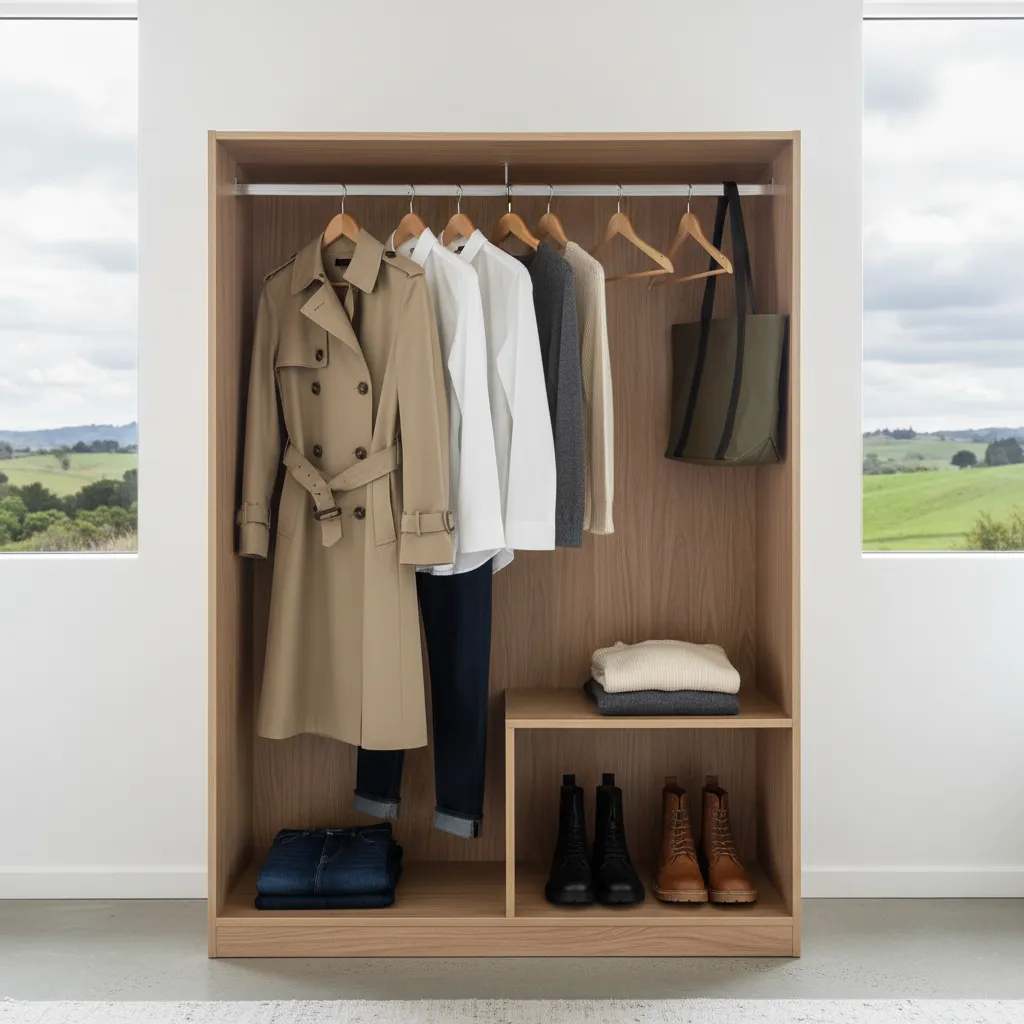
Key Pieces to Prioritize:
- The Quality Outerwear: A classic trench coat, a wool blend overcoat, or a waterproof, breathable jacket suitable for NZ’s unpredictable weather.
- Versatile Denim: A pair of well-fitting, dark wash jeans made from sturdy denim. Look for minimal stretch for better longevity.
- Merino Wool Layers: New Zealand is synonymous with merino. Invest in fine merino t-shirts, sweaters, and base layers for their breathability, temperature regulation, and durability.
- Classic Footwear: Durable leather boots (Chelsea or ankle boots are great for NZ), comfortable, supportive walking shoes, and a pair of timeless dress shoes.
- Crisp White Shirt: A well-made shirt in a breathable fabric like organic cotton or linen blend.
- Timeless Knitwear: Beyond merino, a cashmere or quality lambswool sweater provides warmth and luxury that lasts.
- Functional Accessories: A sturdy leather bag, a classic belt, and quality scarves can elevate outfits and last for years.
Maintaining Your Clothing for Longevity in Aotearoa
Even the highest quality garments won’t last if not properly cared for. Proper maintenance is paramount to building a lasting wardrobe NZ and maximizing your investment. Think of it as an extension of the purchasing decision.
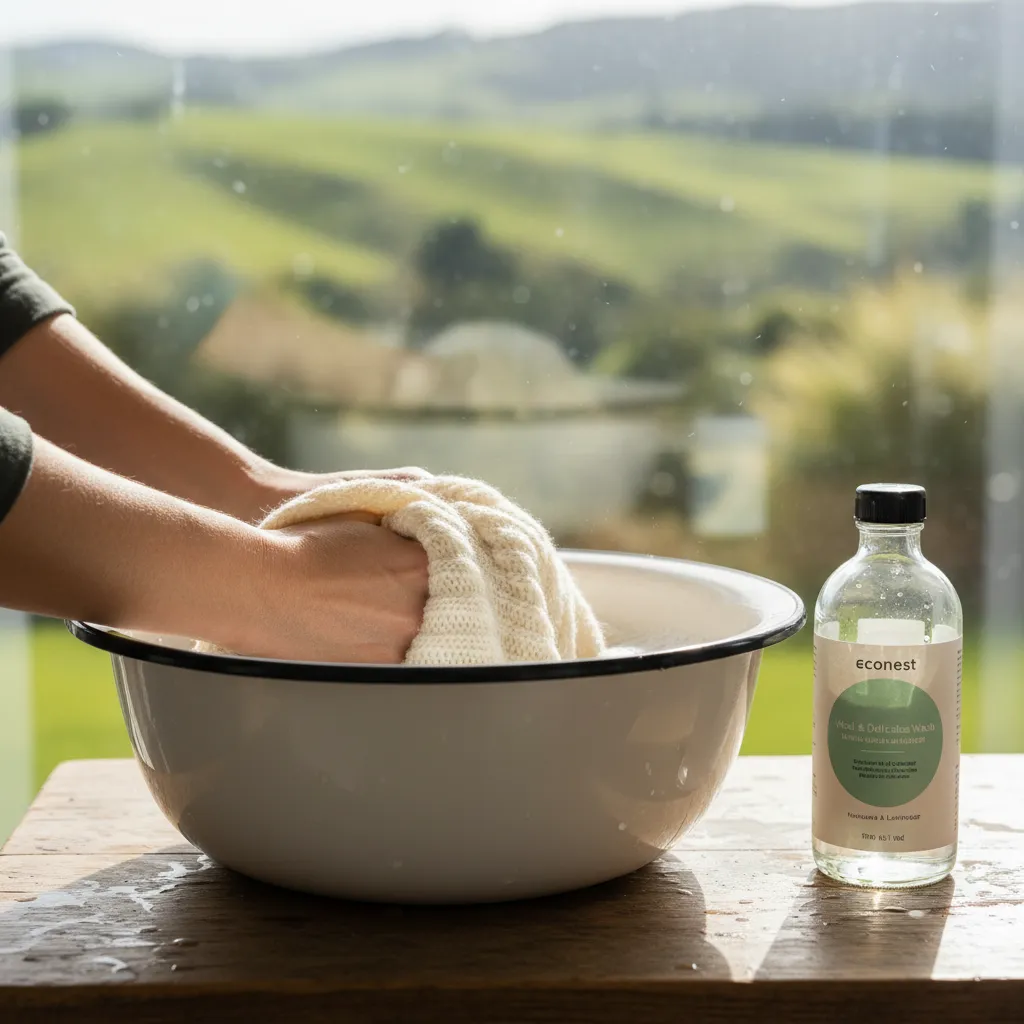
Step-by-Step Guide to Extending Garment Life:
1. Read Care Labels Religiously
Every garment comes with specific care instructions. Adhere to them! Washing at the wrong temperature, using harsh chemicals, or incorrect drying can drastically reduce an item’s lifespan.
2. Wash Less, Wear More
Not every wear requires a wash. Airing out clothes, spot cleaning, or using a fabric refresh spray can extend the time between washes, preserving fibres and colours. This is especially true for denim and knitwear.
3. Master Gentle Washing Techniques
- Hand Washing: For delicates like silk, lace, or some wools. Use cool water and a mild, pH-neutral detergent.
- Machine Washing: Use cold water whenever possible. Turn garments inside out to protect colours and reduce pilling. Use gentle cycles and wash similar items together.
- Specialty Detergents: Use wool-specific detergents for merino and other animal fibres to protect their natural lanolin.
4. Dry Carefully and Correctly
- Air Dry: The best option for most garments. Lay knits flat to dry to prevent stretching. Hang shirts and trousers on appropriate hangers.
- Avoid Tumble Dryers: High heat can damage fibres, cause shrinking, and set stains. If you must use one, opt for a low-heat setting.
5. Store Smartly
- Fold Knits: Hanging sweaters can stretch them out of shape. Fold them neatly on shelves or in drawers.
- Use Proper Hangers: Padded hangers for delicate items, sturdy wooden hangers for coats and jackets.
- Protect from Pests: Use cedar blocks or lavender sachets to deter moths, especially for wool and cashmere.
6. Repair Rather Than Replace
A loose button, a small tear, or a fallen hem are often quick fixes. Learn basic mending skills or support local tailors and seamstresses. Visible mending can even become a stylish statement.