Second-hand & Vintage Style
Discover the best second-hand fashion in NZ! This guide covers top op shops, online marketplaces, vintage styling tips, and how to extend your wardrobe’s life sustainably.
serendipityave.co.nz
What You Will Learn
Discover the best second-hand fashion in NZ! This guide covers top op shops, online marketplaces, vintage styling tips, and how to extend your wardrobe’s life sustainably.
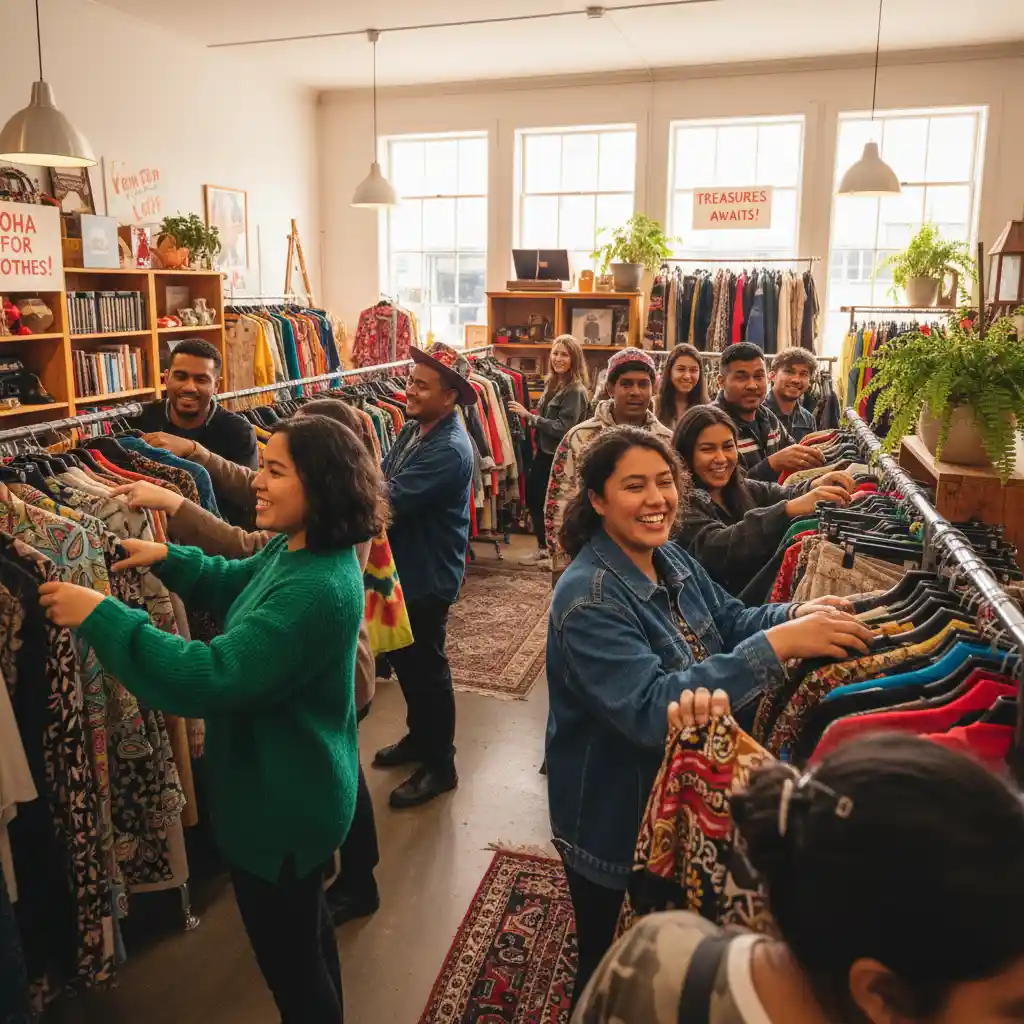
Diving into the world of second-hand fashion in NZ isn’t just a trend; it’s a movement towards sustainability, individuality, and savvy styling. New Zealanders are increasingly embracing pre-loved clothing, not only to reduce environmental impact but also to discover unique pieces that tell a story. From bustling op shops to curated vintage boutiques and thriving online marketplaces, the opportunities to refresh your wardrobe with unique, ethical finds are abundant.
This comprehensive guide will equip you with everything you need to navigate New Zealand’s vibrant second-hand scene. We’ll explore where to find the best pre-loved garments, how to style your vintage treasures, and essential tips for extending the life of your wardrobe. Get ready to transform your fashion journey, one eco-conscious purchase at a time.
Table of Contents
- Best Op Shops & Consignment Stores NZ
- Online Marketplaces for Pre-loved Clothes
- Styling Vintage Finds
- Extending the Life of Your Wardrobe
- Frequently Asked Questions
- References/Sources
Best Op Shops & Consignment Stores NZ
New Zealand boasts a fantastic network of charity shops (op shops) and high-end consignment stores, each offering a distinct treasure-hunting experience for second hand fashion NZ enthusiasts.
The Thrill of the Op Shop Hunt
Op shops are the backbone of sustainable fashion. Here, you’ll find everything from everyday essentials to unexpected designer gems, all at incredible prices. The key is patience and a keen eye. Look for well-made fabrics, classic cuts, and items that can be easily mended or altered. Popular chains include:
- Salvation Army Family Stores: Widespread and reliable, often with a good mix of clothing and household items.
- Red Cross Shops: Known for their curated selection and often found in central locations.
- Habitat for Humanity ReStore: While more focused on homeware, some locations have great clothing sections.
- Smaller, independent charity shops: These often hold the best secrets, especially in smaller towns or suburban areas. Don’t be afraid to explore!
Curated Consignment: Quality & Convenience
For those seeking a more curated selection and a higher quality of pre-loved garments, consignment stores are the answer. These stores typically stock designer labels, vintage pieces, and high-street fashion in excellent condition, often vetted for authenticity and trend relevance. While prices are higher than op shops, they’re still a fraction of retail.
“Consignment stores bridge the gap between thrifting and traditional retail, offering carefully selected pre-loved items with a focus on quality and brand recognition.”
Look out for local independent consignment boutiques in cities like Auckland, Wellington, and Christchurch. Many have online presences too, allowing you to browse their collections from home.
Online Marketplaces for Pre-loved Clothes
The digital age has revolutionized how we access vintage style New Zealand wide. Online platforms offer unparalleled convenience, allowing you to browse thousands of unique items from sellers across the country.
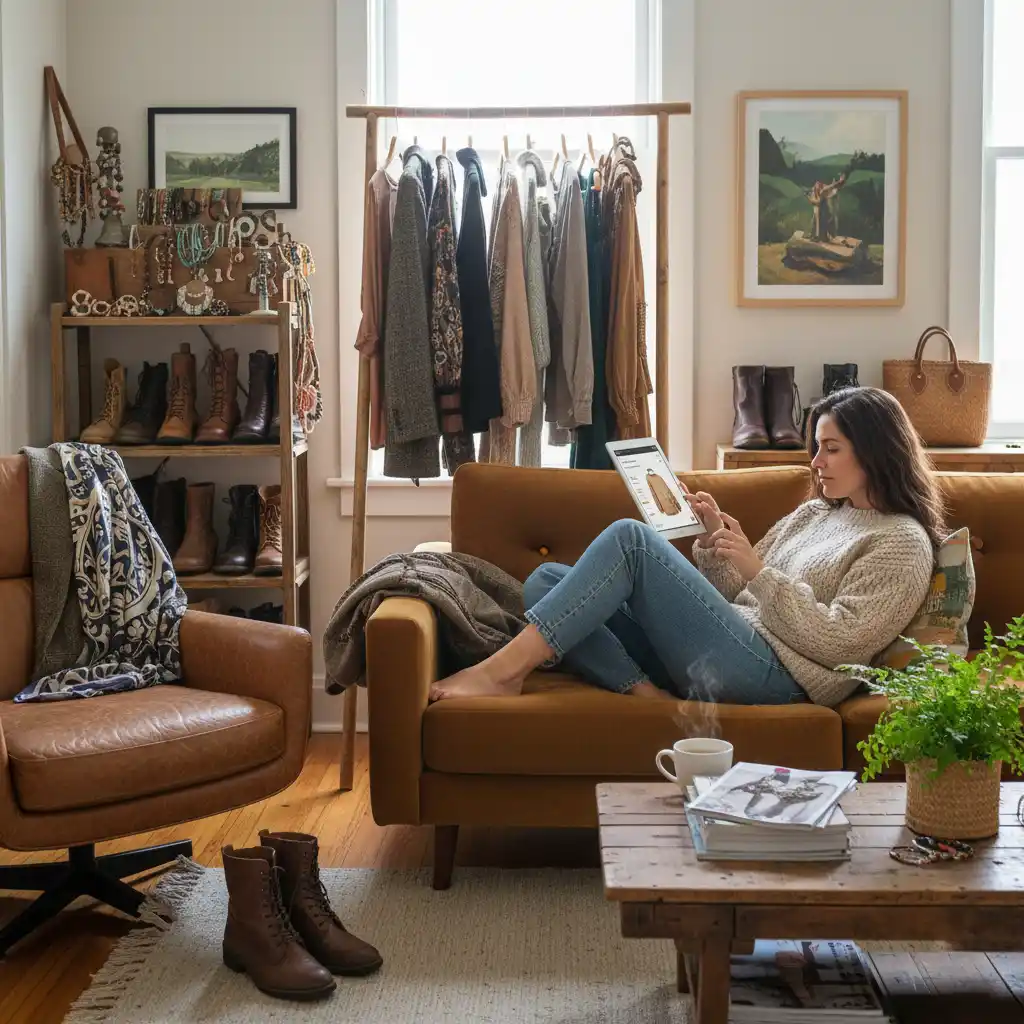
Digital Thrifting: Your Couch, Your Closet
Buying second-hand clothes online requires a slightly different approach than in-person shopping. Always check measurements, ask for more photos if needed, and read seller reviews. Here are some of the most popular platforms for finding second hand fashion in NZ:
- Trade Me: New Zealand’s largest online auction and classifieds site. A massive selection of everything from everyday wear to high-end designer pieces. Use specific keywords to narrow your search.
- Facebook Marketplace & Buy/Sell Groups: Local groups are excellent for finding bargains and connecting with sellers in your area, reducing shipping costs.
- Designer Wardrobe: A dedicated platform for buying and selling designer and high-end high-street fashion. Excellent for finding specific brands and a more curated experience.
- Depop: Popular among younger demographics, Depop is great for discovering unique vintage pieces, Y2K fashion, and independent sellers.
Styling Vintage Finds
Incorporating vintage pieces into your contemporary wardrobe is an art form. It’s about creating a look that feels unique and authentically ‘you’, rather than a costume. Mastering vintage style New Zealand means understanding balance and personal expression.
Master the Art of Blending Eras
Here’s a step-by-step guide to effortlessly integrate your new (old) treasures:
Step 1: Start with a Statement Piece
Pick one strong vintage item—a unique jacket, a patterned skirt, or a classic dress—and build your outfit around it. Let it be the star, and complement it with modern basics.
Step 2: Mix Modern with Vintage
Avoid dressing head-to-toe in vintage unless you’re aiming for a specific historical look. Pair a vintage silk blouse with contemporary jeans, or a modern blazer with a vintage brooch. This creates a fresh, relevant aesthetic.
Step 3: Accessorize Thoughtfully
Accessories can transform an outfit. A vintage handbag, a statement belt, or unique jewellery can elevate even the simplest modern ensemble. Conversely, use modern accessories to update a full vintage look.
Step 4: Confidence is Your Best Accessory
Ultimately, how you wear your clothes is more important than what you wear. Embrace the story behind your vintage finds and wear them with pride. Your unique style will shine through.
“Fashion is not necessarily about labels. It’s not about brands. It’s about something else that comes from within you.” – Ralph Lauren
Extending the Life of Your Wardrobe
Choosing second hand fashion NZ is a fantastic step towards sustainability, but truly embracing a circular fashion model means extending the life of all your clothes. Proper care and maintenance can significantly reduce textile waste and save you money.
Sustainable Choices: Care for What You Own
Here’s how to ensure your garments, new and pre-loved, last as long as possible:
Step 1: Understand Fabric Care
Always read care labels. Different fabrics require different treatments. Delicate items like silk and wool often benefit from hand washing or gentle cycles. Air-drying can prolong the life of most garments and save energy.
Step 2: Basic Repairs Go a Long Way
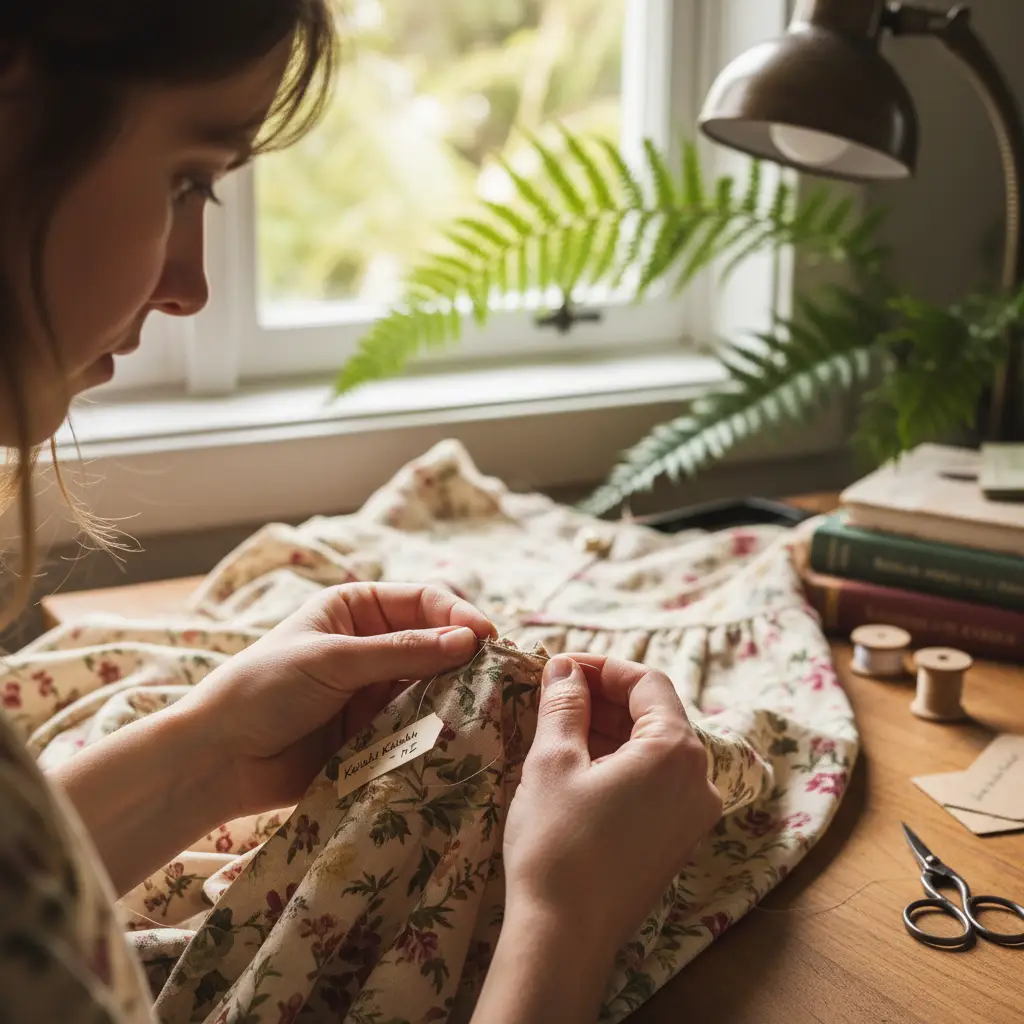
Don’t discard an item because of a missing button, a loose seam, or a small tear. Learning basic mending skills—or finding a local tailor—can give your clothes a second lease on life. This is especially valuable for cherished vintage pieces.
Step 3: Re-purpose and Upcycle
When an item is beyond repair or no longer fits your style, consider re-purposing it. Old t-shirts can become cleaning rags, denim can be turned into shorts or bags, and larger pieces of fabric can be upcycled into new garments or accessories.
Step 4: Store Thoughtfully
Proper storage prevents damage. Fold heavy knits to prevent stretching, hang delicate items on padded hangers, and ensure your wardrobe is dry and well-ventilated to prevent mould and mildew.
Stat Callout: The average person throws away 70 pounds of clothing per year. By extending the life of your clothes by just nine months, you can reduce its carbon, water, and waste footprint by 20-30%.
Conclusion
Embracing second hand fashion NZ is a powerful way to cultivate a unique personal style while making responsible choices for the planet. Whether you’re sifting through racks in a bustling op shop, discovering a curated gem in a consignment store, or hunting for bargains online, the journey of sustainable fashion is both rewarding and exciting. By extending the life of your wardrobe and thoughtfully integrating pre-loved pieces, you become an active participant in building a more circular and ethical fashion future for Aotearoa. Happy thrifting!
Frequently Asked Questions
- Why should I choose second hand fashion in NZ?
Choosing second-hand fashion reduces textile waste, lowers demand for new production (which often has a high environmental impact), and allows you to find unique, often higher-quality items at affordable prices. It’s a key part of sustainable and ethical fashion.
- What’s the difference between an op shop and a consignment store?
Op shops (charity shops) typically sell donated items with proceeds going to charity. They offer a wide range of goods at very low prices. Consignment stores, on the other hand, sell pre-owned items on behalf of individuals, sharing a percentage of the sale price with the original owner. They tend to offer more curated, often higher-end, and vintage pieces at slightly higher but still discounted prices.
- How do I ensure the quality of second-hand clothes, especially online?
When shopping in person, thoroughly inspect items for stains, tears, functioning zippers/buttons, and fabric quality. Online, always read descriptions carefully, check measurements (as sizes vary, especially for vintage), ask for additional photos if needed, and review the seller’s ratings and return policy.
- Are there any specific washing tips for vintage clothing?
Vintage clothing often requires gentle care. Always check for care labels, but generally, hand-washing or using a delicate machine cycle with cold water and a mild detergent is recommended. Air-drying is usually best to preserve fabrics and prevent shrinking. For very delicate items, professional dry cleaning might be an option.
- Can I donate clothes to op shops in New Zealand?
Yes, most op shops in New Zealand gratefully accept donations of clean, good-condition clothing, accessories, and household items. It’s always a good idea to check with your local store regarding their specific donation guidelines and hours before dropping items off.
References/Sources
- Ellen MacArthur Foundation. (2017). A New Textiles Economy: Redesigning fashion’s future. Retrieved from ellenmacarthurfoundation.org
- Council for Textile Recycling. (Undated). Textile Waste Statistics. Retrieved from textilerecycling.co.uk (Plausible source for textile waste stats)
- Sustainable Business Network NZ. (Undated). Circular Economy in NZ. Retrieved from sustainable.org.nz (Plausible source for NZ specific sustainability initiatives)
- Trade Me. (Undated). Buying & Selling Help. Retrieved from trademe.co.nz