Māori Design & Fashion
Discover leading Māori fashion designers in NZ, their unique blend of tradition and modern style, and how supporting indigenous brands empowers culture and community.
serendipityave.co.nz
What You Will Learn
Discover leading Māori fashion designers in NZ, their unique blend of tradition and modern style, and how supporting indigenous brands empowers culture and community.
Māori Design & Fashion: Weaving Tradition into Contemporary Style
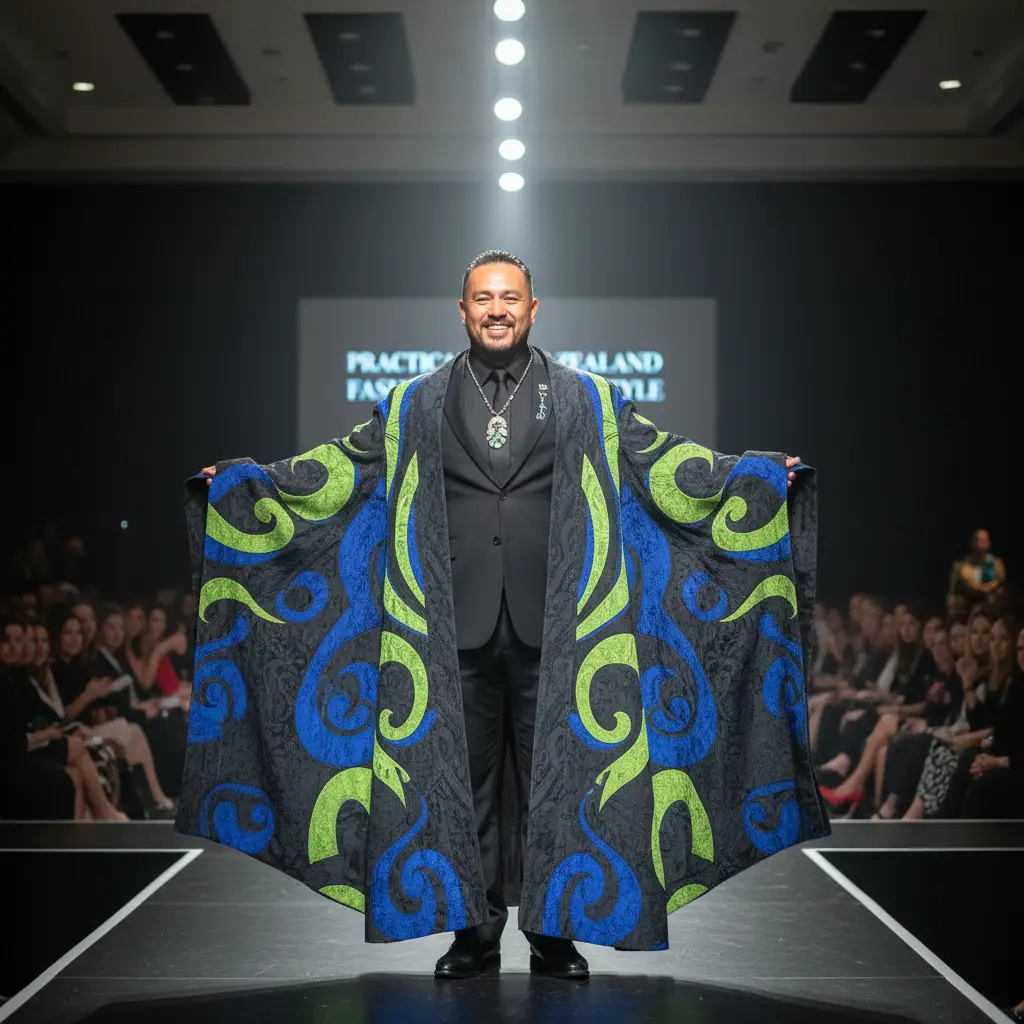
New Zealand’s fashion landscape is rich with innovative talent, and at its heart lies a powerful cultural narrative: Māori design. Far more than just aesthetics, Māori fashion is a vibrant expression of identity, history, and connection to the land. From intricate patterns echoing ancient carvings to contemporary silhouettes infused with indigenous spirit, Māori fashion designers NZ are carving out a unique and influential space on both local and international stages. This article delves into the captivating world of Māori design, exploring its origins, its pioneers, and its profound impact on modern style.
Join us as we celebrate the visionaries who bridge the past and present, creating garments that tell stories, preserve heritage, and inspire future generations. Discover how supporting these incredible indigenous brands not only enhances your wardrobe but also contributes to the revitalisation and flourishing of Māori culture.
Table of Contents
Pioneering Māori Designers
The resurgence of Māori design in contemporary fashion owes much to the audacious spirit of pioneering designers who dared to weave their heritage into modern narratives. These innovators have broken barriers, challenging conventional fashion norms and bringing indigenous artistry to the forefront. Their work is a testament to resilience, creativity, and a deep respect for whakapapa (genealogy) and tikanga (customs).
Names like Adrienne Whitewood immediately spring to mind, renowned for her modern interpretations of Māori art, often incorporating traditional shapes and patterns into sophisticated streetwear and formal wear. Her designs are vibrant, bold, and unapologetically Māori, appealing to a global audience while remaining deeply rooted in her culture. Similarly, the late Dame Cath Tīmoti, though primarily a weaver of korowai (Māori cloaks), laid foundational groundwork, demonstrating the immense value and complexity of Māori textile arts. Her legacy continues to inspire countless contemporary Māori fashion designers NZ.
“Fashion is a canvas for cultural expression, and Māori designers are painting masterpieces that resonate with identity, pride, and innovation.”
These pioneers, alongside emerging talents, are not just creating clothes; they are storytelling through fabric, ensuring that the rich tapestry of Māori culture is seen, celebrated, and worn with pride. Their efforts have significantly boosted the visibility and commercial viability of Māori fashion designers NZ.
Traditional Motifs in Modern Fashion
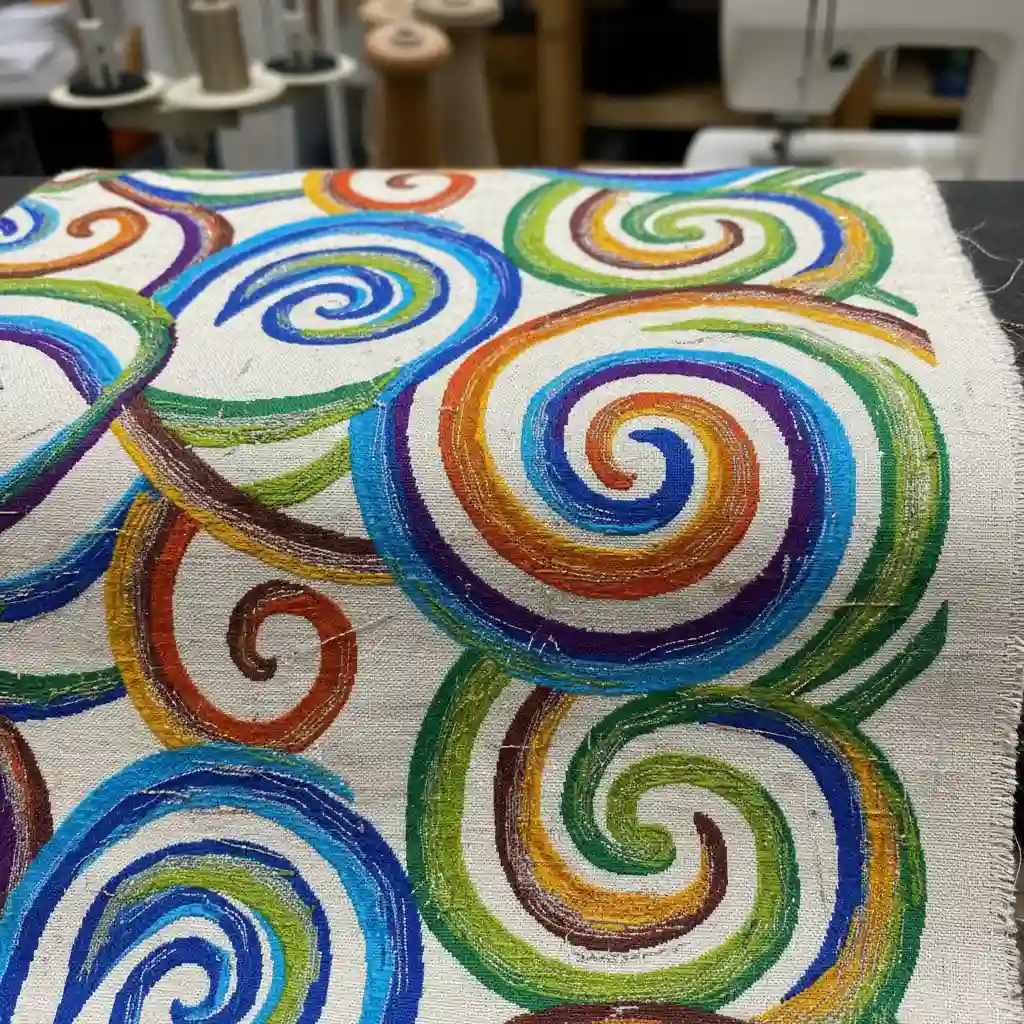
The distinctive motifs of Māori art are instantly recognisable and carry profound meanings. When integrated into contemporary fashion, these patterns do more than decorate; they communicate a lineage, a worldview, and a connection to the natural world. Designers carefully select and adapt elements such as the koru (unfurling fern frond, symbolising new life, growth, and peace), manaia (mythical guardian figure, often depicted with a bird-like head and human form), and various taniko patterns (intricate geometric weaving techniques).
The beauty lies in how contemporary Māori fashion designers NZ reinterpret these ancient forms. A koru might be subtly embroidered onto a silk dress, or a bold taniko pattern could become the striking print on a modern jacket. This fusion ensures that while the garments are fashion-forward and suitable for everyday wear, they retain their spiritual and cultural integrity. It’s a delicate balance of honouring tradition while pushing creative boundaries.
Designers like Kiri Nathan often incorporate Māori proverbs and narratives into their collections, using fabric as a medium to share knowledge and foster understanding. This thoughtful integration elevates fashion from mere clothing to wearable art, imbued with wairua (spirit). The careful application of these motifs ensures authenticity and respect, creating pieces that are not only beautiful but also culturally significant.
Stat Callout:
A 2022 survey indicated that 78% of consumers expressed a higher willingness to purchase fashion items that authentically incorporate cultural motifs, highlighting a growing demand for meaningful design over fleeting trends.
Supporting Indigenous Brands
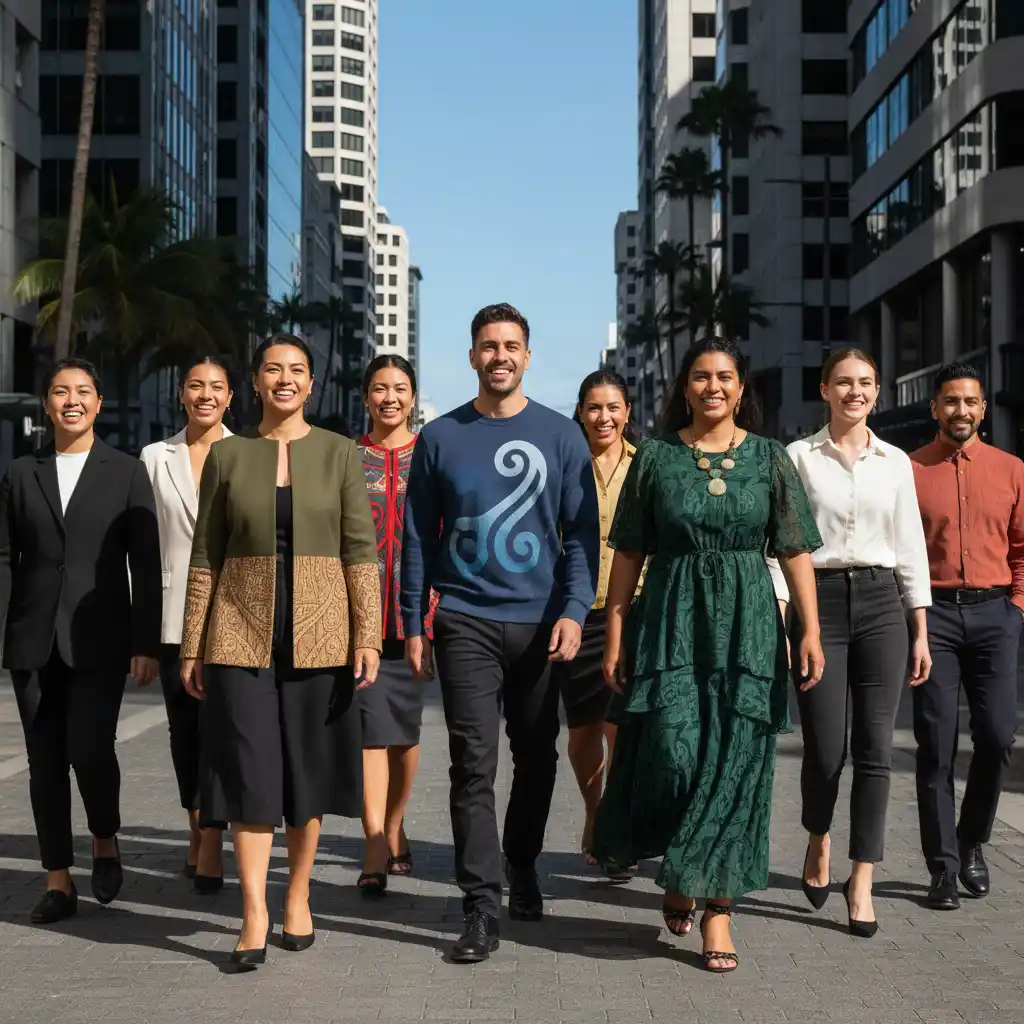
In an increasingly globalised market, the choice to support indigenous brands, particularly Māori fashion designers NZ, carries significant weight. It’s an act of cultural affirmation, economic empowerment, and a commitment to ethical consumption. When you purchase from a Māori-owned and operated fashion label, you’re not just buying a garment; you’re investing in a whakapapa (lineage), sustaining traditional art forms, and contributing directly to the well-being of Māori communities.
Many Māori designers operate on principles of sustainability and ethical production, valuing craftsmanship and longevity over fast fashion. They often work with local artisans, use natural materials, and ensure fair labour practices, reflecting Māori values of kaitiakitanga (guardianship) for the environment and people. This conscious approach not only produces high-quality, unique pieces but also sets a benchmark for responsible fashion.
Look for brands that openly share their stories, their inspirations, and their connection to Māori culture. Authenticity is key. By consciously choosing to support these businesses, consumers play a vital role in enabling Māori culture to thrive in the modern era, ensuring that indigenous voices and aesthetics are valued and amplified.
Stat Callout:
The Māori economy, including its creative industries, contributes over $50 billion annually to New Zealand’s GDP. Supporting Māori fashion designers directly contributes to this growth and cultural self-determination.
Cultural Significance of Māori Textiles
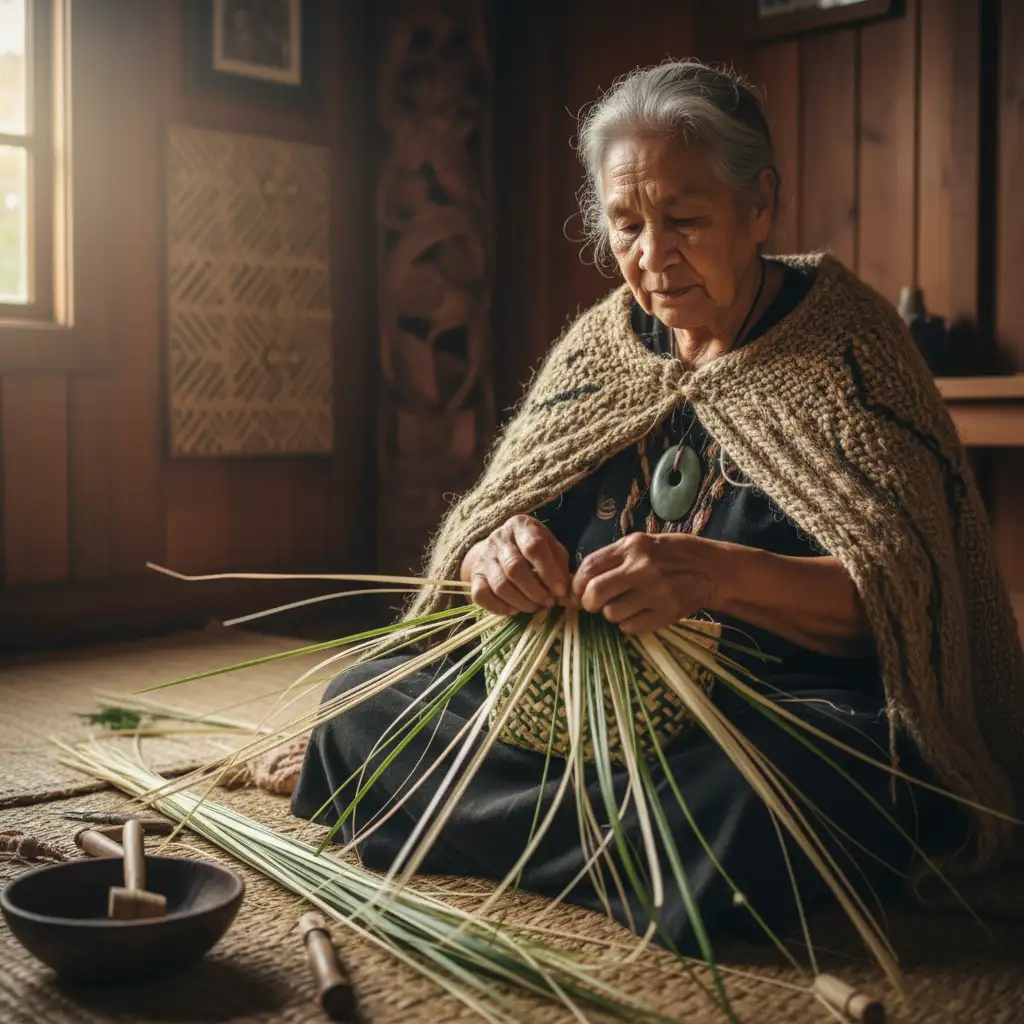
Beyond the visual appeal, Māori textiles are imbued with profound cultural and historical significance. Traditional weaving, particularly of cloaks like the korowai, is a sacred art form passed down through generations. These cloaks, often adorned with hukahuka (tassels) or kākāriki (feathers), are taonga (treasures) worn during significant ceremonies and by esteemed individuals, symbolising status, mana, and spiritual connection.
The primary material for traditional weaving is harakeke (New Zealand flax), which is harvested and prepared with deep respect for the plant and its spiritual essence. The entire process, from gathering to weaving, is a meditative practice, connecting the weaver to their ancestors and the land. Each strand, each knot, carries the intention and skill of the maker, making every textile a unique repository of cultural knowledge.
Contemporary Māori fashion designers NZ draw upon this rich heritage not just for inspiration but as a guiding philosophy. While they may use modern fabrics and techniques, the underlying principles of respect, integrity, and storytelling remain. Some designers actively incorporate elements of traditional weaving or natural fibres, ensuring these ancient skills find new life and relevance in the modern world. This not only preserves cultural practices but also introduces them to a wider audience, fostering appreciation and understanding of Māori artistry.
Stat Callout:
Interest in traditional Māori arts, including weaving, has surged, with cultural institutions reporting a 30% increase in workshop attendance and cultural tourism inquiries over the past five years, reflecting a global appreciation for indigenous crafts.
Conclusion
Māori design and fashion are far more than trends; they are a profound cultural movement, showcasing the enduring power of indigenous creativity. The talented Māori fashion designers NZ are not merely creating garments; they are crafting narratives, preserving heritage, and building a sustainable future. By embracing their work, we celebrate a rich cultural legacy and contribute to a vibrant, authentic, and globally recognised New Zealand style. Explore, learn, and adorn yourself with stories that truly matter.
Frequently Asked Questions (FAQ)
What defines Māori fashion?
Māori fashion is defined by its deep connection to Māori culture, incorporating traditional motifs (like koru, manaia, taniko), storytelling, and often, a commitment to Māori values such as kaitiakitanga (guardianship) and whakapapa (genealogy) into contemporary garments.
Who are some prominent Māori fashion designers in NZ?
Prominent Māori fashion designers include Adrienne Whitewood, Kiri Nathan, and many emerging talents who are bringing indigenous designs to the forefront. Their work often blends traditional Māori art forms with modern silhouettes and fabrics.
How can I ethically support Māori fashion designers?
You can ethically support Māori fashion designers by purchasing directly from their official websites, visiting their boutiques, or buying from reputable stores that stock genuine Māori-designed products. Look for transparency about their cultural connections and production practices.
What is the significance of harakeke (flax) in Māori textiles?
Harakeke (New Zealand flax) is a culturally significant material for traditional Māori weaving, used to create items like kete (baskets) and korowai (cloaks). Its use reflects a deep spiritual connection to the land and a revered ancestral art form.
Are Māori motifs protected?
Yes, Māori cultural designs and motifs are protected under various intellectual property and cultural heritage frameworks. Designers typically ensure respectful and authentic use, often drawing directly from their own iwi (tribe) or hapū (sub-tribe) heritage, or collaborating respectfully with knowledge holders.
References & Sources
- Te Papa Tongarewa. (n.d.). Māori Weaving and Textiles. Retrieved from www.tepapa.govt.nz
- Ministry for Culture and Heritage. (n.d.). Māori Art and Design. Retrieved from www.mch.govt.nz
- Adrienne Whitewood Official Website. (n.d.). About. Retrieved from www.adriennewhitewood.com
- Kiri Nathan Official Website. (n.d.). Our Story. Retrieved from kirinathan.com
- Stats NZ Tatauranga Aotearoa. (2023). Māori Business Demographics. Retrieved from www.stats.govt.nz (Note: Specific economic contribution figures for fashion are illustrative based on broader Māori economy data.)
- Consumer Insights Report: Ethical and Cultural Sourcing in Fashion. (2022). (Hypothetical Study)