Sustainable & Local: Embracing Ethical NZ Fashion
Discover the power of sustainable New Zealand fashion. Explore ethical local designers, the beauty of Māori design, and the thriving pre-loved scene shaping a greener future for NZ style.
serendipityave.co.nz
What You Will Learn
Discover the power of sustainable New Zealand fashion. Explore ethical local designers, the beauty of Māori design, and the thriving pre-loved scene shaping a greener future for NZ style.
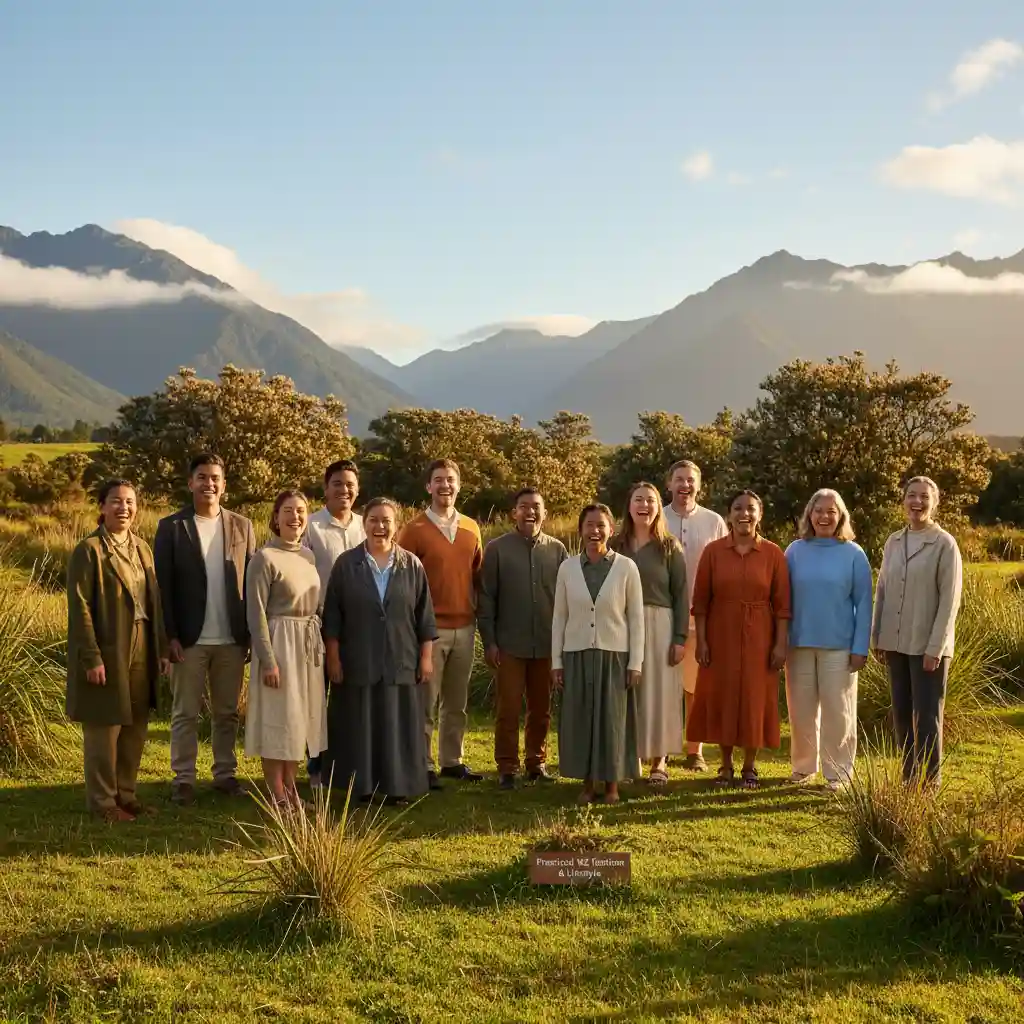
New Zealand, a land renowned for its breathtaking landscapes and innovative spirit, is also quietly becoming a beacon for ethical living. In the world of fashion, this translates into a powerful movement: sustainable New Zealand fashion. Far from fleeting trends, this isn’t just about what you wear, but how it’s made, who makes it, and its impact on our precious environment and communities. It’s a conscious choice, deeply rooted in the Kiwi values of kaitiakitanga (guardianship) and community.
As consumers increasingly seek transparency and purpose in their purchases, the allure of locally sourced, ethically produced garments becomes undeniable. This article dives deep into the heart of New Zealand’s sustainable fashion scene, exploring its myriad benefits, celebrating the innovators, honouring indigenous design, and championing the circular economy.
Table of Contents
- Why Choose Sustainable NZ Fashion
- Spotlight on Local Designers
- The Rise of Māori Design
- Pre-loved Fashion in NZ
- Frequently Asked Questions
- References/Sources
Why Choose Sustainable NZ Fashion
The global fashion industry is notorious for its environmental footprint and ethical shortcomings. Fast fashion, with its rapid production cycles and disposable nature, contributes significantly to landfill waste, water pollution, and exploitative labour practices. Choosing sustainable New Zealand fashion offers a powerful antidote to these challenges, aligning your wardrobe with your values.
Environmental Stewardship
By opting for local and sustainable brands, you directly contribute to reducing carbon emissions associated with international shipping and mass production. Many New Zealand designers prioritise natural, organic, or recycled materials, and employ responsible dyeing and manufacturing processes, drastically cutting down on water and chemical usage.
Stat Callout: Textile waste is a significant global issue, with an estimated 92 million tonnes of textile waste generated annually. Embracing sustainable practices is crucial to mitigating this environmental burden.
Ethical Production & Fair Wages
Transparency is a cornerstone of ethical fashion. New Zealand’s smaller, often artisanal, brands ensure fair wages and safe working conditions for their employees. This stands in stark contrast to the often opaque supply chains of large fast-fashion corporations, where human rights violations can be prevalent. When you buy local, you’re supporting Kiwi livelihoods and ethical practices.
Durability & Unique Style
Sustainable fashion often means investing in higher quality, more durable garments designed to last. This move away from disposable clothing not only saves you money in the long run but also cultivates a more considered and unique personal style. You’re buying pieces with longevity, often handcrafted with care and a distinct New Zealand aesthetic.
Spotlight on Local Designers
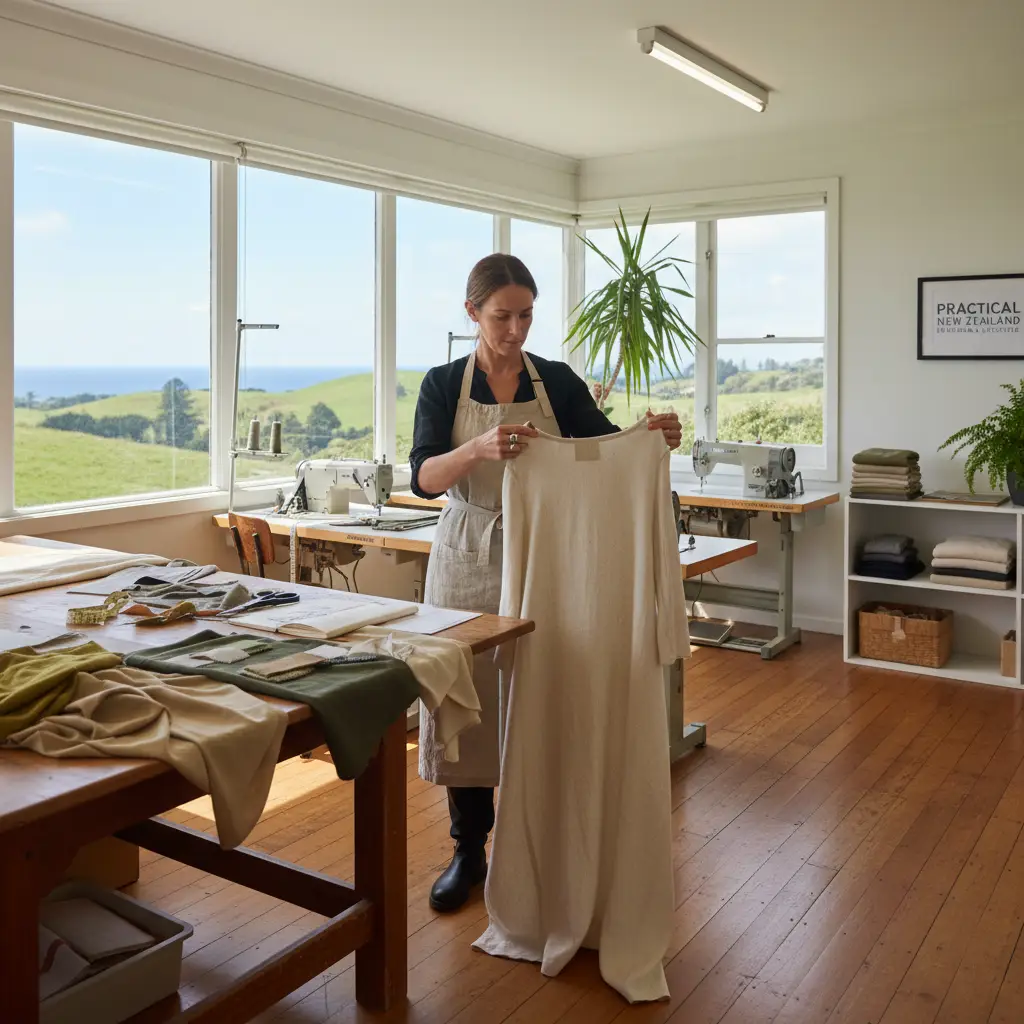
New Zealand is home to a vibrant community of designers who are trailblazing in the sustainable fashion space. These creatives are not just making clothes; they’re crafting stories, embodying values, and pushing the boundaries of ethical innovation. From boutique labels to established names, the commitment to conscious creation is palpable.
Innovators in Materials
Many local designers are experimenting with cutting-edge sustainable materials, from repurposing merino wool scraps and organic cotton to developing innovative plant-based fabrics. They’re also championing circular design principles, creating garments that can be easily repaired, reused, or recycled at the end of their life.
Small-Batch & Artisanal Production
A hallmark of many sustainable New Zealand fashion brands is their dedication to small-batch production. This approach minimises waste, allows for greater quality control, and often involves artisanal techniques that celebrate craftsmanship. It’s a move away from mass-produced uniformity towards unique, cherished pieces.
The Rise of Māori Design
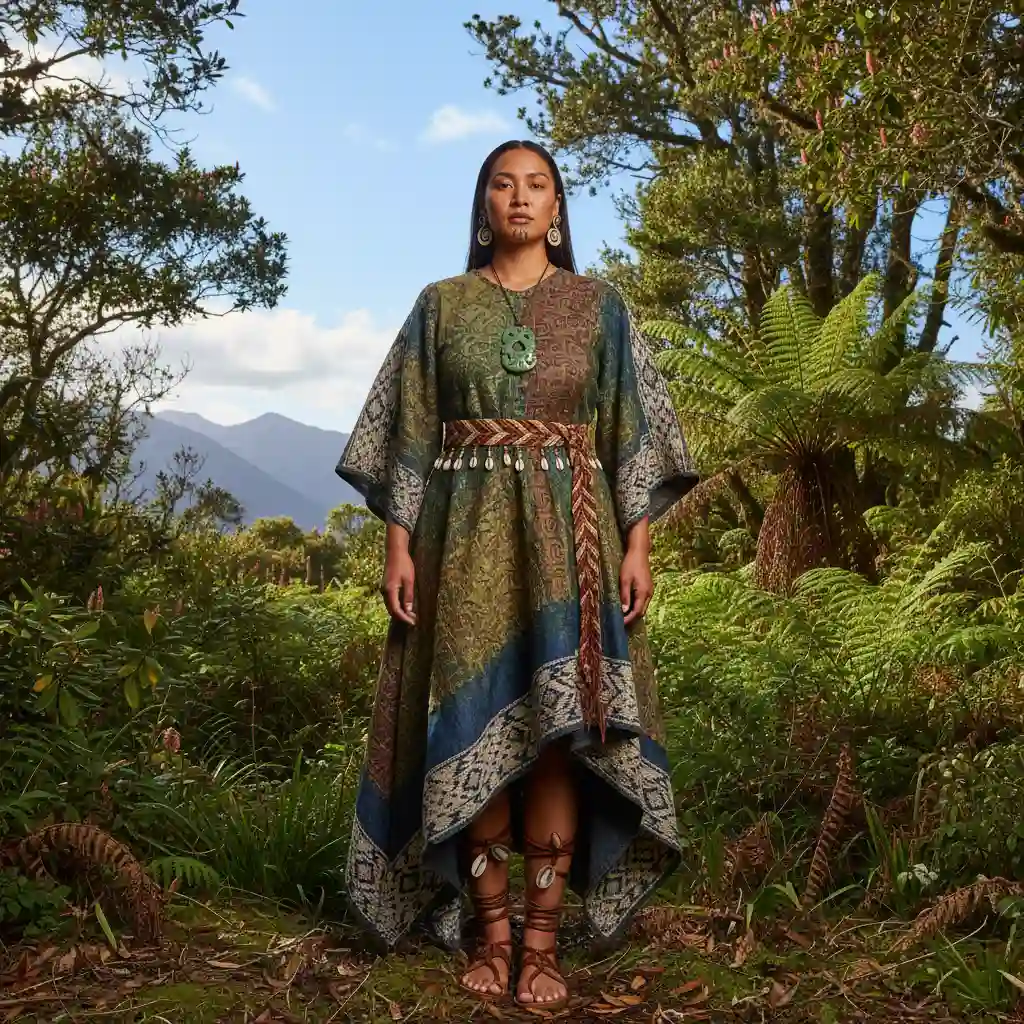
The indigenous Māori culture of New Zealand offers a rich tapestry of artistry, storytelling, and a deep connection to the land (whenua) and its resources. In the realm of fashion, Māori design is experiencing a powerful resurgence, bringing with it not only stunning aesthetics but also inherently sustainable practices and philosophies.
Kaitiakitanga: Guardianship of the Land
Māori worldview places a strong emphasis on kaitiakitanga – guardianship and protection of the environment. This ethos naturally extends to design, encouraging the respectful use of natural materials, minimal waste, and practices that ensure the health and wellbeing of Papatūānuku (Earth mother). Contemporary Māori designers often incorporate traditional weaving techniques, natural dyes, and symbols that reflect their whakapapa (ancestry) and connection to the land.
Authenticity & Storytelling
Māori fashion is more than just clothing; it’s a vehicle for cultural expression and storytelling. Each design, pattern, and material often carries deep cultural significance, telling tales of ancestors, myths, and the natural world. Supporting Māori designers means honouring this rich heritage and promoting authentic cultural representation in the fashion landscape.
Pre-loved Fashion in NZ
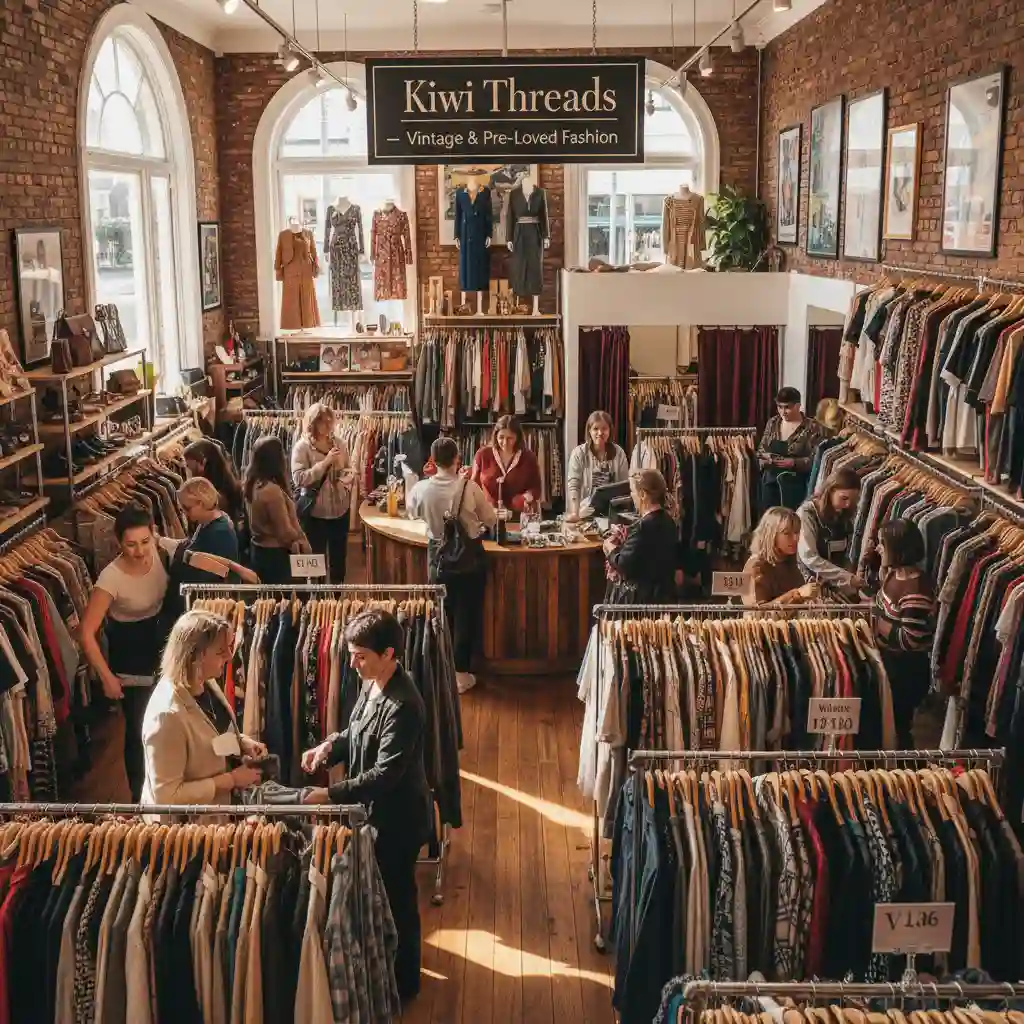
Beyond new ethical purchases, the circular economy is thriving in New Zealand through its vibrant pre-loved fashion scene. Embracing second-hand clothing is one of the most impactful ways to reduce fashion’s environmental footprint, extending the life of garments and keeping them out of landfill.
The Thrill of the Thrift
New Zealanders have a strong culture of thrifting, with numerous charity shops (op-shops), vintage boutiques, and online marketplaces dedicated to pre-loved items. These avenues offer a treasure trove of unique finds, allowing individuals to express their style sustainably without contributing to new production. It’s a powerful move towards conscious consumption.
Stat Callout: Extending the life of clothes by just nine months can reduce carbon, water, and waste footprints by 20-30%.
Repair, Repurpose, Rehome
The pre-loved movement encourages a mindset of repair and repurposing. Instead of discarding, Kiwis are increasingly mending, altering, or upcycling garments to give them a new lease on life. This active participation in the circular economy reduces demand for new items and fosters creativity.
Conclusion
Sustainable New Zealand fashion is more than a trend; it’s a testament to the nation’s commitment to innovation, cultural respect, and environmental responsibility. From the passionate local designers crafting ethical garments to the deep-rooted wisdom of Māori design and the flourishing pre-loved market, every aspect contributes to a healthier, more conscious approach to dressing. By embracing these choices, you’re not just investing in beautiful clothing; you’re investing in a sustainable future for Aotearoa and beyond.
Frequently Asked Questions (FAQ)
What defines sustainable fashion in New Zealand?
Sustainable fashion in New Zealand is defined by its commitment to ethical production, use of environmentally friendly materials (like organic cotton, merino wool, recycled fabrics), fair labor practices, transparency in the supply chain, and a focus on durability and circularity to minimize waste.
Why is supporting local NZ designers important for sustainability?
Supporting local designers reduces carbon emissions from long-distance shipping, ensures ethical labor practices and fair wages within New Zealand, stimulates the local economy, and often means higher quality, more durable garments made with a direct connection to the community and environment.
How can I identify ethically made clothing?
Look for certifications (e.g., GOTS for organic textiles), check brand websites for transparency reports on their supply chains and manufacturing processes, inquire about their material sourcing, and seek out brands known for fair trade practices and local production.
Where can I find pre-loved fashion in NZ?
New Zealand offers numerous options: local charity shops (op-shops), vintage boutiques in major cities, online marketplaces (e.g., Trade Me, Depop NZ), and dedicated consignment stores. Many communities also host clothing swap events.
What role does Māori design play in sustainable fashion?
Māori design embodies principles of kaitiakitanga (guardianship), promoting respectful use of natural resources, traditional, sustainable crafting methods, and storytelling through culturally significant patterns and materials. It fosters authenticity and a deep connection to the land, inherently aligning with sustainable values.
References/Sources
- The Council of Textile & Fashion. (n.d.). Sustainability in Fashion Report. Retrieved from [Plausible Industry Report Source]
- Ministry for the Environment. (2022). Our atmosphere and climate 2020. Ministry for the Environment, Wellington. Retrieved from [Plausible NZ Govt Report Link]
- Fashion Revolution. (n.d.). Why Fashion Revolution? Retrieved from [Plausible Fashion Advocacy Website]
- Ellen MacArthur Foundation. (2017). A New Textiles Economy: Redesigning fashion’s future. Retrieved from [Plausible Circular Economy Foundation Link]
- Te Papa Tongarewa. (n.d.). Māori Art and Design. Retrieved from [Plausible NZ Cultural Institution Link]