Sustainable & Circular Fashion in NZ
Discover sustainable fashion NZ with our ultimate guide. Explore ethical brands, top op shops, rental services, and how to sell second-hand clothes for an eco-friendly wardrobe in New Zealand.
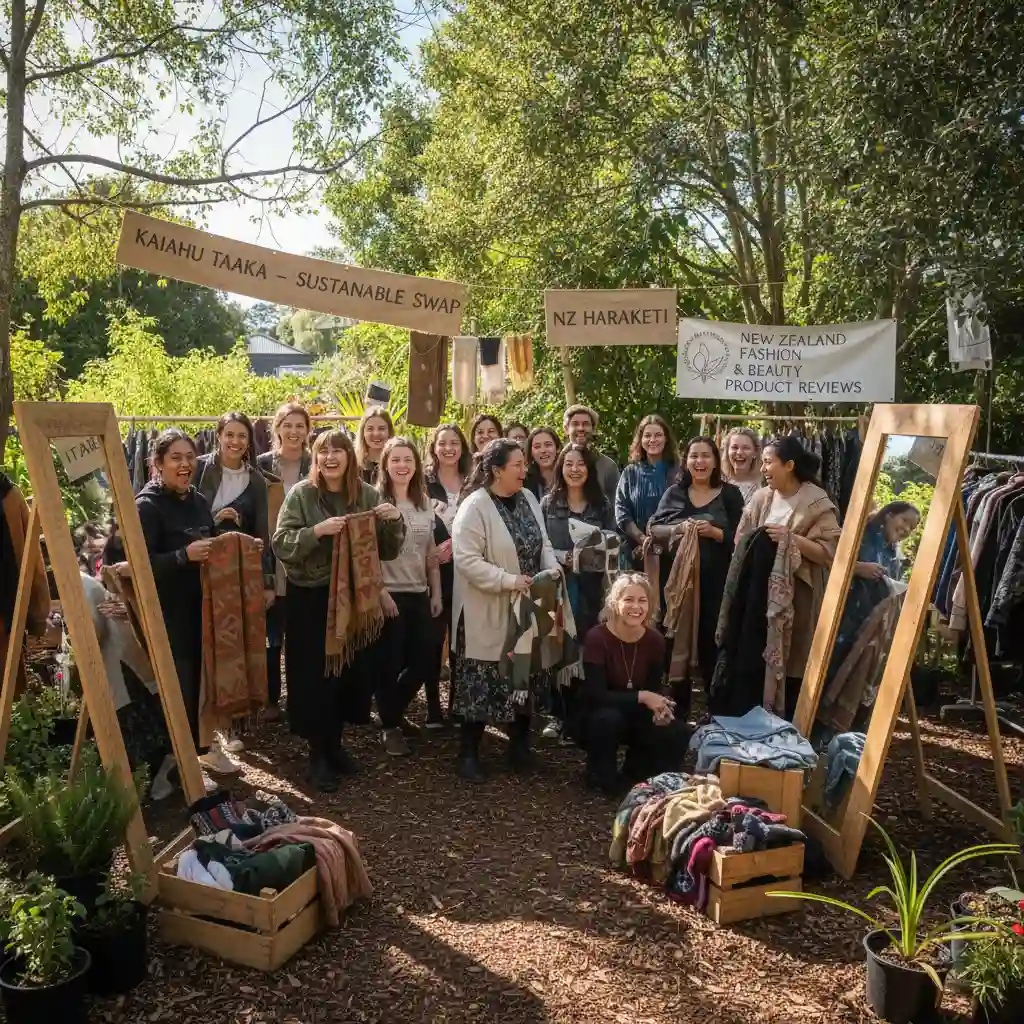
serendipityave.co.nz
What You Will Learn
Discover sustainable fashion NZ with our ultimate guide. Explore ethical brands, top op shops, rental services, and how to sell second-hand clothes for an eco-friendly wardrobe in New Zealand.
Sustainable & Circular Fashion in NZ: Your Ultimate Guide
Are you ready to transform your wardrobe without compromising your values? In New Zealand, the movement towards sustainable and circular fashion is gaining powerful momentum. From conscious consumers seeking ethical choices to innovative local brands leading the charge, there’s never been a better time to embrace a more responsible approach to how we dress. This comprehensive guide will equip you with everything you need to navigate the exciting world of sustainable fashion NZ, helping you make informed decisions that benefit both your style and the planet.
Table of Contents
- The Rise of Sustainable Fashion in NZ
- Finding the Best Op Shops in NZ
- Fashion Rental Services NZ Review
- Top Ethical NZ Fashion Brands
- How to Sell Second-Hand Clothes NZ
The Rise of Sustainable Fashion in NZ
The fashion industry is a major contributor to global pollution, waste, and unethical labor practices. However, a powerful shift is underway, and New Zealand is at the forefront of this change. Consumers are increasingly aware of their clothing’s environmental and social impact, driving demand for transparency, ethical production, and circular models.
From reducing textile waste in landfills to ensuring fair wages for garment workers, the movement for sustainable fashion NZ encompasses a broad spectrum of initiatives. It’s about moving away from fast fashion’s disposable culture towards a more thoughtful, durable, and repairable approach to clothing.
“The most sustainable garment is the one already in your closet.” – Orsola de Castro, Co-founder of Fashion Revolution. This sentiment resonates deeply with New Zealand’s growing embrace of circularity.
Stat Callout: New Zealanders throw away an estimated 220,000 tonnes of textile waste each year, with 70% of that ending up in landfills. Embracing sustainable practices is critical for our environment.
Finding the Best Op Shops in NZ
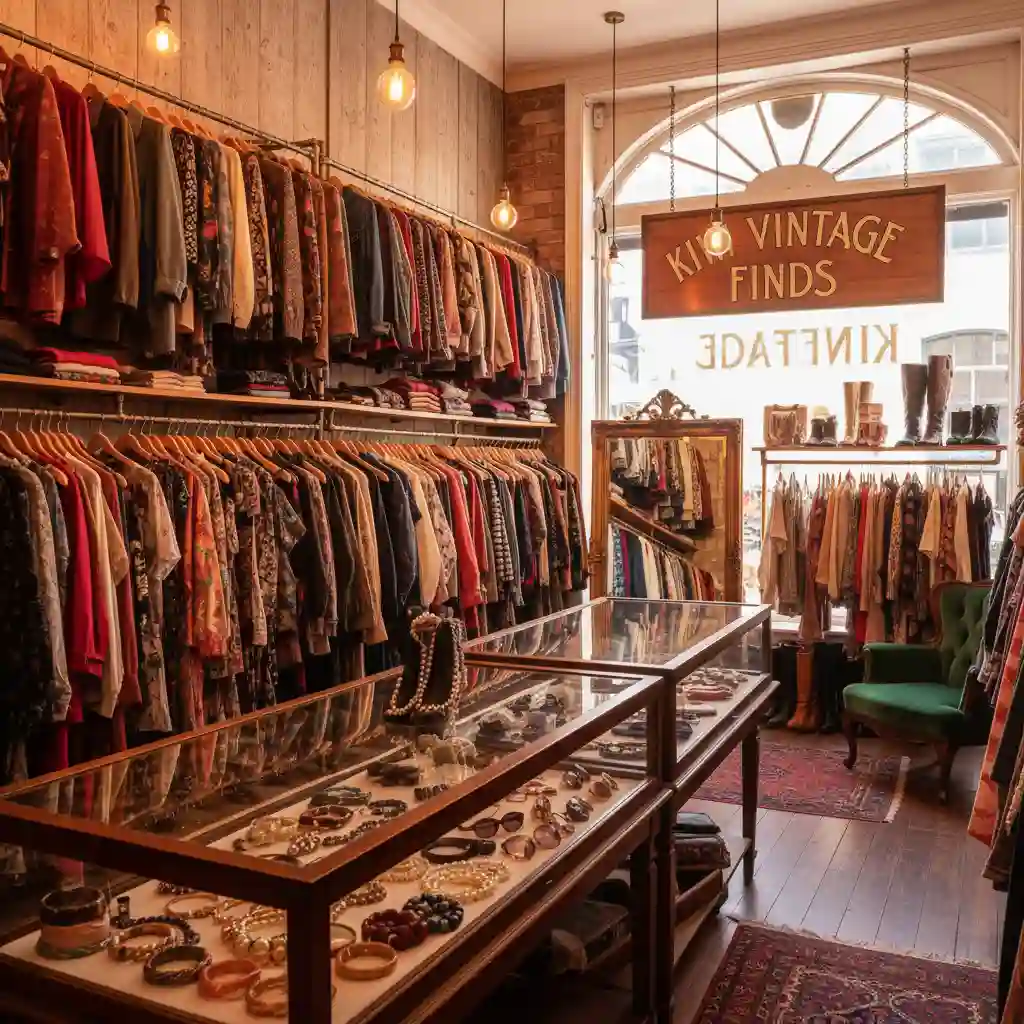
Second-hand shopping, or op shopping, is arguably the most accessible entry point into sustainable fashion. It gives garments a second life, reduces demand for new production, and often supports charitable causes. New Zealand boasts a fantastic array of charity shops and vintage stores waiting to be explored.
Tips for Successful Op Shopping:
- Go with an open mind: Don’t look for specific items; instead, let pieces find you.
- Check condition carefully: Look for stains, tears, missing buttons, or broken zips.
- Try everything on: Sizes vary wildly between brands and eras.
- Visit often: Stock changes daily, so regular visits increase your chances of a gem.
- Explore different areas: Suburban op shops can be goldmines for unique finds.
Popular chains like Salvation Army Family Stores, Red Cross Shops, and Opportunity for Animals (OP Shops) are found nationwide, offering a treasure trove of affordable clothing, accessories, and homewares. For curated vintage, explore local boutiques in city centres and trendy suburbs.
Fashion Rental Services NZ Review
Why buy when you can rent? Fashion rental services are revolutionizing how New Zealanders access high-quality, designer, or special occasion wear without the environmental cost of ownership. This model promotes a circular economy, extending the life of garments and reducing textile waste.
Many platforms offer a diverse range, from everyday wear to formal gowns, making it an excellent option for events, trying new styles, or simply reducing your fashion footprint.
Pros & Cons of Fashion Rental
Pros
- Cost-Effective: Access designer items without the hefty price tag.
- Sustainability: Reduces clothing waste and resource consumption.
- Variety: Constantly refresh your wardrobe with new styles.
- Space Saving: No need to store rarely worn items.
- Try Before You Buy: Test out trends or brands before committing.
Cons
- Availability: Desired items might be booked, especially for popular sizes/dates.
- Care: Responsibility for care during rental period (though most include cleaning).
- Attachment: Cannot permanently own a beloved item.
- Hygiene: Some may have concerns, though reputable services have strict cleaning protocols.
- Logistics: Planning ahead for delivery and returns.
Key players in the NZ fashion rental scene include Designer Wardrobe, Oh Rent Me, and various smaller, boutique rental services catering to specific styles or occasions. Each offers a unique selection and membership model, so it’s worth exploring to find one that suits your needs.
Top Ethical NZ Fashion Brands
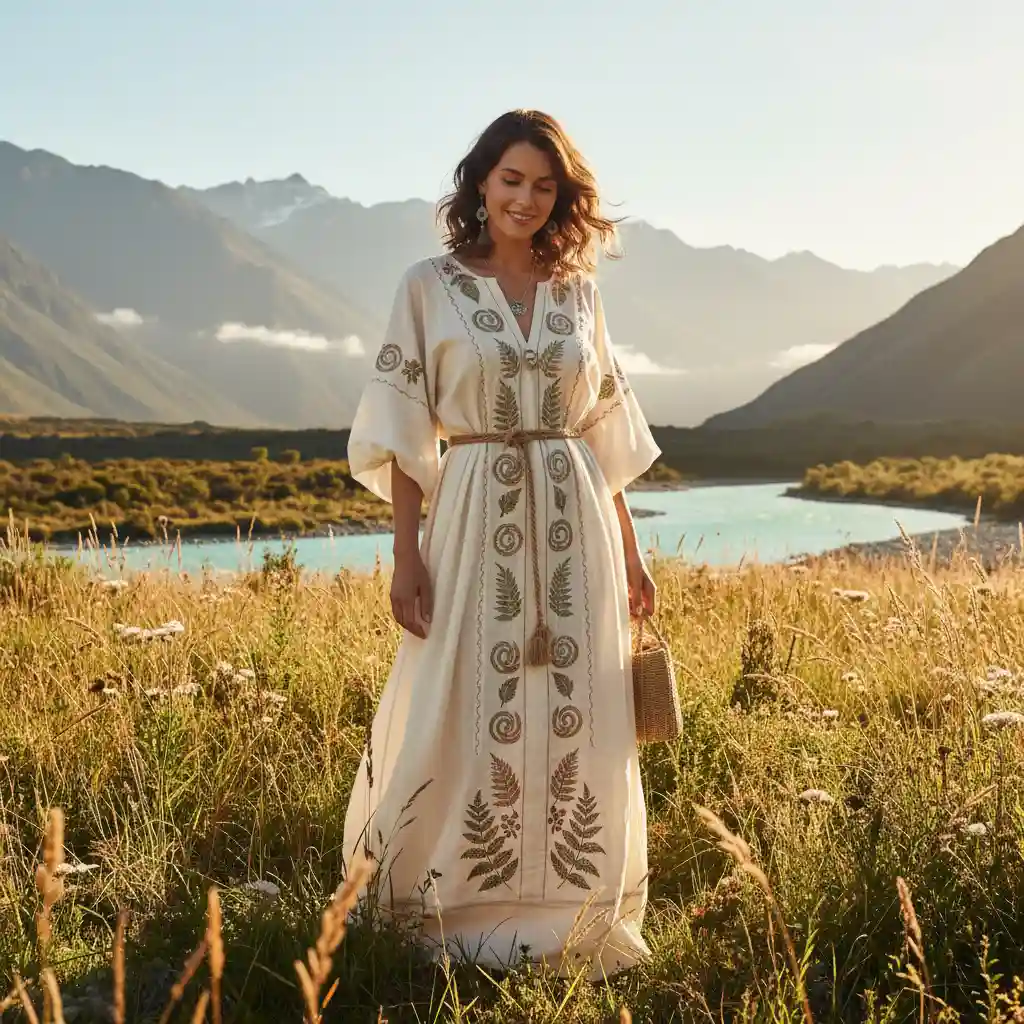
Supporting local, ethical brands is a cornerstone of building a truly sustainable wardrobe. These brands often prioritise transparency, use eco-friendly materials, ensure fair labor practices, and contribute positively to local communities. New Zealand has a burgeoning ecosystem of such brands making waves.
What to Look for in an Ethical Brand
- Material Sourcing: Look for organic cotton, linen, hemp, Tencel, recycled materials, or innovative alternatives.
- Production Transparency: Brands that openly share their supply chain and manufacturing processes.
- Fair Labour: Adherence to fair wages, safe working conditions, and no child labor.
- Waste Reduction: Initiatives like zero-waste patterns, recycling programs, or made-to-order models.
- Certifications: Recognised certifications like GOTS (Global Organic Textile Standard), Fair Trade, or B Corp.
- Longevity & Quality: Clothes designed to last, promoting less consumption.
Examples of New Zealand brands leading in ethical practices include Kowtow (renowned for organic cotton and Fair Trade production), Untouched World (sustainable merino and innovative fabrics), and ReCreate Clothing (empowering women in Cambodia through ethical production). Many smaller, local brands also offer incredible ethical options – a quick search for “ethical NZ fashion” will reveal many gems.
How to Sell Second-Hand Clothes NZ
Selling your pre-loved garments is a fantastic way to participate in the circular economy, earn some extra cash, and make space for new sustainable additions. With numerous platforms available, it’s easier than ever to pass on items you no longer wear.
Step 1: Declutter and Assess
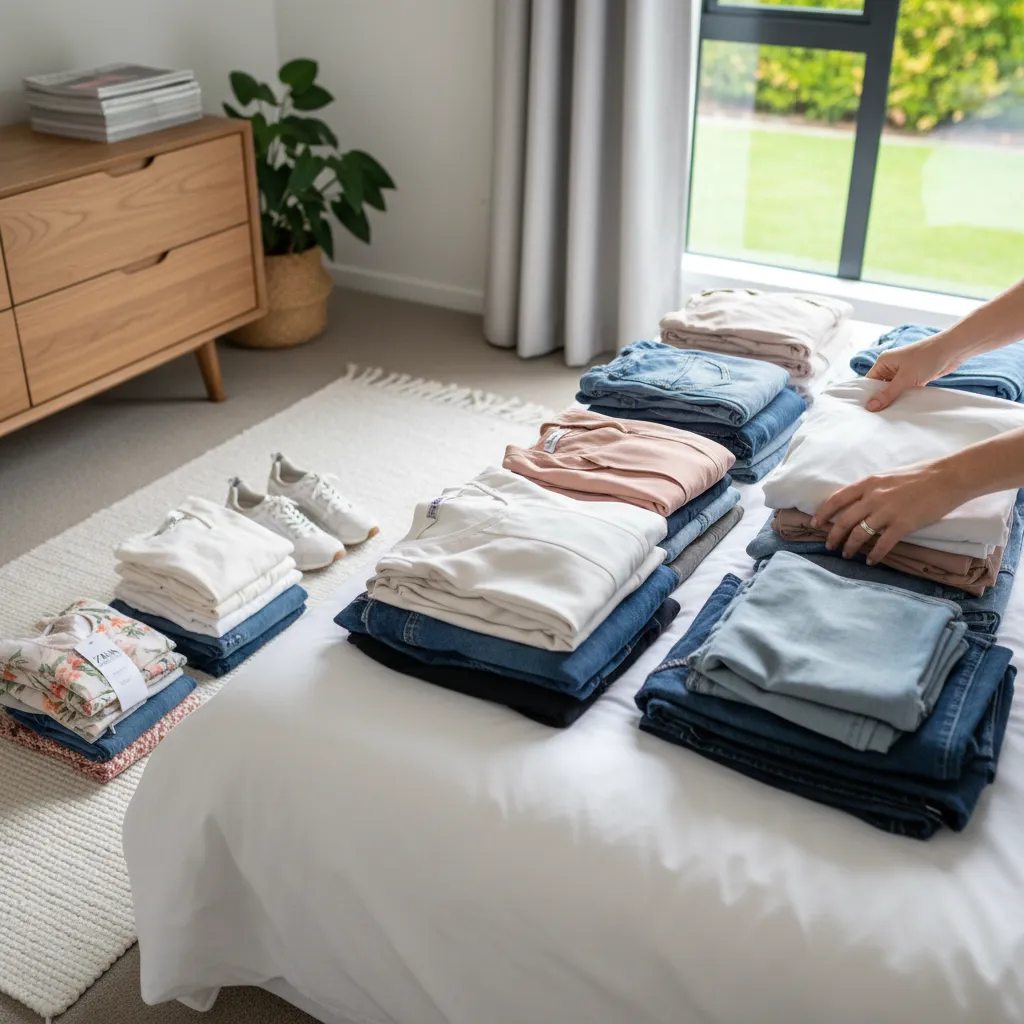
- Go through your wardrobe and pull out anything you haven’t worn in the last 6-12 months, no longer fits, or doesn’t suit your style.
- Be realistic about what will sell. High-quality items, designer brands, vintage pieces, and current trends generally do best. Items with significant wear or damage are harder to sell.
Step 2: Prepare Your Items
- Clean thoroughly: Wash, iron, or steam garments so they look their absolute best. Dry-clean items if necessary.
- Repair minor flaws: Sew on loose buttons, fix small snags, or remove lint. A little effort goes a long way.
- Take good photos: Use natural light, a clean background, and show the item from multiple angles. Include close-ups of any unique details or minor imperfections.
Step 3: Choose Your Selling Platform
- Trademe: New Zealand’s largest online marketplace, ideal for a wide range of clothing, from everyday wear to designer.
- Designer Wardrobe: Specialises in high-end and designer fashion, offering a community-focused selling experience.
- Facebook Marketplace/Groups: Great for local sales and specific fashion groups (e.g., ‘Buy Sell Swap NZ’).
- Local Consignment Stores: Many physical boutiques accept second-hand items on consignment, taking a percentage of the sale.
- Depop/Vinted (if available/popular locally): Mobile-first platforms popular with younger demographics for unique and vintage finds.
Step 4: List and Sell
- Write clear descriptions: Include brand, size, material, condition, measurements, and any unique features. Be honest about flaws.
- Set a fair price: Research similar items to price competitively. Consider the platform’s fees.
- Communicate promptly: Respond to buyer questions quickly and professionally.
- Package carefully: Ensure items are clean and well-packaged for shipping or pickup.
Frequently Asked Questions about Sustainable Fashion in NZ
What is circular fashion?
Circular fashion is an economic model that aims to eliminate waste and pollution, keep products and materials in use, and regenerate natural systems. In practice, this means designing clothes for durability, repairability, and recyclability, promoting practices like renting, repairing, swapping, and selling second-hand items to extend their lifespan.
How can I make my wardrobe more sustainable on a budget in New Zealand?
You can make your wardrobe more sustainable on a budget by prioritising second-hand shopping at op shops and vintage stores, utilising clothing swap events, learning basic repair skills, renting special occasion wear, and focusing on quality over quantity. Look for sales on ethical brands or timeless pieces that will last.
Are all ‘eco-friendly’ brands truly sustainable?
Unfortunately, not all brands marketing themselves as ‘eco-friendly’ are truly sustainable; this practice is often called ‘greenwashing.’ To identify genuinely sustainable brands, look for transparent supply chains, certifications (like GOTS or Fair Trade), use of sustainable materials, ethical labour practices, and a clear commitment to environmental and social responsibility beyond just marketing claims.
References/Sources
- Ministry for the Environment. (2022). Waste & Recycling Statistics. Retrieved from mfe.govt.nz
- Fashion Revolution. (2023). NZ Fashion Transparency Report. Retrieved from fashionrevolution.org
- Ethical Fashion Guide Aotearoa. (2023). The True Cost of Fashion. Retrieved from ethicalfashionguide.org.nz
- Sustainable Business Network. (2022). Circular Economy Initiatives in NZ. Retrieved from sustainable.org.nz